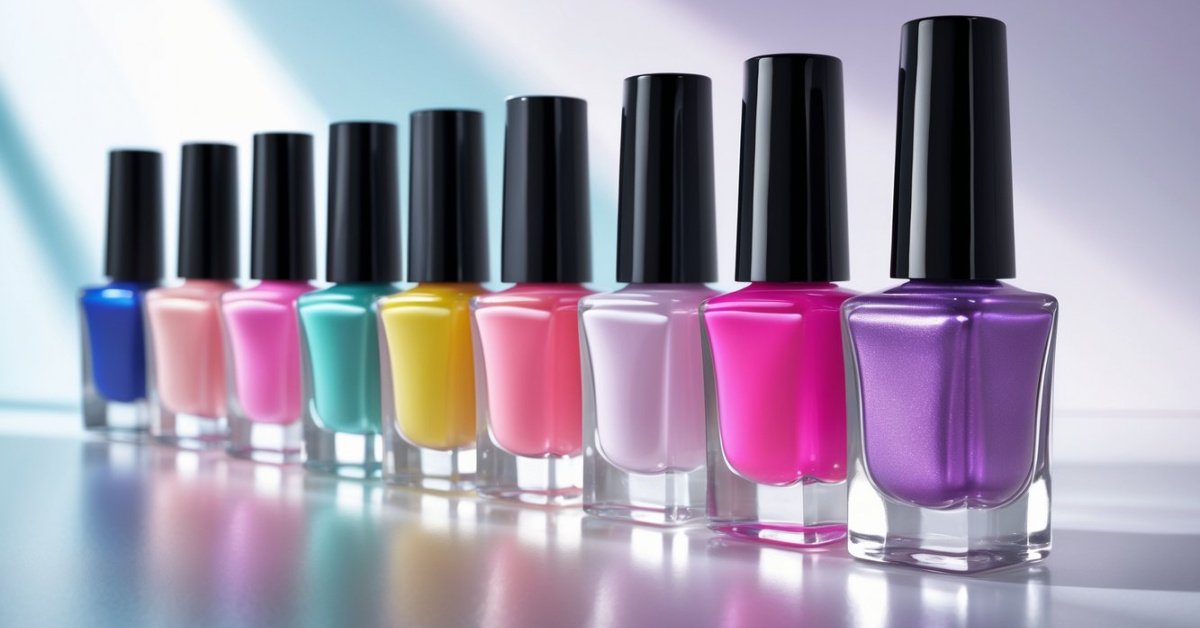
I’ve always loved expressing myself through nail art, but having sensitive skin made it tricky to find designs that didn’t cause irritation. After a lot of trial and error, I discovered some amazing nail art ideas that are not only beautiful but also gentle on sensitive skin.
Understanding Sensitive Skin and Nail Care
I’ve worked with clients who have sensitive skin for decades. Knowing how to care for your skin while enjoying nail art is key to keeping your nails both healthy and beautiful.
Common Issues with Sensitive Skin
Sensitive skin often reacts to chemicals, fragrances, and dyes in nail products. Symptoms like redness, itching, dryness, or swelling occur in many cases. Some clients experience allergic contact dermatitis, leading to uncomfortable patches around the nails and cuticles. Irritation increases if cuticles get damaged during nail prep. People with eczema or psoriasis may find these reactions worsen with certain nail applications. Recognizing these common issues helps prevent skin flare-ups and protects nail health.
How Nail Products Affect Sensitive Skin
Nail products contain ingredients that sometimes trigger reactions. Formaldehyde, toluene, and dibutyl phthalate often irritate skin and respiratory systems. Even acetone-based removers dry out skin, increasing sensitivity. Using hypoallergenic, fragrance-free, and non-toxic polishes minimizes risk. I recommend products labeled “5-free” or higher, which exclude several harsh chemicals. Applying a protective base coat creates a barrier between polish and nail bed. Regular moisturizing combats dryness caused by nail prep and polish removal. Choosing gentle, skin-friendly products keeps sensitive skin calm while letting creativity shine through nail art.
Choosing Safe Nail Art Materials
Choosing safe materials plays a crucial role in protecting sensitive skin while enjoying nail art. Selecting the right products avoids irritation and maintains nail health.
Hypoallergenic Nail Polishes and Gels
Hypoallergenic nail polishes and gels reduce the risk of allergic reactions by excluding common irritants. I always recommend brands labeled “5-free” or higher because they avoid harmful chemicals like formaldehyde, toluene, DBP, camphor, and formaldehyde resin. Using gel polishes formulated for sensitive skin limits exposure to allergens. Always patch test new products on a small skin area, especially if you have a history of reactions. Applying a protective base coat seals the nail surface, creating a barrier between polish and skin and minimizing sensitivity.
Natural and Non-Toxic Alternatives
Natural and non-toxic nail products contain fewer synthetic chemicals and fragrances, making them gentler on sensitive skin. Most brands use plant-based ingredients such as soy, water, or essential oils rather than harsh solvents and additives. I trust these alternatives in my salon because they balance health and beauty without compromising vibrant colors or long-lasting wear. Checking ingredient lists for allergens and avoiding artificial dyes ensures safety. Using natural topcoats and removers also prevents dryness and irritation around the nail beds.
Top Nail Art Ideas for Sensitive Skin
Choosing nail art that protects sensitive skin keeps nails beautiful and skin healthy. I focus on designs that use safe materials without sacrificing style.
Minimalist Designs with Skin-Friendly Products
Minimalist nail art uses fewer layers and gentle formulas, reducing irritation risk. I recommend thin coats of “5-free” polishes with no harsh chemicals. Clean lines, simple dots, or negative space highlights skin without overwhelming it. This approach lets sensitive skin breathe while still looking chic.
Soft Pastel Shades and Simple Patterns
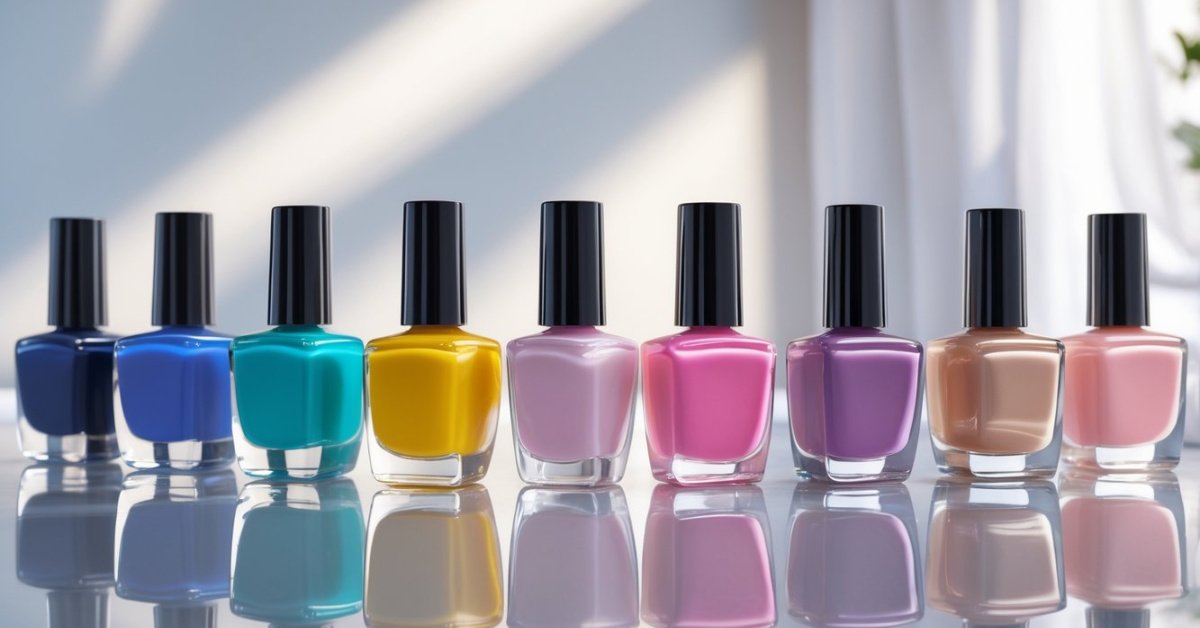
Soft pastels suit sensitive skin well. Colors like mint, lavender, and baby pink come from gentle pigments less likely to cause reactions. Simple stripes or small floral patterns keep nails elegant and low-risk. I often suggest matching pastel hues with non-toxic top coats to lock in color and protect skin.
Nail Stickers and Decals for Easy Application
Nail stickers and decals provide stylish designs without polish chemicals. Applying these requires minimal product contact with skin, lowering allergy chances. I choose hypoallergenic adhesives and natural materials for my salon clients. These options offer quick, pain-free art perfect for sensitive skin.
Breathable Nail Polish Techniques
Breathable polish formulas allow moisture and air flow, which benefits sensitive skin by preventing dryness and irritation. I apply breathable base coats and finishes to create a flexible protective layer. Using breathable polishes extends nail art wear while maintaining skin comfort.
Tips for Maintaining Healthy Nails with Sensitive Skin
Caring for sensitive skin starts well before applying nail polish. Effective preparation and cautious product choices keep nails strong and irritation-free.
Proper Nail Preparation and Aftercare
I always recommend gently cleaning nails with a mild soap and warm water to remove oils and dirt that block polish adhesion. Avoid harsh scrubbing or metal tools that damage the nail plate. Filing nails in one direction prevents splitting. Applying a breathable, hypoallergenic base coat forms a barrier between your nails and potential irritants in polish.
After removing nail polish, moisturizing cuticles and nails with a fragrance-free, nourishing oil or cream restores hydration. Regular moisturizing reduces dryness and prevents cracking, especially for sensitive skin prone to irritation. Avoid peeling off polish, which strips the nail surface and weakens the skin around it.
Avoiding Irritants and Allergens
Choosing “5-free” or higher polishes, free of toluene, formaldehyde, DBP, camphor, and formaldehyde resin, minimizes exposure to common irritants. Patch testing new products on a small skin area detects allergic reactions before full application. Steering clear of scented polishes and nail care products limits fragrance-triggered sensitivity.
Working with trusted brands offering plant-based, non-toxic formulas helps maintain nail health and beauty without compromise. If irritation occurs, stop using the product immediately and consult a dermatologist if needed. Prioritizing gentle products and mindful nail care keeps sensitive skin calm and nails looking fabulous.
Conclusion
Finding nail art that suits sensitive skin doesn’t mean you have to sacrifice style. With the right products and care, it’s totally possible to enjoy creative, beautiful nails without irritation. I’ve learned that being mindful about ingredients and choosing gentle techniques makes all the difference.
Taking small steps like patch testing and moisturizing regularly has helped me keep my nails healthy and my skin happy. If you’re dealing with sensitive skin too, don’t be afraid to experiment with these ideas—you might just discover your new favorite look that’s both stunning and safe.