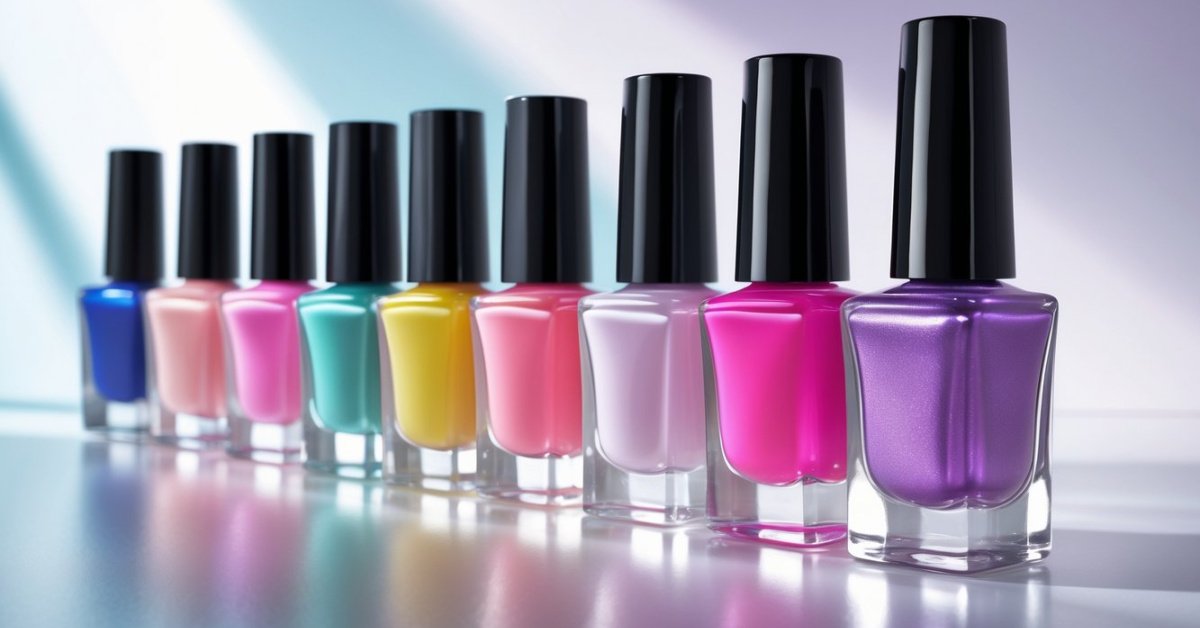
I’ve always loved experimenting with makeup, but I never really thought about how long my products last until I noticed some of them changing texture or smell. It got me wondering just how important those expiration dates are and what happens if you ignore them. Turns out, using expired makeup isn’t just a beauty no-no—it can actually cause skin issues or infections.
Understanding Makeup Expiration Dates
Knowing when makeup expires keeps nails healthy and ensures the best look. As a nail polish expert with decades in the salon business, I’ve seen how expired polish affects both appearance and skin. Here’s what you need to know.
Why Expiration Dates Matter
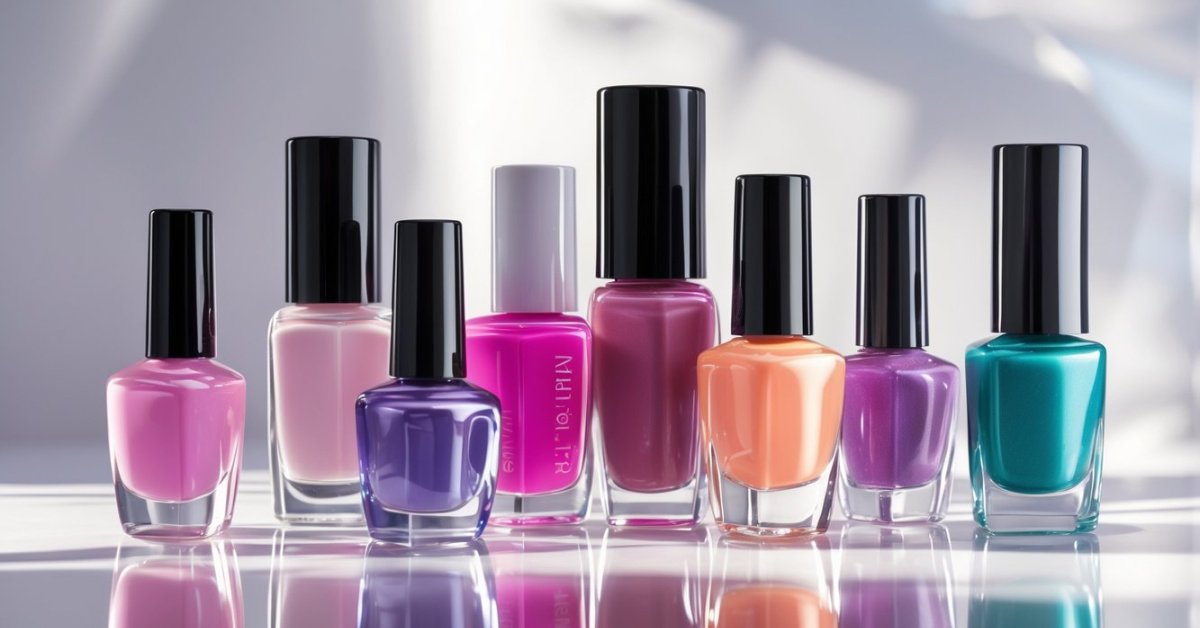
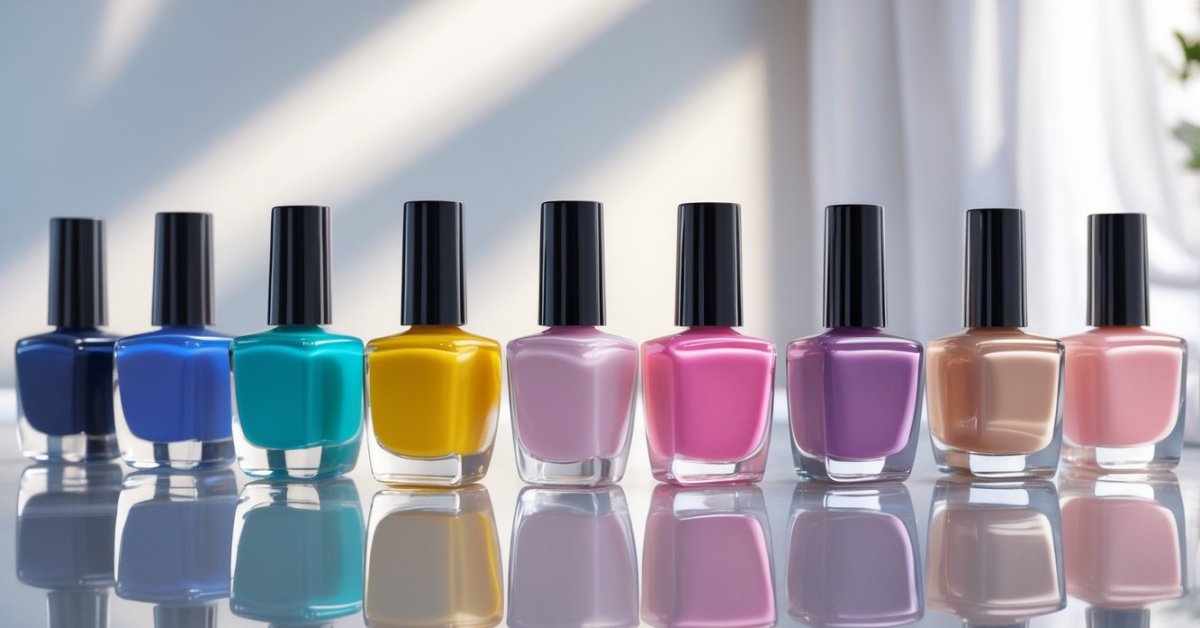
Expiration dates matter because nail polish breaks down over time. Chemicals separate, causing thickening, clumping, or a bad smell. Applying expired polish can lead to uneven color and texture, ruining the manicure. Worse, old polish harbors bacteria that lead to infections or irritations around the nails and cuticles. Keeping polish fresh protects nail health and delivers the vibrant, flawless finishes everyone wants.
How Expiration Dates Are Determined
Manufacturers determine nail polish expiration using stability tests that check formula consistency over time. They analyze changes in color, scent, thickness, and chemical composition. Typically, unopened nail polish lasts about two to three years. After opening, exposure to air speeds degradation, shortening lifespan to around 12 to 18 months. Storing polish in cool, dry places slows this process but doesn’t stop it. Reading the packaging for “period after opening” (PAO) symbols helps track usable time accurately.
Common Expiration Timeframes for Different Makeup Products
Knowing how long each makeup product lasts helps protect your skin and keeps your beauty routine fresh. I’ve worked with countless products over the years, and I’ll break down typical expiration timeframes based on my experience at the salon.
Mascara and Eyeliner
Mascara and eyeliner usually last 3 to 6 months after opening. Both share a moist formula that can quickly become a breeding ground for bacteria. Using them past this period risks eye infections or irritation. Pumping the wand or applying in layers can introduce air and microbes, so keeping these tools fresh is essential.
Foundation and Concealer
Liquid foundations and concealers last approximately 6 to 12 months. Their base of oils and water can separate or grow bacteria slightly faster than powders. If you notice changes in smell, texture, or color, it’s time to toss them. Storing these in cool, dry places extends usability but doesn’t stop natural degradation.
Lipstick and Lip Gloss
Lipsticks generally stay good for about 1 to 2 years. Lip glosses, being more liquid, last closer to 6 to 12 months. Both types contact your mouth directly, so bacteria build-up can cause lips to dry or crack, or worse, develop infections. A smooth texture and original scent indicate safety.
Powder Products (Blush, Eyeshadow, and Powder)
Powder products like blush, eyeshadow, and face powder maintain quality the longest—up to 2 years or more. Their dry nature minimizes bacterial growth, but contamination from brushes and fingers can still shorten lifespan. Watch for color changes or crumbling texture to know when to replace them.
Skincare-Infused Makeup Items
Products combining makeup with skincare ingredients last about 6 to 12 months. These formulas often include hydrating or anti-aging components, which can spoil sooner than standard makeup. Check the packaging for specific PAO (Period After Opening) symbols and observe any texture changes closely.
Using makeup within these recommended periods avoids infections and supports skin health, something I always emphasize in my salon when caring for clients’ nails and skin alike.
How to Identify Expired Makeup
Knowing how to spot expired makeup is key to keeping nails and skin healthy. Nail polish users should check products regularly to avoid using anything harmful or ineffective.
Changes in Smell, Texture, and Color
Smell shifts often signal polish expiration. Fresh nail polish has a strong, familiar scent, but if it smells off, sour, or unusually sharp, it’s time to toss it. Texture changes matter too. Thickening, clumping, or separation that doesn’t mix with shaking indicates the formula has broken down. Color shifts—from dullness to unexpected changes—also suggest the product expired or degraded.
Signs of Contamination or Bacteria Growth
Contamination appears as mold spots, bubbles, or cloudiness inside the bottle. Bacteria growth can cause the polish surface to look uneven or form lumps. Using contaminated polish risks infections, redness, or allergic reactions. Always discard polish showing these signs, even if it hasn’t reached the typical expiration timeframe.
Tips for Extending the Life of Your Makeup
Keeping your makeup fresh and safe lasts longer when you follow some simple care routines. Extending the life of your nail polish starts with how you store and apply it.
Proper Storage Techniques
Store nail polish in a cool, dark place, away from direct sunlight and heat sources. Light and heat break down the formula, causing thickening and separation faster. Always tighten the cap securely to prevent air from drying out the polish. Avoid storing bottles in humid areas like bathrooms, as moisture promotes bacterial growth and deteriorates the product. When storing multiple shades, keep them upright to prevent spills and maintain an even texture.
Best Practices for Application and Hygiene
Shake nail polish gently before each use to mix ingredients without creating bubbles. Use clean brushes only; wipe excess polish off the neck of the bottle to ensure the cap seals properly. Apply polish on clean, dry nails free of oils or lotions to increase adherence and prevent contamination. Clean your nails and hands before application to avoid trapping bacteria under polish. Avoid double-dipping brushes into the bottle to reduce germs. If available, use a sanitizer spray designed for nail tools between applications to maintain hygiene and extend polish usability.
The Risks of Using Expired Makeup
Using expired makeup, especially nail polish, carries risks that impact both health and beauty. Ignoring these risks can lead to unpleasant and harmful outcomes.
Potential Skin Reactions and Infections
Expired nail polish often harbors bacteria and fungi that thrive in thickened formulas or clumpy textures. I’ve seen clients develop redness, itching, and even infections around their nails due to contaminated polish. Broken skin or cuticles increase infection risk if old polish contains harmful microbes. Using polish past its expiration removes the protective barrier, making nail beds vulnerable to irritation and allergic reactions.
Effect on Makeup Performance and Appearance
Nail polish loses its performance qualities as it expires. I noticed older polishes thicken, separate, and dry unevenly, ruining manicures. The color fades or changes tone, creating an unpredictable finish. Streaking or prolonged drying times become common. For flawless nails, it’s essential to use polish within its lifespan, maintaining smooth application and vibrant color. Expired polish risks botching a look, no matter how skilled the technique.
Conclusion
Keeping track of makeup expiration dates might seem like a small detail, but it really makes a big difference for your skin and overall beauty routine. I’ve learned that staying mindful about when to toss products helps prevent infections and keeps your look fresh and flawless.
Taking a few simple steps like proper storage and regular checks can extend the life of your favorite items without risking your health. Trust me, your nails and skin will thank you for it!