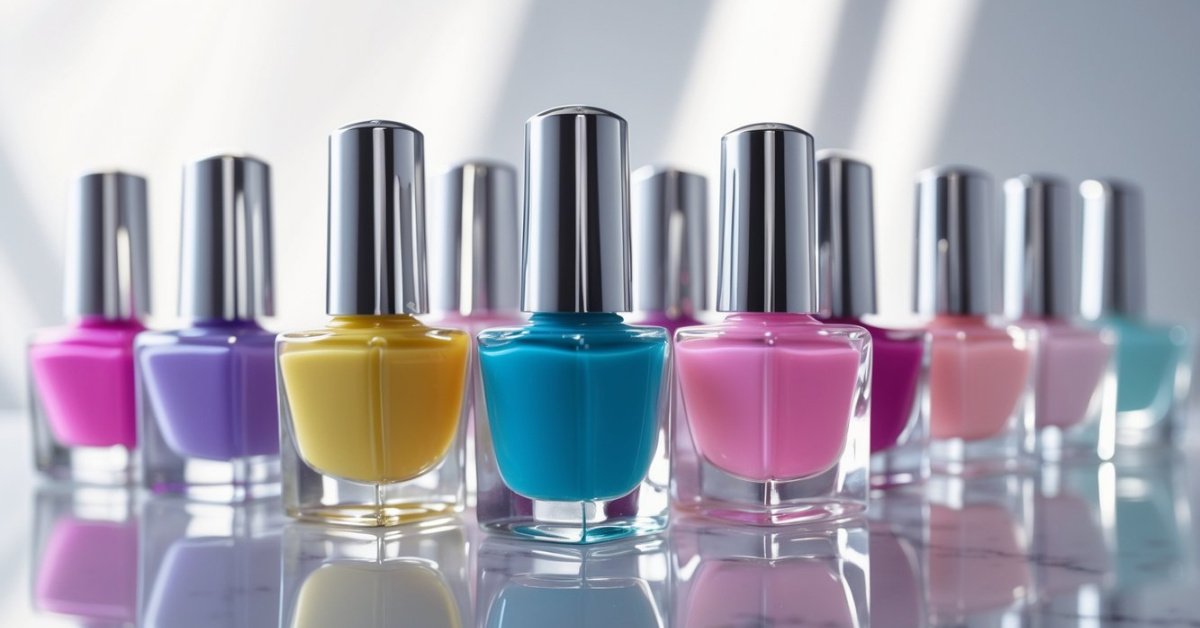
I’ve always loved the look of perfectly manicured nails, but I never thought much about how UV exposure could affect them. It turns out that those hours spent under the sun or using UV nail lamps can actually cause some serious damage to our nails. Just like our skin, nails aren’t immune to the harmful effects of UV rays.
Over time, UV exposure can weaken nails, making them brittle and prone to breaking. I’ve learned that taking a few simple steps can protect my nails without sacrificing style. If you want to keep your nails healthy and strong while still enjoying your favorite nail treatments or sunny days, I’m excited to share some easy tips that really work.
Understanding UV Exposure and Nail Damage
As someone who’s owned a nail salon for decades, I’ve seen how UV exposure affects nails firsthand. Knowing how UV rays impact nail health helps you protect your nails while keeping your favorite polish looks fresh.
How UV Rays Affect Your Nails
UV rays cause changes in your nail tissue. The rays penetrate the nail plate, breaking down keratin proteins and causing the nails to dry out. This breakdown leads to thinning, brittleness, and a higher chance of splitting or cracking. Nails exposed to frequent UV light, like during gel or shellac manicures, experience cumulative damage over time. My experience shows that without proper protection, nails lose their natural strength and shine.
Common Types of Nail Damage from UV Exposure
Nail damage from UV exposure takes several forms:
- Brittleness: Nails become fragile and snap easily.
- Discoloration: A yellow or chalky appearance develops under or on the nail plate.
- Peeling and Splitting: Layers of the nail separate, causing uneven surfaces.
- Thinning: The nail plate loses thickness, reducing its protective function.
- Delayed Growth: UV exposure slows down healthy nail regeneration.
These issues often become evident in clients who skip UV protection during nail treatments or spend lots of time in the sun without shielding their nails. Preventing UV damage keeps nails strong enough for stunning polish applications and long-lasting looks.
Effective Strategies to Prevent Nail Damage
Protecting nails from UV damage enhances both their health and polish longevity. I’ve found these tactics keep nails strong and beautiful even with frequent exposure.
Using Sunscreens Specifically for Nails
Applying sunscreens designed for nails blocks harmful UV rays that break down keratin. I recommend clear formulas with SPF 30 or higher to avoid discoloring polish. These products form a lightweight barrier without sticky residue, preserving your manicure’s shine and preventing brittleness.
Wearing Protective Gloves
Wearing thin, breathable gloves during outdoor activities shields nails from direct UV exposure. I advise gloves made of materials like cotton or nylon for comfortable, all-day wear. This simple accessory stops ultraviolet rays from weakening the nail plate and cutting down on split or peeling nails.
Limiting Exposure During Peak Sun Hours
Avoiding UV exposure between 10 a.m. and 4 p.m. reduces cumulative damage since sunlight is strongest then. I suggest planning manicures and outdoor time outside these hours to protect nail health without sacrificing fashion and fun. If staying out during peak hours, combine sunscreens and gloves for maximum protection.
Best Nail Care Practices for UV Protection
Protecting nails from UV damage starts with smart daily habits and the right products. Years owning a nail salon have shown me which practices keep nails strong and polished without sacrificing style.
Choosing UV-Resistant Nail Polishes
I always recommend UV-resistant nail polishes for anyone who loves gel manicures or spends time in the sun. These polishes contain ingredients that absorb or block UV rays, preventing nail discoloration and weakening. Look for polishes labeled with UV protection or those specially formulated for gel types. Applying a UV-blocking topcoat adds another layer of defense without dulling shine. Using these products cuts down on the UV damage that breaks down keratin, so nails stay sturdy and vibrant longer.
Maintaining Nail Health with Proper Hydration and Nutrition
Healthy nails need the right fuel from the inside out. I encourage a diet rich in biotin, vitamins A, C, and E, plus omega-3 fatty acids—found in foods like eggs, spinach, nuts, and salmon. Drinking plenty of water ensures nails stay hydrated, reducing brittleness and peeling. Nail strength depends heavily on consistent hydration and balanced nutrition, so making these a habit supports growth and resilience, especially when protecting against harmful UV effects.
Regular Nail Moisturizing and Conditioning
Moisturizing nails and cuticles daily keeps the protective barrier intact. I suggest using conditioners rich in natural oils like jojoba or almond oil that absorb well without leaving residue. Applying a nourishing nail oil before bed seals in moisture and repairs UV-related dryness and cracking. Regular conditioning prevents the surface from becoming rough or split, which UV light can worsen. This step boosts overall nail health, making your nails ready to shine through any manicure or outdoor sunshine.
Additional Tips for Safe UV Exposure
Protecting nails from UV damage goes beyond sunscreen and timing. I’ve learned over decades that smart habits during manicures and quick damage detection keep nails strong and gorgeous.
Using UV Lamps Safely During Manicures
I always tell clients to minimize UV lamp exposure by limiting curing times to what’s necessary. Opt for LED lamps when possible; they cure polish faster and emit less UV radiation. Wearing a broad-spectrum sunscreen on hands or applying a nail-specific UV-blocking base coat creates an extra shield. I also recommend using fingerless gloves with UV protection during gel manicures—these keep skin safe without interfering with the polish curing. Scheduling gel manicures less frequently helps nails recover between treatments, reducing cumulative harm.
Recognizing Early Signs of Nail Damage
I emphasize watching for early signals like increased brittleness, peeling layers, yellow discoloration, or grooves forming on the nail surface. If nails feel thinner or grow slower, that’s a warning too. Noticing these signs early allows me to adjust care routines by adding more hydration, cutting back on gel polish, or increasing UV protection efforts. Promptly addressing damage prevents worsening and ensures nails stay resilient and stunning for the long haul.
Conclusion
Taking care of your nails against UV damage doesn’t have to be complicated. With a few simple habits and the right products, you can keep your nails strong and healthy without giving up your favorite manicures or time in the sun.
I’ve found that staying mindful of UV exposure and listening to what your nails need makes all the difference. Protecting your nails is just another way to show them some love and keep them looking their best for the long haul.