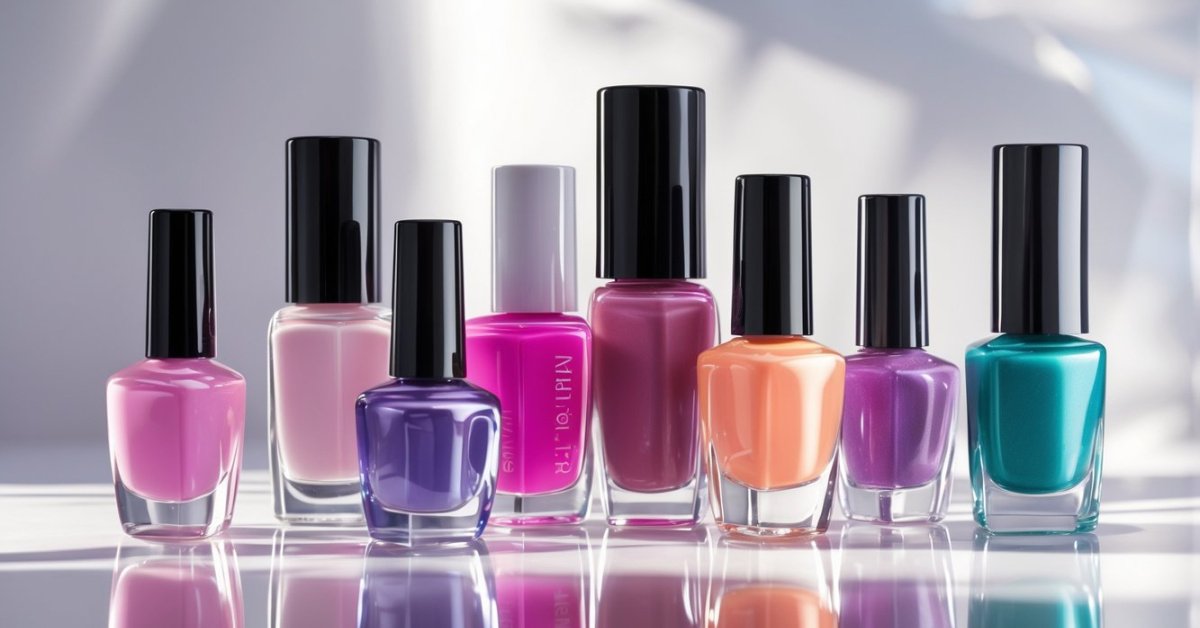
I’ve always loved giving myself a manicure at home, but I quickly learned that protecting my hands during the process is just as important as the polish itself. Whether I’m soaking in nail polish remover or working with harsh chemicals, my skin needs a little extra care. That’s where manicure gloves come in handy—they shield your hands while still letting you get the job done.
Why Choose Manicure Gloves for Protection
I’ve seen firsthand how manicure gloves protect hands during nail care. They offer a simple way to guard skin from harsh chemicals without sacrificing style.
Benefits of Using Manicure Gloves
Gloves shield your skin from acetone and other solvents that dry and irritate. They keep cuticles hydrated by preventing direct contact with nail polish remover. Manicure gloves also reduce the risk of allergic reactions and dermatitis caused by prolonged exposure to chemicals. Durable materials like nitrile or latex provide a snug fit that allows precise movements essential for nail polish application. Many gloves come in fashionable colors or textures, so protecting your hands doesn’t mean losing your personal flair. Wearing gloves speeds up recovery from previous skin damage too by avoiding repeated exposure.
Common Risks Without Proper Protection
Exposing hands to nail polish remover and chemicals repeatedly leads to dry, cracked skin, making nails more prone to splitting and breakage. Contact dermatitis, characterized by redness and itching, is common among those who skip gloves. Over time, chemicals can weaken the skin’s natural barrier, increasing sensitivity and infection risk. Without protection, nails themselves become brittle and dull, defeating the main purpose of maintaining healthy, beautiful hands. For anyone serious about nail polish and hand care, skipping gloves invites preventable damage that costs time and comfort.
Key Features to Look for in the Best Manicure Gloves
Choosing the right manicure gloves proves vital for protecting your hands without sacrificing precision or comfort. Based on decades working with countless clients, I recognize three main features that nail enthusiasts must prioritize for optimal hand care during manicures.
Material and Durability
I always recommend gloves made from nitrile or high-quality latex. Nitrile resists wear better than vinyl or cheaper alternatives, providing reliable protection against harsh chemicals and solvents in nail products. Latex offers excellent flexibility and sensitivity but can cause allergies in some users. Both materials last through multiple uses if cared for properly. Avoid gloves that tear easily or feel flimsy, since durability ensures sustained protection and value.
Fit and Comfort
A snug but comfortable fit remains essential for flawless nail work. Gloves should hug each finger closely, allowing precise control over brushes and tools. I look for gloves with a soft interior and stretchable fabric so they move with your hands, preventing cramping during longer sessions. Sizes vary widely, so always choose gloves that suit your hand dimensions to avoid slipping or digging into your skin.
Waterproof and Chemical Resistance
Effective manicure gloves must block moisture and chemical exposure completely. Waterproof gloves prevent polish remover, solvents, and lotions from seeping through to your skin, safeguarding hydration and preventing irritation. Chemical resistance protects against substances like acetone, which can severely dry or damage unprotected hands. When gloves offer both waterproofing and chemical resistance, they shield your skin while keeping your manicure precise and comfortable.
Selecting gloves with these features ensures your hands stay healthy and beautiful while you enjoy fashion-forward nail polish techniques.
Top Picks for the Best Manicure Gloves for Protection
Protecting your hands during nail care is essential. Choosing gloves that fit well, resist chemicals, and suit your skin type makes a huge difference. Here are my top recommendations based on years running a nail salon.
Premium Gloves for Professional Use
I trust nitrile gloves from brands like SemperGuard and Microflex. They offer exceptional chemical resistance against acetone and solvents while fitting snugly to let me work precisely. These gloves last through multiple manicures without tearing. Their powder-free, latex-free designs reduce allergic reactions for clients with sensitivities. For professionals, investing in these brands guarantees protection, durability, and comfort in busy salon environments.
Budget-Friendly Options for Home Use
For home use, I recommend Mr. Clean or Magic Guard nitrile gloves. They provide solid protection from polish remover and keep hands dry without the premium price tag. While slightly less durable than salon-grade gloves, they’re excellent for occasional manicures. Their flexible fit allows for detailed nail work, making them perfect for beauty enthusiasts experimenting with new nail designs at home.
Specialized Gloves for Sensitive Skin
Sensitive skin demands extra care. I suggest hypoallergenic gloves made from natural rubber latex alternatives or silicone liners beneath reusable gloves. Brands like Gloveline hypoallergenic gloves minimize irritation and prevent dermatitis during manicures. If you have allergies or frequent dryness, these gloves maintain skin hydration and shield your cuticles from harsh chemicals, helping your hands stay healthy and beautiful even with regular polish changes.
How to Properly Use and Care for Manicure Gloves
Using the right manicure gloves protects your hands effectively, but using and caring for them correctly keeps that protection strong and your gloves lasting longer. I’ll share my expert tips on how to wear and care for manicure gloves to maintain healthy, beautiful hands during your nail polish routine.
Tips for Wearing Gloves Effectively
Start by choosing gloves that fit snugly without squeezing. Snug gloves give you better control and precision when applying polish or handling nail tools. Always put gloves on with clean, dry hands to prevent trapping moisture that can irritate skin inside the gloves. If you expect to work with harsh chemicals or acetone, consider double-gloving to increase protection.
Avoid pulling gloves by the fingertips; instead, slide them on gently from the wrist, preserving the material’s integrity. Replace gloves if they develop holes or tears, which compromise protection. Limit wearing gloves for extended hours; prolonged use may cause sweat buildup, so remove them occasionally to let your skin breathe and stay comfortable.
Cleaning and Maintenance Guidelines
After using manicure gloves, wash reusable types with mild soap and lukewarm water to remove polish residues and chemicals. Avoid harsh detergents or hot water, which can degrade glove material. Rinse thoroughly and air-dry gloves completely before storing to prevent bacteria growth.
Store gloves in a cool, dry place away from direct sunlight to avoid material breakdown. For disposable gloves, discard them after one use to maintain hygiene and maximum protection. Regularly inspect gloves for wear and tear before each use to ensure full effectiveness. Following these care steps keeps your manicure gloves in prime condition, supporting hand health and flawless nail work every time.
Conclusion
Protecting my hands during a manicure has made a huge difference in how healthy and comfortable they feel. The right gloves not only shield my skin from harsh chemicals but also keep my nails looking their best.
Choosing gloves that fit well and are made from durable materials has become a non-negotiable part of my nail care routine. It’s a simple step that saves me from dryness, irritation, and other avoidable issues.
If you love doing your nails at home like I do, investing in good manicure gloves is definitely worth it. Your hands will thank you every time you slip them on.