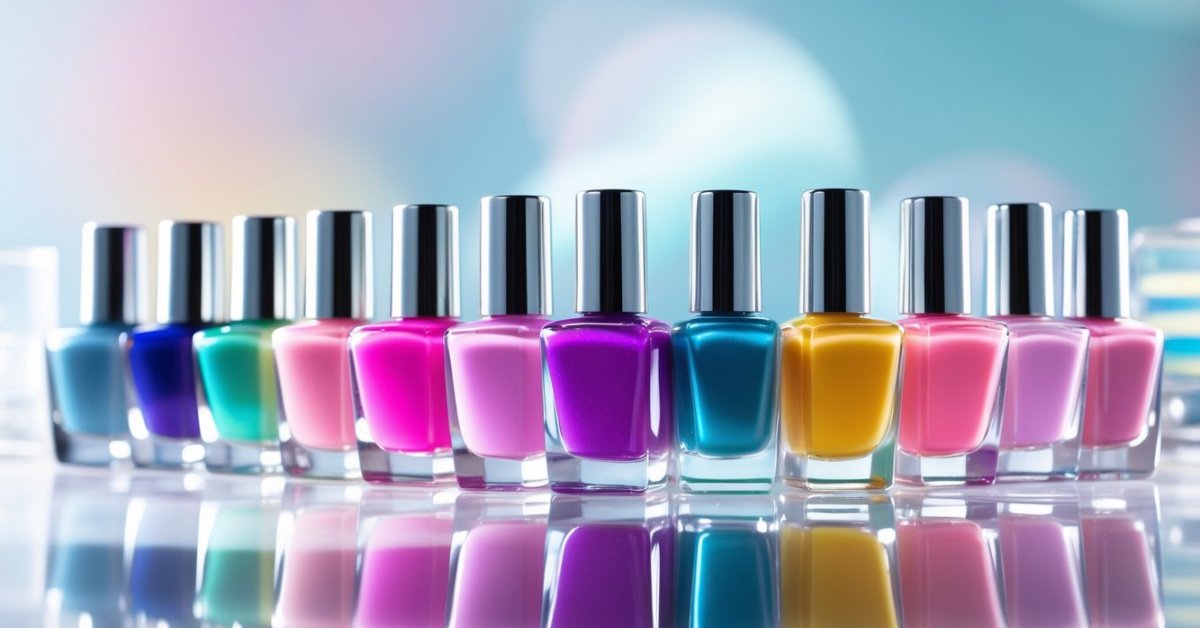
Getting a great manicure at home can feel a bit overwhelming when you’re just starting out. I remember feeling unsure about which tools I really needed and which ones were just extra clutter. Over time, I discovered a few essentials that made the whole process easier and more enjoyable.
In this article, I’ll share the best manicure tools for beginners that helped me build confidence and get salon-quality results without the hassle. Whether you want to keep your nails healthy or add a little polish flair, these tools are perfect for anyone new to nail care.
Essential Manicure Tools for Beginners
Mastering a manicure starts with having the right tools. As a nail polish expert who’s owned a salon for decades, I see how the right equipment simplifies the process and protects nail health. Here are the essentials every beginner needs for a polished, professional look.
Nail Clippers and Scissors
Precise nail clippers offer clean cuts and help avoid splitting. I recommend stainless steel clippers with a sharp, curved blade that follows the nail’s natural shape. Scissors with fine, pointed tips serve well for trimming hangnails or delicate corners. Always disinfect these tools before use to prevent infections.
Nail Files and Buffers
Choosing the right nail file shapes your nails without causing damage. I suggest a medium-grit emery board for beginners, which smooths edges gently. Avoid metal files or overly coarse ones as they can weaken nails. Buffers add shine and even the nail surface. Use a four-step buffer block—starting rough and ending smooth—for that salon finish while protecting nail integrity.
Cuticle Pushers and Trimmers
Cuticle pushers prepare the nail plate for polish application by gently moving cuticles back. I prefer stainless steel pushers with a rounded edge to avoid cutting the skin. For those tempted to trim cuticles, use trimmers sparingly—only for removing loose hangnails, never live skin. Keeping cuticles healthy prevents infections and promotes stronger nail growth.
Choosing the Right Tools for Your Needs
Picking the right manicure tools shapes your entire nail care routine. I focus on tools that balance quality, comfort, and cost to suit beginners aiming for salon-worthy nails.
Material and Durability
I always recommend stainless steel tools for their strength and hygiene. Clippers and cuticle pushers made from stainless steel last years without rusting or dulling. Emery boards with high-quality sandpaper avoid quick wear and tear, preserving their grittiness. Durable materials not only perform better but protect your nails from damage.
Ease of Use and Comfort
I look for tools with ergonomic handles and smooth edges. Nail scissors and clippers should fit your hand comfortably to provide control and prevent slips. Buffers and files with a moderate grip feel make shaping nails easier. Comfortable tools reduce hand fatigue, which stands out for beginners practicing steady, precise movements.
Budget Considerations
I suggest investing in a few quality essentials rather than buying many cheap tools. A reliable stainless steel clipper and a sturdy emery board cost under $20 but provide superior results and longevity. While budget tools may tempt, they can hinder progress and nail health. Spending wisely means tools serve you well through many manicures.
Tips for Maintaining and Using Manicure Tools
Keeping manicure tools in top shape ensures every nail polish application looks flawless while protecting nail health. I’ve learned over decades in the nail salon business that maintaining your tools properly keeps your manicure routine smooth, safe, and satisfying.
Cleaning and Sanitizing
Clean tools prevent infections and polish contamination. I clean stainless steel tools like cuticle pushers and clippers with warm, soapy water after each use. Rinsing thoroughly removes residues that dull the metal or harbor bacteria. Then, I wipe them with isopropyl alcohol or a professional sanitizer to kill germs. For wooden or emery board tools, discard them after a few uses since they can’t be sanitized properly. Regular cleaning keeps tools hygienic and extends their lifespan.
Proper Storage
Storing tools properly avoids damage and maintains sharpness. I keep metal tools in a dry, ventilated case, usually lined with a soft cloth to prevent scratches and rust. Nail files and buffers go into separate compartments to avoid airflow blocking and moisture buildup. Avoid storing tools in humid places like bathrooms whenever possible; moisture encourages rust and bacteria growth that affect both the tools and your nails.
Safe Techniques for Best Results
Using tools the right way delivers polished results without harming your nails or skin. I always push cuticles gently with the appropriate tool, never forcing or cutting unless professionally trained. Using a medium-grit emery board in one direction shapes nails cleanly without splitting or peeling. Buffers should be used lightly to avoid thinning the nail plate. Nail clippers work best when positioned correctly to follow the nail’s natural curve, preventing ragged edges. Precise, careful use of tools protects nail health and enhances every manicure’s appearance.
Recommended Manicure Tool Kits for Beginners
I recommend manicure tool kits that combine durability, ease of use, and essential items. These kits include stainless steel nail clippers, cuticle pushers, and four-step buffer blocks, providing a solid foundation for beginners. Choosing kits with ergonomic handles helps maintain control and comfort during use.
Kits such as the Tweezerman Grooming Set and Beetles Stainless Steel Manicure Set offer precise tools designed for beginners who want professional results. These sets include nail clippers, scissors, tweezers, cuticle pushers, and nail files with medium grit, ideal for shaping nails safely.
Buying kits with replaceable emery boards and buffers extends tool lifespan, ensuring hygiene and consistent polish application. The inclusion of a compact storage case keeps tools dry and organized, reducing the risk of damage.
I avoid kits with low-quality plastic tools that dull quickly or lack proper sanitation options. Instead, focusing on stainless steel options with smooth finishes supports nail health by preventing cuts and infections during use.
Selecting a kit with these features supports beginners in mastering manicure basics, achieving polished results while prioritizing nail health and tool longevity.
Conclusion
Getting started with manicures doesn’t have to feel overwhelming. With the right tools and a bit of practice, you can easily create a polished look that feels professional and keeps your nails healthy.
I’ve found that investing in quality essentials and caring for them properly makes all the difference. It’s not about having every tool out there but choosing the ones that work best for you and your routine.
Remember, patience and gentle handling go a long way. Once you find your favorites, doing your own manicure becomes a relaxing and rewarding experience you’ll look forward to.