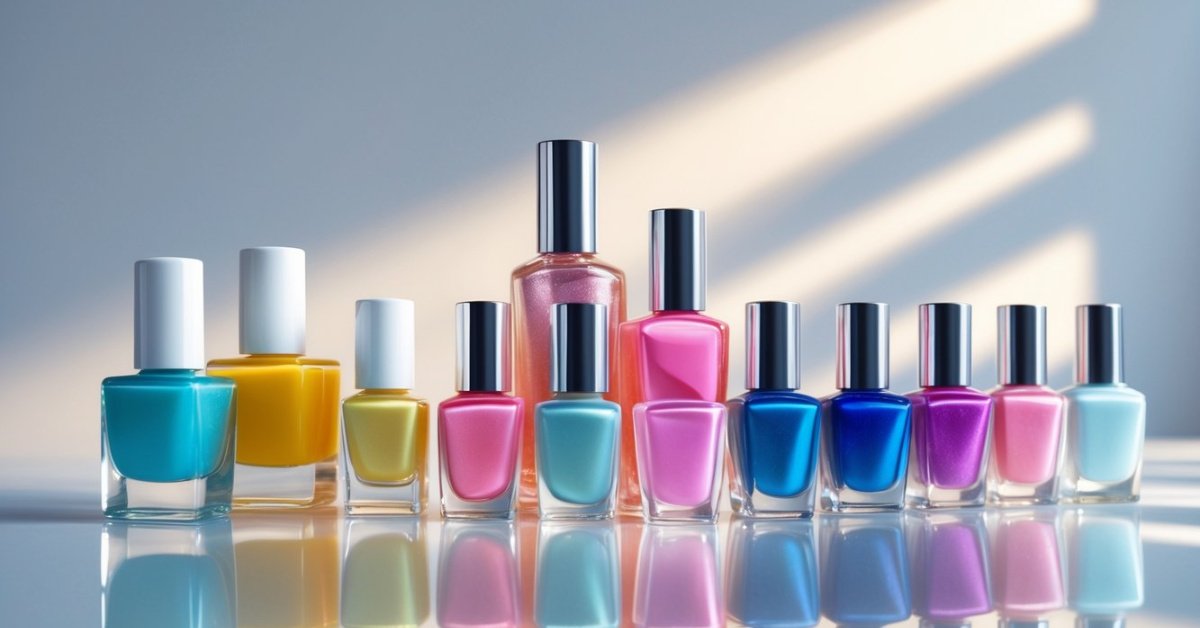
Dealing with seasonal allergies can be a challenge on its own, but when it starts affecting your nails, things get even trickier. I’ve noticed that during allergy season my nails become dry, brittle, and sometimes even peel. It’s frustrating because I want to keep them healthy and looking good, but the usual nail care routines don’t always cut it.
If you’re like me and find your nails suffering when allergies hit, you’re not alone. Allergies can cause inflammation and dryness that impact more than just your skin and sinuses. Luckily, with a few simple tweaks, you can protect your nails and keep them strong throughout the seasons. Let’s explore some easy tips that work well for anyone dealing with seasonal allergies.
Understanding Seasonal Allergies and Their Impact on Nail Health
Seasonal allergies don’t just affect your nose or eyes—they can take a toll on your nails too. As a nail salon owner for decades, I’ve seen how allergies influence nail health and how nail polish routines need tweaks during allergy seasons.
Common Allergens That Affect Nail Condition
Pollen, mold spores, and dust mites rank among the top allergens that cause issues beyond typical symptoms. Pollen from trees, grasses, and weeds can trigger immune responses that dry out your skin and nails. Mold thrives in damp places, often worsening the dryness and brittleness around your nail beds. Dust mites, usually found in household fabrics, irritate the skin under your nails and slow down healthy nail growth. These allergens often lead to excessive scratching or rubbing, causing nail trauma and peeling.
How Allergies Can Weaken Nails
Inflammation caused by allergies disrupts your body’s ability to retain moisture, making nails brittle and prone to breaking. Allergic reactions also reduce blood flow to nail follicles, slowing growth and weakening nails. Constant use of antihistamines, which many take during allergy season, can indirectly cause nail dehydration. The result? Chipping nail polish, lifting, and nails that feel rough or split easily. Recognizing these effects allows for smarter nail care choices—like choosing moisturizing polishes or avoiding harsh acetone removers during allergy season.
Essential Nail Care Tips for People with Seasonal Allergies
I’ve seen how seasonal allergies can make nail care tricky. Keeping nails healthy during allergy season requires smart choices and adjustments. Here’s my expert advice to help you protect and beautify your nails while managing allergy symptoms.
Choosing Hypoallergenic Nail Products
I recommend selecting nail polishes and removers labeled hypoallergenic or free of common irritants like formaldehyde, toluene, and dibutyl phthalate. These ingredients irritate sensitive skin and dry out nails, especially during allergy season. Water-based formulas provide a gentle alternative, maintaining polish durability without harsh chemicals. If you react to standard removers, look for acetone-free versions enriched with nourishing oils.
Proper Nail Hygiene Practices
I always stress clean, gentle nail care. Keep nails trimmed and avoid aggressive filing or cutting, which weakens them when allergies cause brittleness. Wash hands with mild, fragrance-free soaps to prevent further dryness and irritation. After washing, dry nails completely to avoid mold or bacterial growth, which can worsen inflammation. Changing nail polish regularly—every 7 to 10 days—prevents buildup that traps allergens under the polish.
Moisturizing and Protecting Cuticles
Healthy cuticles act as a barrier against irritants. I advise daily application of rich cuticle oils or creams containing vitamin E, jojoba, or almond oil to lock moisture in. Massage oil into cuticles and nails to improve circulation and flexibility. Avoid cutting cuticles, which exposes nails to infection and damage. Wearing gloves when outdoors or doing housework shields nails and cuticles from pollen, dust, and harsh detergents that aggravate allergy effects.
Managing Allergic Reactions Affecting Your Nails
Seasonal allergies often show up in unexpected ways, including on your nails. Understanding these reactions helps protect your nails while still enjoying your favorite nail polish looks.
Identifying Signs of Nail-Related Allergic Reactions
I always advise my clients to watch for redness, swelling, or itching around the nail beds after applying nail polish. Peeling or brittle nails that worsen despite regular care usually signal an allergic response. If the skin near your nails gets flaky or forms small blisters, it indicates irritation from allergens or harsh nail products. Discoloration beneath the nail or changes in nail thickness also deserve a closer look, especially during high pollen seasons.
When to Seek Professional Help
If your nails show persistent pain, severe swelling, or signs of infection like pus, seeing a dermatologist becomes essential. I’ve noticed clients don’t hesitate to get expert advice when daily nail care routines no longer bring relief. Allergic reactions that worsen with nail polish or manicures require prompt professional intervention to avoid lasting damage. A healthcare provider can recommend appropriate treatments or patch testing to identify specific allergens in your nail products.
Natural Remedies and Preventative Measures
Protecting nails during allergy season requires careful choices. Using natural remedies and making simple lifestyle changes keeps nails strong and beautiful even when allergens attack.
Allergy-Friendly Ingredients for Nail Care
Choosing nail products with gentle, allergy-friendly ingredients prevents irritation and dryness. I recommend formulas free from toluene, formaldehyde, and DBP—common irritants that worsen nail damage during allergy season. Look for polishes labeled “3-free” or higher for safer options. Water-based polishes calm sensitive nails and won’t strip moisture like acetone-based removers. Natural oils such as jojoba, almond, and vitamin E strengthen nails and soothe cuticles. Applying these oils daily locks in hydration and forms a protective barrier against allergens. Ingredients like shea butter and aloe vera help reduce inflammation around nail beds, promoting healing and comfort.
Lifestyle Changes to Support Nail Health During Allergy Season
Maintaining nail health goes beyond products. I prioritize keeping nails trimmed to reduce breakage caused by dryness and scratching during allergies. Wearing breathable gloves while cleaning or gardening blocks exposure to irritants like pollen and mold. Washing hands with mild, moisturizing soaps prevents over-drying that exacerbates brittle nails. Staying hydrated by drinking plenty of water keeps nails and skin supple. Finally, balancing my diet with proteins, biotin-rich foods like eggs and nuts, and omega-3 fatty acids supports faster, healthier nail growth when seasonal allergies try to slow it down.
Conclusion
Taking care of your nails during allergy season doesn’t have to be overwhelming. With a few mindful changes and gentle habits, you can keep your nails strong and healthy even when allergies try to take a toll.
Remember to listen to your body and give your nails the extra love they need. It’s all about finding what works best for you and sticking with it through the seasons. Your nails will thank you!