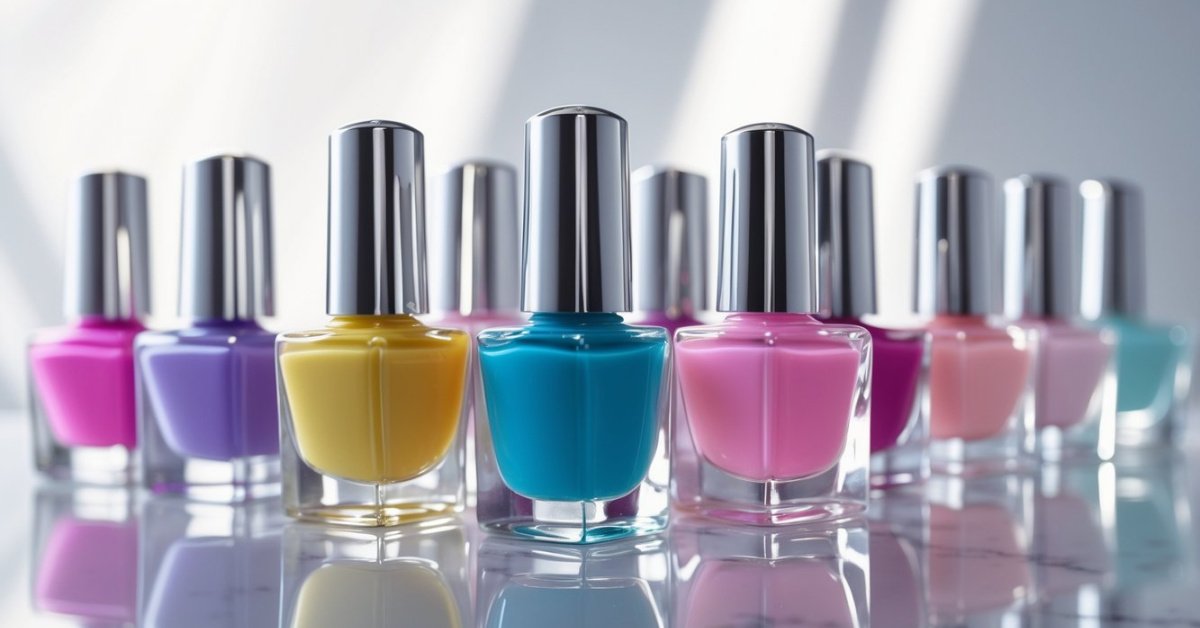
I’ve always loved having perfectly polished nails, but I quickly learned that keeping them looking great means more than just picking the right color. Nail bonds have become my secret weapon for stronger nails and longer-lasting manicures. They help protect your nails and make your polish stick better, which is a total game-changer.
If you’ve ever struggled with chipped polish or weak nails, nail bonds might be just what you need. Applying them isn’t complicated, but getting it right can make all the difference. I’m excited to share some easy steps to help you master the process and keep your nails looking flawless for days.
Understanding Nail Bonds
Nail bonds play a crucial role in keeping nails strong and manicures flawless. I’ve used them for years in my salon to enhance nail durability and polish wear.
What Are Nail Bonds?
Nail bonds are adhesive solutions that create a strong connection between the natural nail and polish or enhancements like gels and acrylics. They act as a base layer, improving adhesion and preventing lifting or chipping. Typically, nail bonds contain cyanoacrylate or similar bonding agents that set quickly, ensuring nails stay intact longer.
Benefits of Using Nail Bonds
Using nail bonds strengthens nails by sealing the surface, which prevents peeling and breaks. They extend the life of manicures by promoting better polish retention, saving time and money on frequent touch-ups. Nail bonds also protect nail health by minimizing damage caused by regular polish removal and environmental exposure. In my experience, clients notice smoother, more resilient nails after consistent bond application.
Preparing Your Nails for Application
Proper preparation lays the foundation for nail bonds to work effectively. I focus on cleaning and shaping nails and removing old polish and oils to ensure lasting adhesion.
Cleaning and Shaping Nails
I always start by trimming nails to the desired length using sharp nail clippers. Then, I shape nails with a fine-grit file, smoothing edges and creating an even surface. Buffing the nail plate gently removes ridges and creates a texture that helps bonds hold better.
I recommend avoiding aggressive filing, which thins nails and weakens them. Instead, use gentle strokes in one direction to preserve nail health. I also clean under nails with a soft brush to remove debris and prevent bacteria buildup.
Removing Old Polish and Oils
I use an acetone-based remover on cotton balls to fully strip old polish, gels, or residue. Only clean nails can bond solutions perform well. After removing polish, I wash hands with a mild soap and dry thoroughly to eliminate oils and moisture.
I avoid lotions or creams before bonding since they leave residues that interfere with adhesion. If needed, I swipe nails with a lint-free pad soaked in rubbing alcohol or nail bond prep solution to remove any remaining oils.
These steps ensure nails are dry, clean, and shaped to create the ideal surface for applying nail bonds and enjoy strong, long-lasting manicures.
Step-by-Step Guide on How to Apply Nail Bonds
Mastering nail bonds starts with a precise approach. Each step supports stronger, longer-lasting nails that shine with health and beauty.
Choosing the Right Nail Bond Product
Selecting the right bond product shapes the manicure’s success. I recommend choosing a nail bond formulated for your nail type—whether natural, gel, or acrylic. Products with formaldehyde-free formulas reduce damage risk. Look for brands that emphasize hydration and flexibility to maintain nail health. For example, nail bond solutions from brands like Orly, OPI, or CND offer reliable adhesion and conditioning benefits.
Applying the Nail Bond Primer
Preparing the nail surface with a bond primer ensures optimal adhesion. After thorough cleaning and buffing, apply a thin coat of primer to each nail. Avoid excess to prevent sticky residue. Use a swipe motion from cuticle to free edge, letting it air-dry for about 30 seconds. This step chemically preps the nail plate, boosting polish or extension grip and minimizing lifting.
Bonding the Nail Extensions or Tips
Securing extensions or tips demands careful alignment and pressure. Place the nail tip onto the natural nail at the correct angle, pressing firmly but gently to avoid gaps. Apply a small bead of nail bond adhesive at the junction. Hold in place for 10 to 15 seconds until the bond sets. For gel extensions, brush bonding gel over the contact area, making sure to cover fully for an even seal. Properly bonded tips resist lifting and provide a sturdy base for polish.
Curing and Sealing the Bond
Curing locks the bond and protects nail integrity. For gel bonds, cure under a LED or UV lamp according to product instructions, usually 30 to 60 seconds. For adhesive bonds, allow complete air-drying without touching. Finish by applying a high-quality topcoat that seals the entire nail surface and edges. This step shields the bond from moisture and wear, extending manicure life and preserving nails’ strength and shine.
Tips for Long-Lasting Nail Bond Application
Keeping nail bonds strong and your manicure flawless starts with attention to detail during application and care. I rely on proven methods to make bond wear last longer and nails stay healthy.
Avoiding Common Mistakes
Skipping nail prep often ruins bond strength. Always clean nails thoroughly, removing oils with acetone before bonding. Applying nail bond on wet or oily nails results in poor adhesion and faster chipping. Using too much product causes lumps, while too little weakens the hold. I apply thin, even layers for the best results. Curing nails under a UV or LED lamp for the recommended time is essential—under-curing leads to lifting. Avoid touching nails immediately after application; this can introduce debris, weakening the bond. Also, don’t neglect to seal the free edge with topcoat—it protects against peeling.
Proper Aftercare for Nail Bonds
Protecting nail bonds starts after application. I advise clients to wear gloves when doing chores involving water and chemicals to prevent lifting. Regularly moisturizing cuticles with oil keeps nails flexible and reduces breakage. Avoid using nails as tools; this stresses the bond and the natural nail. If lifting occurs, gently buff the area and reapply bond rather than peeling it off to prevent damage. Scheduling gentle fills every two to three weeks maintains strength and prevents lifting. With consistent aftercare, nail bonds stay intact much longer, keeping manicures looking polished and healthy.
Conclusion
Taking the time to apply nail bonds properly has made a huge difference in how my nails look and last. It’s not just about the polish—it’s about building a strong foundation that keeps everything in place longer.
With the right prep, application, and aftercare, you can enjoy nails that stay flawless and healthy. Trust me, once you get the hang of it, nail bonds become an essential part of your routine. Your nails will thank you!