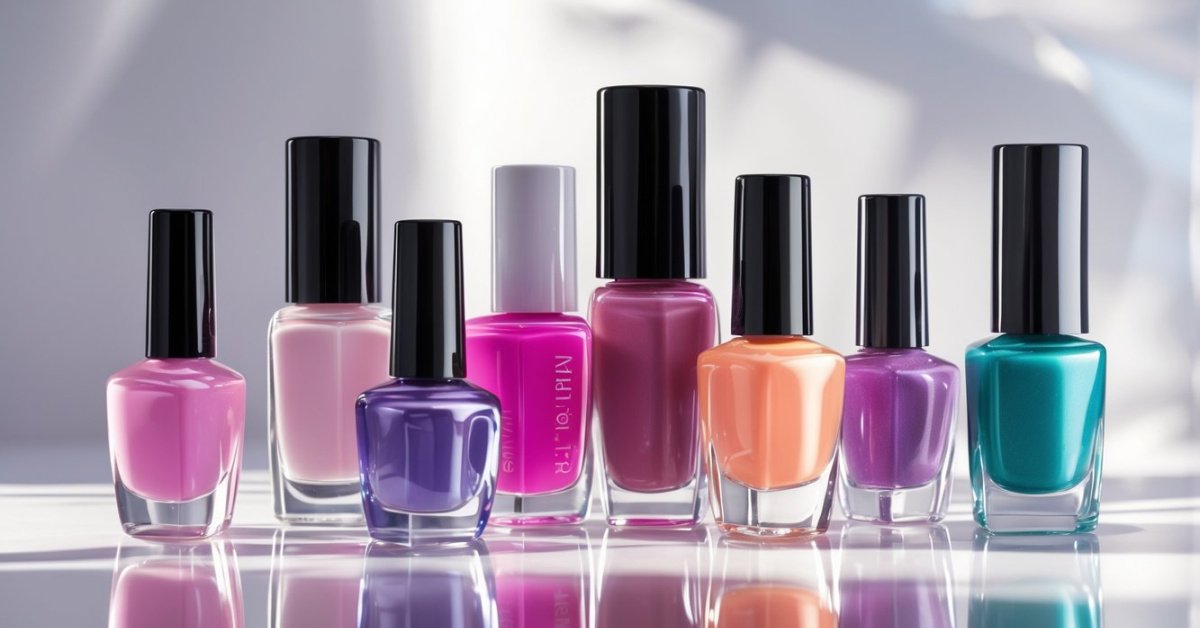
Pregnancy brings so many changes and questions, especially when it comes to self-care. One thing I’ve found myself wondering about is nail care. It’s a small part of my routine but feels important for feeling put together and pampered.
I quickly realized not all nail products and treatments are safe during pregnancy. That made me want to dig deeper into what’s okay to use and what’s best to avoid. If you’re like me and want to keep your nails healthy without risking anything, this guide will help you navigate nail care safely while expecting.
Understanding Nail Care During Pregnancy
Nail care takes on new importance during pregnancy because your body experiences significant changes. As a nail polish expert with decades of salon experience, I’ve seen how these changes affect nails and how safe practices preserve both beauty and health.
Common Nail Changes in Pregnancy
Pregnancy often brings noticeable changes in nails, including:
- Increased growth rate, sometimes up to 25% faster
- Softening or brittleness causing easy breakage
- Ridging and texture changes on the nail surface
- Darkening of the nail bed or cuticles, due to hormonal shifts
- Occasional separation of the nail plate from the bed (onycholysis)
These changes result from hormonal fluctuations and increased blood circulation. Nail polish application requires extra care if nails become fragile or sensitive during pregnancy.
Importance of Safe Nail Practices
Safe nail care means selecting products free from harmful chemicals like formaldehyde, toluene, and dibutyl phthalate (DBP). Using breathable, non-toxic nail polishes minimizes exposure to toxins for both mother and baby. Proper ventilation in salons reduces inhaling fumes that can irritate sensitive respiratory systems.
Avoiding harsh treatments such as acrylics and gel nails lessens risks associated with strong adhesives and UV light exposure. Gentle filing instead of abrasive buffing preserves nail health. Regular moisturizing protects the cuticles and skin around nails from dryness linked to pregnancy hormones.
Maintaining clean tools and sanitizing equipment prevents infections, which can be more harmful during pregnancy. Prioritizing these safe practices keeps nails beautiful while supporting overall wellness.
Safe Nail Care Tips for Pregnant Women
Pregnancy calls for extra care when it comes to nail polish and treatments. I’ve spent decades in the nail salon business, and I know how to keep nails healthy and beautiful without risking mom or baby’s safety.
Choosing Pregnancy-Safe Nail Products
Start by selecting nail polishes labeled “3-free” or “5-free.” These formulas avoid harmful chemicals like formaldehyde, toluene, and DBP. Opt for brands that explicitly market pregnancy-safe options. I recommend water-based polishes as well—they minimize exposure to toxins while still delivering vibrant color. Always check the ingredients list, and if it includes harsh chemicals, it’s best to skip that polish during pregnancy.
Best Practices for Manicures and Pedicures
Always make sure nail salons maintain strict hygiene standards. Clean, sterilized tools prevent infections, which can be more concerning during pregnancy. Choose well-ventilated spaces to reduce inhaling fumes. Limit acrylic or gel nail enhancements that use strong chemicals or UV lamps, and ask for simpler designs that rely on safer polish options. Keep nails trimmed short to avoid accidental cuts, and moisturize cuticles with pregnancy-safe oils to keep them supple.
Natural Alternatives to Chemical Nail Treatments
If you prefer avoiding chemicals altogether, natural nail care offers beautiful options. Applying coconut oil, shea butter, or almond oil on nails and cuticles keeps them hydrated and strong. Try buffing nails instead of polishing for a shiny, natural look. Some brands offer plant-based polishes free from synthetic solvents and colorants—these work great if you want to stay closer to nature while still flaunting colorful nails.
Potential Risks of Unsafe Nail Care
Nail care during pregnancy demands extra caution because certain products and practices can pose risks to both mother and baby. I’ve seen many clients unaware of these dangers, so it’s important to highlight what to avoid and why.
Harmful Chemicals to Avoid
Products containing formaldehyde, toluene, and dibutyl phthalate (DBP) carry significant risks. Formaldehyde acts as a strong irritant and potential carcinogen. Toluene affects the nervous system, causing dizziness or headaches with repeated exposure. DBP, often found in nail polish plasticizers, can disrupt hormones. Pregnant women have heightened sensitivity, so using “3-free” or “5-free” nail polishes—formulations free of these toxins—reduces chemical exposure considerably.
Avoid acrylic nails and gel enhancements too. They often require harsh chemicals like methyl methacrylate and acetone removers, which emit strong fumes. These substances can irritate the skin and respiratory system, increasing the chance of adverse reactions during pregnancy.
Infection Risks and Prevention
Sharing unsterilized tools or visiting salons lacking proper hygiene greatly raises infection risks. Fungal infections, paronychia (skin infections around the nail), and even bacterial infections can develop, posing health hazards during pregnancy when the immune system is altered.
I recommend booking salons with strict sanitation protocols. Ensure professionals disinfect all instruments, use single-use files, and maintain a clean environment. Proper ventilation is essential too, as breathing in fumes from nail products intensifies discomfort or allergic responses.
Keeping nails trimmed and clean at home also lowers infection chances. If any redness, swelling, or pain appears around nails after treatments, seek medical attention promptly. Prevention and vigilance ensure nail care supports health without introducing avoidable risks.
When to Consult a Healthcare Professional
Knowing when to reach out to a healthcare professional ensures both your safety and your baby’s well-being. I recommend paying close attention to any unusual changes around your nails or skin during pregnancy.
Signs of Nail or Skin Issues During Pregnancy
Watch for redness, swelling, or persistent pain near your nails. If you notice any pus, unusual discharge, or an infection that worsens despite home care, don’t hesitate to seek medical advice. Changes like severe discoloration, drastic nail separation, or painful ridging could signal underlying concerns needing evaluation. Also, any rash or skin irritation around your hands and feet that doesn’t improve with gentle care should prompt a professional consultation.
Guidance on Professional Nail Services
Always inform your nail technician about your pregnancy so they can tailor treatments accordingly. If you experience reactions like itching or burning during a manicure or pedicure, stop immediately and consult your doctor. Opt for salons with strict hygiene standards and well-ventilated spaces to reduce exposure to fumes from polishes or adhesives. Avoid aggressive treatments such as acrylics or gels unless cleared by your healthcare provider. Remember, collaboration between you, your healthcare professional, and your nail technician ensures safe and beautiful nail care throughout pregnancy.
Conclusion
Taking care of your nails during pregnancy doesn’t have to be complicated or risky. With a little attention to the products you use and the techniques you choose, you can keep your nails healthy and beautiful throughout this special time.
Listening to your body and staying informed about safe practices makes all the difference. Remember, a bit of extra care now helps protect both you and your little one. Enjoy this time and treat yourself gently—you deserve it!