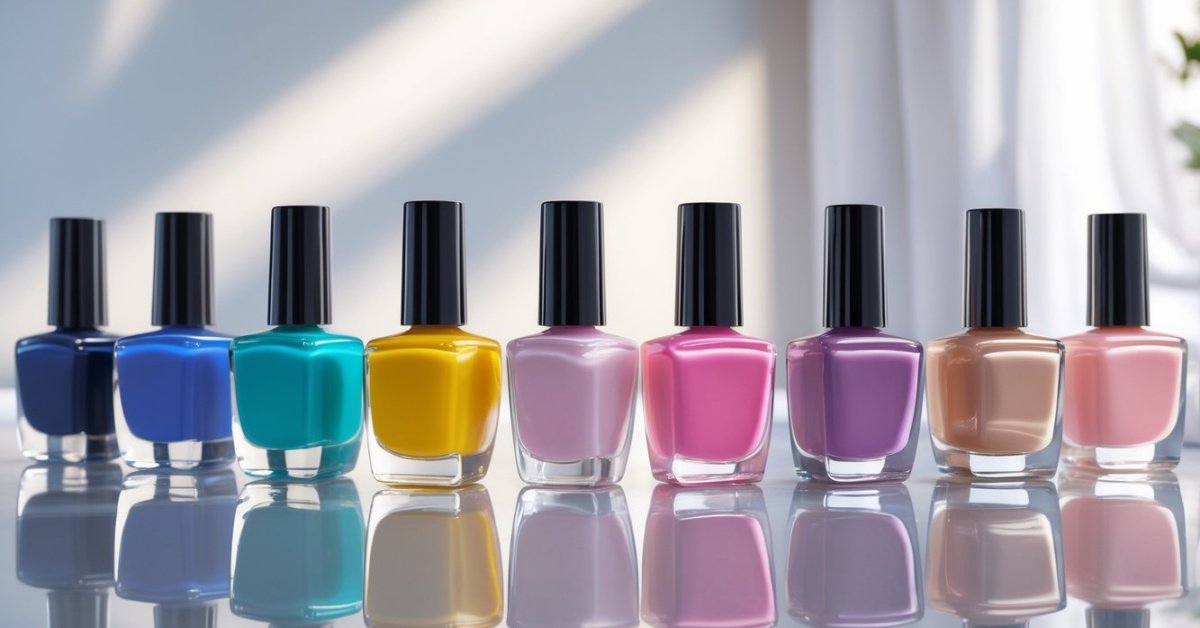
I’ve always been curious about why my nails sometimes feel like they’re ready to snap at the slightest touch. Brittle nails are more common than you might think and can be a real nuisance. Understanding what causes them can help us take better care of our nails and maybe even prevent those annoying breaks.
It turns out that brittle nails aren’t just about dry skin or bad luck. There’s actually a lot of science behind why our nails become weak and fragile. From the way our bodies produce nail cells to the impact of our daily habits, many factors play a role. I’m excited to dive into the science behind brittle nails and share what I’ve learned about keeping nails strong and healthy.
Understanding Brittle Nails
As someone who’s spent decades in the nail care world, I know brittle nails can really put a damper on your style and confidence. Let’s break down what brittle nails really are and how to spot them early.
What Are Brittle Nails?
Brittle nails are nails that crack, split, or peel easily. They’re usually thin and lack the flexible strength to handle everyday activities. The science behind this fragility lies in the nail’s structure—a protein called keratin. When keratin dries out or is damaged, nails lose moisture and resiliency. Overexposure to water, harsh chemicals, and sometimes using nail polish without proper care can worsen this effect. Brittle nails aren’t just cosmetic; they reveal how well your nails retain moisture and respond to external stressors.
Common Symptoms and Signs
Recognizing brittle nails shows up in a few clear ways:
- Splitting layers: Nails peel in thin sheets rather than breaking cleanly.
- Cracking tips: Tips of the nails break easily during normal tasks, such as typing or opening containers.
- Rough, uneven surface: Nails lose their smooth sheen and develop ridges or dents.
- Excessive dryness: Nails feel crunchy or dry, not supple.
- Slow growth: Brittle nails may grow more slowly or appear shorter due to constant breakage.
Knowing these signs helps pick the right nail products and routines to protect your nails, especially when you love experimenting with nail polish.
Causes of Brittle Nails
Understanding brittle nails starts with knowing what causes them. As a nail polish expert who’s worked in salons for decades, I see these causes daily. They influence how nails react to polish and treatments.
Nutritional Deficiencies
Lack of essential nutrients weakens nails. Deficiencies in biotin, iron, zinc, and vitamins A, C, and E reduce keratin production. Keratin forms the core strength of nails. Without enough nutrients, nails become thin, split, and peel. For example, low iron causes spoon-shaped nails, while a biotin gap leads to rapid breakage, hindering smooth polish application.
Environmental Factors
Repeated exposure to water, detergents, and harsh chemicals dries nails and strips natural oils. Cold, dry air also depletes moisture. These conditions cause nails to become brittle and fragile. Frequent use of acetone nail polish removers intensifies dryness and damage. Wearing gloves during chores protects nails from these stressors, keeping them smoother under polish.
Underlying Health Conditions
Certain health issues impact nail integrity. Thyroid disorders, psoriasis, and fungal infections alter nail growth and texture. For instance, hypothyroidism causes slow-growing, weak nails. Fungal infections produce discoloration and thickening. Nail salon clients often overlook this link, which delays effective treatment and nail recovery under polish. Identifying health conditions prompts targeted care to restore nail strength.
| Cause | Effect on Nails | Example |
|---|---|---|
| Nutritional Deficiencies | Reduced keratin, thin, splitting nails | Biotin deficiency leads to breakage |
| Environmental Factors | Dryness, moisture loss, increased fragility | Frequent acetone use damages nails |
| Underlying Health Conditions | Altered growth, texture, discoloration | Hypothyroidism causes slow growth |
Knowing these causes helps me choose nail products and routines that protect nails while enhancing beauty.
The Biology of Nail Structure
Understanding nail structure is key to keeping nails strong and beautiful. My years owning a nail salon showed me that healthy nails start from their biology and how that biology reacts to products like nail polish.
Composition and Growth of Nails
Nails consist mostly of keratin, a tough protein that forms laminated layers. Each nail grows from the matrix, hidden under the cuticle, where new keratin cells produce continuously. Growth averages about 3 millimeters per month for fingernails. Blood vessels under the nail bed supply nutrients, fueling cell production and keeping nails resilient. A well-hydrated matrix creates smooth, flexible nails that resist cracking and splitting.
How Nails Become Brittle
Nails become brittle when these keratin layers dry out, separate, or lose flexibility. Too much exposure to water, harsh detergents, and frequent polish changes without proper care strips natural oils and moisture. Nutritional gaps in biotin, iron, or vitamins reduce keratin production, weakening the nail’s core makeup. Health issues, like thyroid dysfunction or fungal infections, alter nail growth and texture, leading to fragility. Understanding these biological factors helps me recommend nail polishes and treatments that protect while enhancing natural nail strength.
Effective Prevention and Care
Keeping nails strong and healthy involves a combination of smart dietary choices, careful nail care, and knowing when professional advice is necessary. I’ve seen countless clients improve their brittle nails by following specific strategies that complement their love for nail polish and style.
Dietary Recommendations
Eating well supports nail health from the inside out. I recommend foods rich in biotin, such as eggs, almonds, and spinach, which boost keratin production and strengthen nails. Lean proteins like chicken and fish provide essential amino acids for nail growth. Including iron sources like lentils and fortified cereals prevents anemia, a factor linked to brittle nails. Vitamin C from citrus fruits helps collagen formation, crucial for nail resilience. Hydration plays a key role, too—drinking at least 8 cups of water daily keeps nails hydrated and less prone to splitting.
Proper Nail Care Techniques
The foundation of strong nails lies in gentle handling and the right products. I advise avoiding harsh acetone-based removers whenever possible and opting for formulas with moisturizing ingredients. Always apply a nourishing base coat before polish to protect your nail’s keratin layers. Frequent exposure to water dries nails out, so wearing gloves during chores like dishwashing maintains moisture. Regular use of cuticle oils enriched with vitamin E or jojoba oil prevents cracking around the nail bed. When shaping nails, filing in one direction prevents splintering and peeling. Limit polish wear to a week or less before giving nails a break with a strengthening treatment.
When to See a Specialist
Persistent brittleness or signs of infection require expert attention. If nails become discolored, thickened, or painful, it’s wise to consult a dermatologist or podiatrist. Underlying health issues like thyroid dysfunction or fungal infections might be the cause and need specific treatment. Nail professionals can also recommend medical-grade products that promote healing and restore natural nail strength. Paying attention to unusual changes ensures nails stay healthy for years of stylish polish wear.
Conclusion
Nail health is something I’ve come to appreciate more deeply after understanding the science behind brittleness. It’s clear that strong nails don’t just happen—they need the right balance of nutrients, care, and protection from harsh elements.
Taking small steps like choosing gentle products and paying attention to diet really makes a difference. If you ever notice persistent problems, don’t hesitate to get professional advice. After all, healthy nails are a great foundation for any look, and keeping them strong is totally worth the effort.