Keeping your nail products in great shape can save you time and money. I’ve learned that proper storage not only extends the life of your polishes and tools but also keeps everything organized and easy to find. Whether you’re a nail art enthusiast or just love a fresh manicure, knowing how to store your products makes a big difference.
I used to toss my nail polish bottles anywhere, only to find them dried out or separated later. Once I started paying attention to how I stored them, everything lasted longer and worked better. In this article, I’ll share simple tips and tricks that have helped me keep my nail stash neat and effective.
Importance of Proper Nail Product Storage
Proper storage preserves the quality and effectiveness of nail products like polishes, gels, and removers. I’ve seen many polishes change color or thicken when exposed to heat or sunlight in my salon over the years. Preventing these issues keeps colors vibrant and formulas smooth.
Maintaining product hygiene ensures safety and prevents contamination. I always advise keeping lids tightly closed to stop air and bacteria from affecting the polish. Contaminated products can cause infections or allergic reactions, which no one wants.
Saving money becomes easier when products last longer. Stored correctly, nail polishes maintain their consistency for 12 to 24 months. Discarding less often reduces waste and keeps your collection usable without frequent repurchasing.
Organized storage increases efficiency during application. I keep my products sorted by color and type in cool, dark cabinets. This method cuts down on time spent searching and makes the whole process smoother, whether working on clients or doing nails at home.
Finally, proper storage supports health and safety in a salon or personal setting. Nail products contain chemicals that degrade or evaporate when exposed to air or temperature changes. Storing them properly controls fumes and protects both users and air quality in the workspace.
Common Nail Products and Their Storage Needs
Keeping nail products in proper conditions ensures they stay effective and safe to use. From polishes to tools, each type calls for specific storage to maintain quality.
Nail Polishes and Top Coats
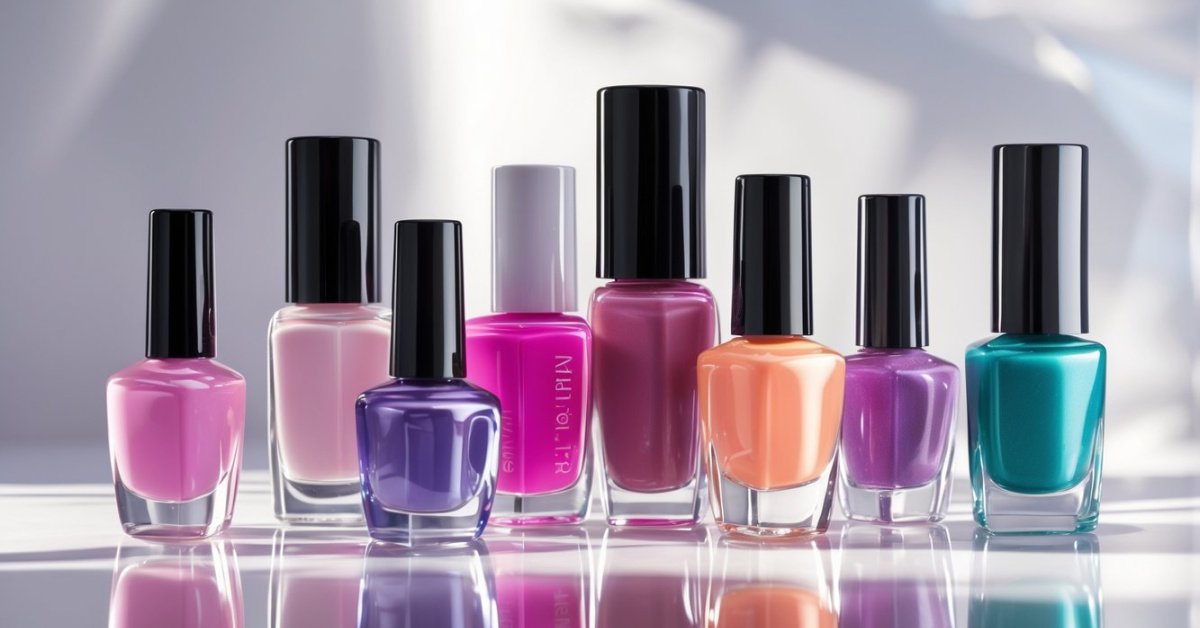
I store nail polishes and top coats upright in a cool, dark spot away from sunlight and heat, like a drawer or cabinet. Heat causes the polish to thicken or separate, while sunlight can change colors or degrade formulas. I always tighten caps immediately after use to keep air out and prevent drying or contamination. For my nail salon, I organize polishes by color and brand to speed up the selection process. When polish gets too thick, I avoid adding solvents and instead replace it to maintain healthy nails and polish integrity.
Nail Gels and Acrylic Liquids
Nail gels and acrylic liquids need cooler temperatures below 77°F to retain consistency and avoid premature curing. I keep gels in sealed containers in a dark cabinet, since light exposure triggers hardening. Acrylic liquids must remain tightly sealed to prevent evaporation or contamination. I also monitor expiration dates closely; using expired gel or acrylic risks poor adhesion and skin irritation. Proper storage helps me deliver flawless, long-lasting manicures without risk.
Nail Tools and Accessories
I store nail tools like brushes, files, and cuticle pushers in clean, dry containers, away from moisture to avoid rust or bacteria buildup. Sterilization is vital, especially in my salon, so I dedicate spots for disinfected tools separate from used ones. Accessories like cotton balls and nail wipes stay in airtight containers to keep them fresh and effective. Keeping tools organized and hygienic preserves health and speeds up the nail care routine.
Ideal Storage Conditions for Nail Products
Keeping nail products in the right environment extends their life and maintains their quality. Every step I take to control storage conditions protects the polish’s color, consistency, and safety.
Temperature and Humidity Control
I store nail polishes between 55°F and 77°F because extreme heat or cold ruins their texture. Too much heat causes thickening and separation, while cold thickens polishes making them harder to apply. Humidity stays best around 50%; high moisture invites mold, damaging both polish and tools. Avoid storing products in bathrooms or near heaters, where temperatures and humidity levels fluctuate drastically.
Light Exposure and Its Effects
Direct sunlight spoils nail products fast. UV rays break down pigments and alter polish formulas, leading to discoloration and clumping. I always keep bottles upright and tucked away in dark cabinets or opaque containers. This practice prevents premature aging and helps maintain vibrant shades and smooth finishes.
Avoiding Contamination and Damage
Air exposure damages nail products by drying them out and introducing bacteria, which affects performance and safety. I tighten lids immediately after use and avoid shaking bottles vigorously because it creates bubbles. Cleaning bottle necks regularly prevents polish buildup, ensuring tight seals. For tools like brushes and files, I sterilize them after every use and store them dry in clean cases to stop rust and germs. Proper hygiene and careful handling protect both the products and your health.
Practical Storage Solutions and Tips
Proper storage keeps nail products at peak performance and ensures a safe, efficient workspace. I’ve found a few key strategies that streamline storage while protecting quality.
Using Storage Containers and Organizers
I rely on clear acrylic organizers and stackable drawers to separate polishes by color and type. Acrylic bins prevent dust buildup and keep bottles visible, reducing time spent searching. Small containers with compartments work best for brushes, files, and other tools. When hanging storage racks suit your space, use them for quick access to frequently used shades. Always choose sturdy containers that keep products upright and avoid overcrowding to prevent spills or cap damage.
Labeling and Rotating Products
Label every product with purchase or opening dates using waterproof stickers or a fine-tip marker. Tracking ages helps me use older products before they expire, reducing waste. Grouping by expiration date and regularly rotating stock keeps my collection fresh. For gels and liquids, strict rotation is vital because they cure faster once exposed. Marking batches also ensures I discard anything past its prime, maintaining safety and effectiveness without guesswork.
Traveling with Nail Products Safely
Travel calls for extra care to prevent leaks and damage. I pack nail polishes in a padded cosmetic bag with separate compartments or sleeves to keep bottles from clinking together. Always seal caps tightly and wrap bottles individually in cloth or bubble wrap. For gels and liquids, store in a cool, stable environment during transit to avoid temperature extremes that might alter consistency. Carry small sterilized tools separately, and keep products upright if possible to prevent spills. Following these guidelines protects your polish investment and maintains professional quality on the go.
Conclusion
Taking a little extra time to store your nail products properly really pays off. Not only do your polishes and gels stay in great shape longer, but your whole nail routine becomes smoother and more enjoyable.
Keeping things organized and protected means fewer surprises and more beautiful nails every time. Trust me, once you get the hang of it, proper storage feels like second nature—and your nail collection will thank you!