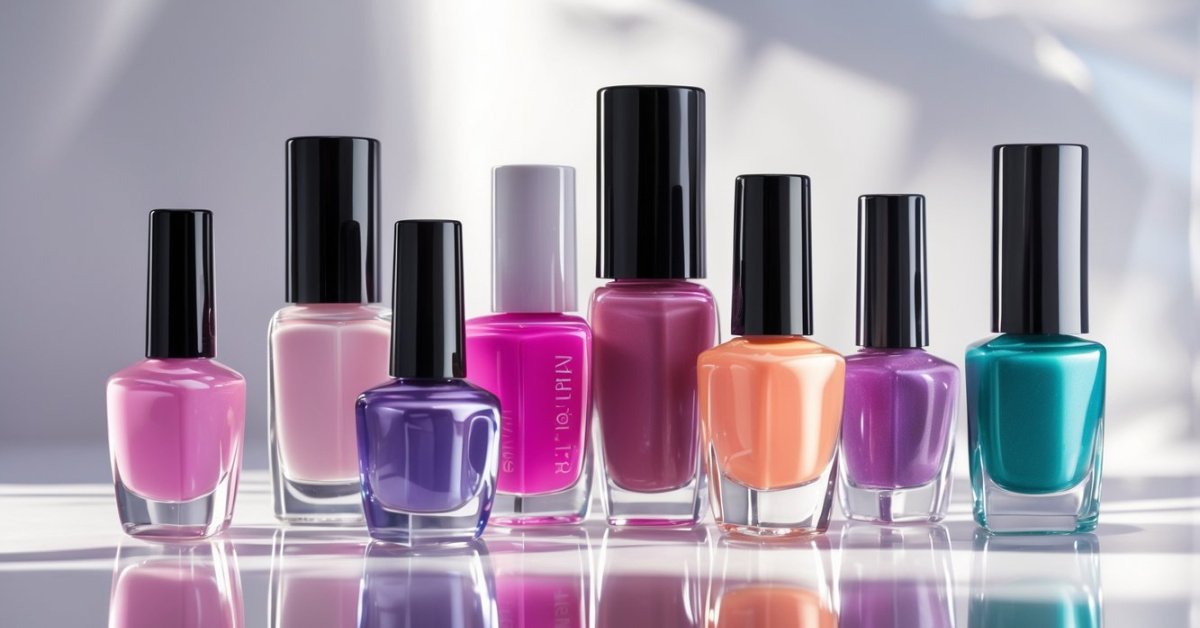
Nail polish is one of those little luxuries that can instantly brighten your day or complete your look. But if you’re like me, you’ve probably faced the frustration of a thickened, gloopy bottle that’s hard to use. Proper storage can make all the difference in keeping your favorite shades fresh and easy to apply.
I’ve learned that a few simple tricks can extend the life of nail polish and save you money in the long run. Whether you’re a casual user or a nail art enthusiast, knowing how to store your polish correctly helps maintain its color, consistency, and quality. Let’s dive into some easy tips that will keep your nail polish collection looking and working its best.
Understanding Nail Polish Composition
Knowing what goes into your nail polish helps keep it fresh and usable longer. I’ve worked with countless formulas over the years, so here’s what I’ve learned about how nail polish ingredients affect storage.
Common Ingredients and Their Sensitivity
Nail polish usually contains solvents like ethyl acetate or butyl acetate. These keep the polish liquid but evaporate easily when exposed to air or heat, causing thickening. Pigments provide color, while film-formers ensure smooth application and durability. Plasticizers add flexibility to prevent chipping.
Solvents and plasticizers react especially to temperature changes and light. Exposure to heat speeds evaporation, making polish gloopy. High temperatures also degrade pigments, dulling color. Cold conditions can cause separation or clumping but won’t ruin polish completely.
How Formulation Affects Storage Needs
Different polishes have varying storage demands depending on their makeup. For example, gel polishes include UV-sensitive components needing dark, cool places to prevent curing inside the bottle. Regular polishes fare best in a consistently cool, dark environment away from sunlight to preserve solvents.
Water-based polishes dry faster but require airtight sealing to avoid water loss. Thick or quick-dry formulas handle temperature shifts less well because their components react faster to air exposure.
Keeping these ingredients stable means storing polish at room temperature, around 65-72°F, away from heat sources or direct sunlight. I recommend standing bottles upright to avoid lid leaks and tightly sealing the caps to slow solvent evaporation.
Ideal Conditions for Storing Nail Polish
Keeping nail polish in the right environment preserves its color, texture, and longevity. I’ve learned through years of salon experience that careful attention to temperature, humidity, and light exposure makes all the difference.
Temperature and Humidity Guidelines
Maintaining a stable, cool temperature around 65-72°F (18-22°C) protects nail polish from thickening or separating. Temperatures above 75°F (24°C) speed up solvent evaporation, causing polish to thicken and dry out. Temperatures below 60°F (15°C) can cause ingredients to separate, reducing polish consistency and quality. Humidity levels between 40-60% prevent the polish from drying out too quickly without encouraging moisture buildup inside the bottle, which could cause changes in texture or mold growth.
Importance of Light Exposure Control
Nail polish stored in direct sunlight or under intense artificial light breaks down faster, fading pigments and degrading solvents. Keeping bottles in a dark or dimly lit place slows chemical changes, preserving polish vibrancy and smooth application. For gel polishes, this is even more critical because UV light can cure the product prematurely inside the bottle, ruining its usability. Using opaque or tinted containers also shields polish from light damage during storage.
Best Practices for Storing Nail Polish Properly
Storing nail polish correctly keeps its color vibrant and consistency perfect. My years running a nail salon taught me these sure-fire tips to protect your collection.
Choosing the Right Storage Containers
Glass or sturdy plastic containers with tight-fitting lids work best for storing nail polish. Choose opaque or tinted containers to block out harmful light that fades pigment. Avoid clear plastic boxes unless stored in a dark place. Keep bottles upright to prevent leaks and settling. If you use decorative containers, ensure they don’t expose polish to heat or sunlight.
Tips for Organizing Your Collection
Sort nail polish by color family, type, or brand to find shades quickly and avoid leaving others unused. Use stackable drawers or vertical racks to save space and maintain airflow around bottles. Label shelves or containers clearly so no bottles get lost in the mix. Regularly check for thickened or expired polish and rotate older bottles to the front to use first.
How to Prevent Nail Polish from Thickening or Drying Out
Store polish at a stable temperature between 65-72°F (18-22°C) to keep solvents from evaporating. Tighten caps immediately after use to stop airflow and drying. Clean the neck of each bottle before capping to ensure a secure seal. Avoid refrigerating polish, which can cause pigment separation. If polish thickens, add a few drops of nail polish thinner—never use acetone or remover—to restore smoothness without ruining the formula.
Signs Your Nail Polish Has Gone Bad
I’ve seen countless nail polishes lose their charm over the years. Spotting the signs early helps keep your collection fresh and fun.
Changes in Texture and Consistency
Nail polish thickens as solvents evaporate. I notice when a polish feels gloopy or clumpy instead of smooth. Polishes that drag or streak often reveal dryness inside the bottle. If shaking doesn’t restore the liquid flow, it’s time to say goodbye or use a nail polish thinner cautiously. Avoid using polishes that separate into chunks or become chunky, as they won’t apply evenly or cure properly.
Color Separation and Odor Indicators
When pigments settle or separate clearly, even after shaking, the polish has compromised its formula. I always watch for an unusual smell—a strong, sour, or chemical odor means the polish’s chemicals broke down. Such scents point to harmful ingredient changes that affect performance and safety. Trust your senses: a foul odor means the polish has passed its prime and should be replaced.
Conclusion
Taking a little extra care with how you store your nail polish really pays off. It’s amazing how much longer your favorite colors can last when kept in the right conditions. I’ve found that a bit of organization and attention to temperature and light can save me from frustrating thick or unusable polish.
Remember, your nail polish collection deserves the same love you put into your manicures. Keep an eye out for signs that a bottle has gone bad, and don’t hesitate to refresh your stash when needed. With these tips, you’ll enjoy vibrant, smooth polish every time you reach for a bottle.