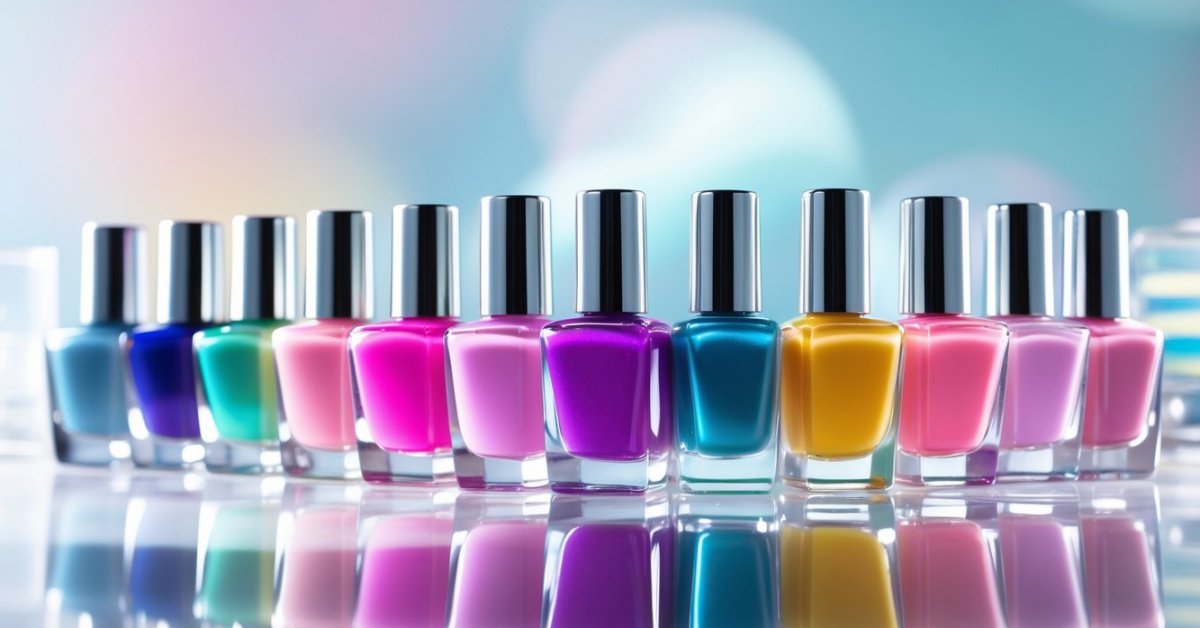
Nail art has always fascinated me because it’s a fun way to express creativity right at my fingertips. Whether you’re a beginner or someone looking to try new styles, creating your own nail art design can be both relaxing and rewarding. It’s amazing how a little color and some simple patterns can transform your look instantly.
Essential Tools and Materials for Nail Art
Mastering nail art starts with having the right tools and materials. Using quality products and proper tools makes a huge difference in creating clean, lasting designs.
Choosing the Right Nail Polish
Picking nail polish matters because different formulas affect durability and finish. I always recommend:
- Base coats: Protect nails from staining and improve polish adhesion.
- Regular nail polishes: Look for brands with rich pigmentation and smooth application.
- Gel polishes: Cure under UV or LED lights, providing a durable, glossy finish for 2+ weeks.
- Top coats: Seal your design and add shine or matte effects.
Opt for polishes that are free from harmful chemicals like formaldehyde, toluene, and DBP, especially if you do your nails often. These reduce risks of allergies and damage.
Must-Have Nail Art Tools
Using the right tools enhances precision and creativity. Here’s what I stock in my salon:
- Nail art brushes: Fine-tipped brushes for detailed lines, and fan brushes for gradient effects.
- Dotting tools: Create perfect dots and patterns quickly.
- Striping tapes: Help produce sharp, clean stripes and geometric shapes.
- Sponges: Ideal for ombre and gradient techniques.
- Tweezers: Place small decals or rhinestones precisely.
- Nail files and buffers: Shape nails smoothly and prep surfaces for polish.
- Cuticle pushers and nippers: Maintain healthy cuticles, which is essential for a neat finish.
Having these tools at hand, along with quality polish, sets the stage for stunning nail art that lasts longer and looks professional.
Preparing Your Nails for Design
Preparing nails properly sets the foundation for any design. I focus on clean, shaped, and protected nails before applying any polish or art.
Nail Cleaning and Shaping
I start by removing old polish with an acetone-free remover to avoid drying out nails. Then I soak fingers in warm water for 5 minutes to soften cuticles. Using a cuticle pusher, I gently push back cuticles without cutting to maintain nail health. I file nails to a uniform shape, preferring squares or ovals depending on style preference. Filing in one direction prevents splits. Buffing the nail surface smooths ridges and helps polish adhere evenly.
Applying a Base Coat
I always apply a thin layer of base coat after nail prepping. It protects nails from staining, especially with dark or vibrant colors. Base coat also creates a slightly sticky surface that improves polish adhesion, extending wear time. I let the base coat dry fully before moving on to color or design layers, ensuring smooth application and lasting results.
Step-by-Step Guide on How to Create a Nail Art Design
Creating nail art blends creativity and technique, allowing you to elevate your manicure with unique designs. I’ll guide you through simple patterns perfect for beginners and advanced techniques that bring intricate designs to life.
Simple Patterns for Beginners
Starting with easy patterns builds confidence and sharpens your skills. Three straightforward designs to try include:
- Dots: Use a dotting tool or bobby pin to apply small, evenly spaced dots over a base color. Vary dot sizes for a playful effect.
- Stripes: Apply striping tape on dry polish and paint over it with a contrasting color. Remove tape carefully for crisp lines.
- Half-moons: Paint a base color, then use a small, rounded brush or reinforcement sticker near the cuticle to create a half-moon shape with a second polish.
Focus on precision and minimal polish per stroke to avoid smudging. Allow each layer to dry fully before the next to maintain clean lines.
Advanced Techniques for Intricate Designs
Once comfortable with basics, you can explore advanced methods to achieve detailed nail art. Techniques include:
- Freehand painting: Utilize fine-tipped brushes to draw floral patterns, abstract shapes, or tiny illustrations. Steady hands and patience boost results.
- Stamping: Use nail stamping plates and polish to transfer intricate designs uniformly. Clean the plate and scraper after each use for precise prints.
- Gradient or ombré: Blend two or more colors with a sponge in dabbing motions for a seamless color transition. Seal with top coat for smoothness.
- 3D embellishments: Apply rhinestones, studs, or small decals to add texture and dimension to nails. Secure with nail glue or a gel top coat for durability.
Mastering these advanced techniques requires practice and quality tools. I recommend investing in a good set of brushes and keeping polish consistency thick enough for detail but not so thick it clumps.
| Technique | Tools Needed | Key Tips |
|---|---|---|
| Freehand painting | Fine-tipped brushes, polish | Use minimal polish, steady hand |
| Stamping | Stamping plates, scraper, polish | Clean plates after each use |
| Gradient (Ombré) | Makeup sponge, polish | Dab gently, multiple layers |
| 3D Embellishments | Rhinestones, nail glue, top coat | Secure firmly, avoid excess glue |
The creative freedom in nail art results from mixing simple patterns with advanced techniques. Practice these steps regularly to watch your skills and designs flourish.
Tips for Long-Lasting Nail Art
Keeping your nail art fresh and vibrant takes more than just skillful application. It demands attention to the drying process, sealing techniques, and regular maintenance. I’ve found these steps essential for lasting beauty and healthy nails.
Proper Drying and Sealing
Start by allowing each polish layer to dry completely before applying the next. Rushing this step increases the risk of smudges and chipped designs. Use quick-dry drops or a drying spray to speed up the process if you’re short on time. Once your design is fully dry, apply two coats of a high-quality top coat. This seals in the color and adds a protective barrier against wear.
Remember to cap the free edge of your nails by brushing the top coat along the tips. This small step prevents premature chipping. If you use gel polish, curing under a UV or LED lamp ensures a hardened, durable finish. Regularly refresh the top coat every two to three days to maintain shine and strengthen the design.
Maintenance and Touch-Ups
Keep your nails clean and moisturized to extend the life of your nail art. I recommend applying cuticle oil daily to nourish the skin around your nails and prevent peeling. Avoid using your nails as tools to reduce cracking or lifting.
If chips or cracks appear, fix them immediately. Lightly buff the affected area, reapply polish, and seal with top coat. This stops damage from worsening. Wearing gloves during household chores, especially those involving water or chemicals, protects your nails from exposure that weakens polish.
Following these tips keeps your nail art looking fresh longer while preserving nail health. Years of salon experience prove prevention and gentle care are the keys to lasting, beautiful manicures.
Conclusion
Nail art has become one of my favorite ways to unwind and express myself creatively. It’s amazing how a little patience and the right tools can transform simple nails into tiny works of art.
Whether you’re just starting out or ready to try more complex designs, the key is to enjoy the process and not rush. Each step, from prepping to sealing, helps your creation last longer and look better.
So grab your favorite colors and have fun experimenting—you never know what unique style you’ll come up with next!