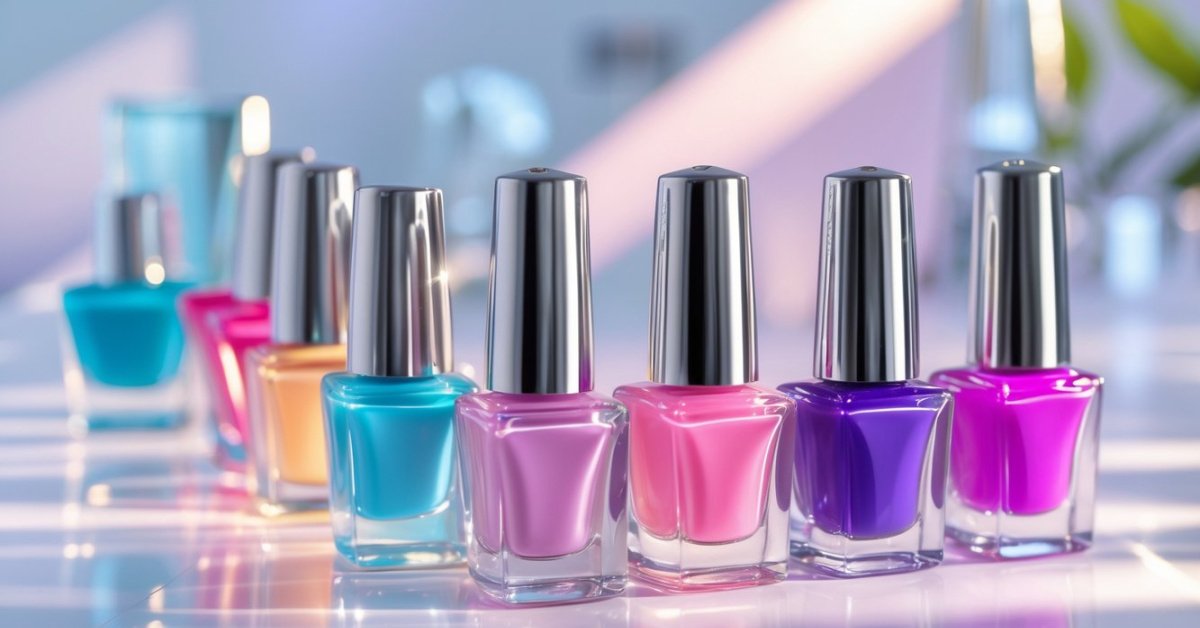
If you’ve ever been curious about creating flawless acrylic nails, understanding how to apply nail monomers is a great place to start. Nail monomers are the liquid part of acrylic nail systems that, when combined with polymer powder, form that strong, durable layer we all love. Getting the technique right can make a huge difference in how your nails look and last.
Understanding Nail Monomers
Nail monomers play a crucial role in creating flawless acrylic nails. Knowing what they are and the different types helps in choosing the right product for each client’s needs.
What Are Nail Monomers?
Nail monomers are the liquid part of an acrylic nail system. They combine with polymer powder to form a hard, durable coating on natural nails or nail tips. This chemical reaction cures the mixture, creating a smooth, long-lasting finish. I’ve seen the quality of nails improve dramatically when the monomer is applied correctly, ensuring the acrylic adheres well and lasts for weeks without lifting or cracking.
Types of Nail Monomers and Their Uses
Different monomers serve specific purposes. Here are the main types I use in my salon:
- Standard Monomers: Best for everyday nail enhancements, offering balanced drying time and durability.
- Fast-Setting Monomers: Ideal when speed matters, such as busy clients or quick fill-ins, but require precise application to avoid errors.
- Odorless Monomers: Great for sensitive clients or small salon spaces, reducing strong chemical smells without compromising quality.
- Custom Blends: Combining features from different monomers to suit unique client needs or environment conditions.
Selecting the right monomer depends on the client’s lifestyle, nail condition, and the desired finish. Mastery of these options ensures beautiful, healthy nails every time.
Preparing Your Nails for Application
Proper preparation sets the foundation for flawless acrylic nails. I always make sure my clients’ natural nails are clean, shaped, and ready to bond with the monomer for long-lasting results.
Cleaning and Shaping the Nails
Start by removing any old polish or oils with a gentle nail polish remover, avoiding harsh acetone that can weaken nails. Next, trim and file the nails to the desired shape, whether square, oval, or almond. Use a fine-grit file to smooth edges without causing splits. Lightly buff the surface with a buffer block to remove shine and create texture for better adhesion. Always wash your hands or wipe nails with a lint-free cloth soaked in alcohol to clear dust and oils from filing.
Importance of Nail Primer
Applying nail primer is crucial. It acts as a bonding agent between your natural nail and the acrylic, preventing lifting and chipping. After drying the nails completely, apply a thin, even layer of primer, taking care to avoid the cuticles. Let it air dry for about 30 seconds before starting the monomer application. Using primer tailored to sensitive skin or nail conditions can protect against irritation while ensuring strong adherence. My salon never skips this step because well-primed nails last longer and look flawless.
Step-by-Step Guide on How to Apply Nail Monomers
Mastering the application of nail monomers takes practice, but it’s the foundation for stunning acrylic nails. Here’s how I create flawless, durable nails in my salon every day.
Mixing Monomer and Polymer
Start by pouring the right amount of monomer into a small glass or dappen dish—usually about half full. Next, dip your acrylic brush into the monomer, letting it absorb the liquid without dripping. Then, gently dab the brush into the polymer powder, picking up a small bead. The bead should be smooth and not chalky. If it feels dry or crumbly, add a tiny bit more monomer. If it’s too wet or runny, pick up more powder. This balance produces the perfect consistency needed for a solid, long-lasting nail.
Proper Application Techniques
Begin by placing the bead near the cuticle area, careful not to touch the skin. Press it lightly and spread it evenly toward the free edge using gentle, sweeping strokes. Work in sections, blending each bead into the previous one to avoid ridges. Keep the brush saturated but not dripping to maintain control. Smooth any imperfections with the brush while the acrylic is still pliable, sculpting the nail’s natural curve. Using slow, deliberate motions helps maintain shape and prevents lifting later on.
Curing and Drying Time
Allow acrylic nails to cure naturally at room temperature. They typically dry within 2 to 3 minutes, though thicker layers may take longer. Avoid using heat or fans, as quick drying can cause cracking. Test for dryness by gently tapping the surface; it should feel hard but not brittle. Once fully cured, file and buff the nails into shape, then apply any additional polish or topcoat as desired. Patience during this step ensures a resilient, beautiful finish every time.
Tips for Best Results and Safety Precautions
Getting flawless acrylic nails depends on careful technique and safety awareness. I share key tips based on decades of experience to help you achieve the best results while protecting your health.
Avoiding Common Mistakes
Start with the right monomer-to-polymer ratio. Too much liquid makes acrylic runny and weak; too little creates dry, crumbly nails. Always dip your brush lightly and reload often to keep the bead consistent. Apply the bead close to the cuticle, then gently press and smooth it toward the tip to prevent ridges or lumps. Avoid overworking the acrylic once it starts curing; this causes uneven texture and shortens wear. If you notice lifting or peeling later, check whether the nail was properly prepped or if the product mix was off.
Proper Ventilation and Handling
Work in a well-ventilated area to minimize inhaling fumes from nail monomers, which can irritate the respiratory system over time. Use a ventilation system or open windows when possible. Store monomers in tightly sealed bottles away from sunlight and heat to preserve their effectiveness. Wear gloves if you have sensitive skin or allergies. Never touch monomer liquid directly and avoid pouring it near open flames—it’s highly flammable. Following these handling steps keeps your workspace safe and your health intact.
Conclusion
Getting comfortable with nail monomers takes a bit of practice, but it’s totally worth it for that flawless acrylic finish. Once you find the right balance and technique, your nails will look strong and beautiful for weeks.
Remember to be patient and gentle with each step—it makes all the difference. And don’t forget to keep safety in mind by working in a well-ventilated space and handling your products carefully.
With these tips, you’ll be creating salon-quality nails right at home in no time!