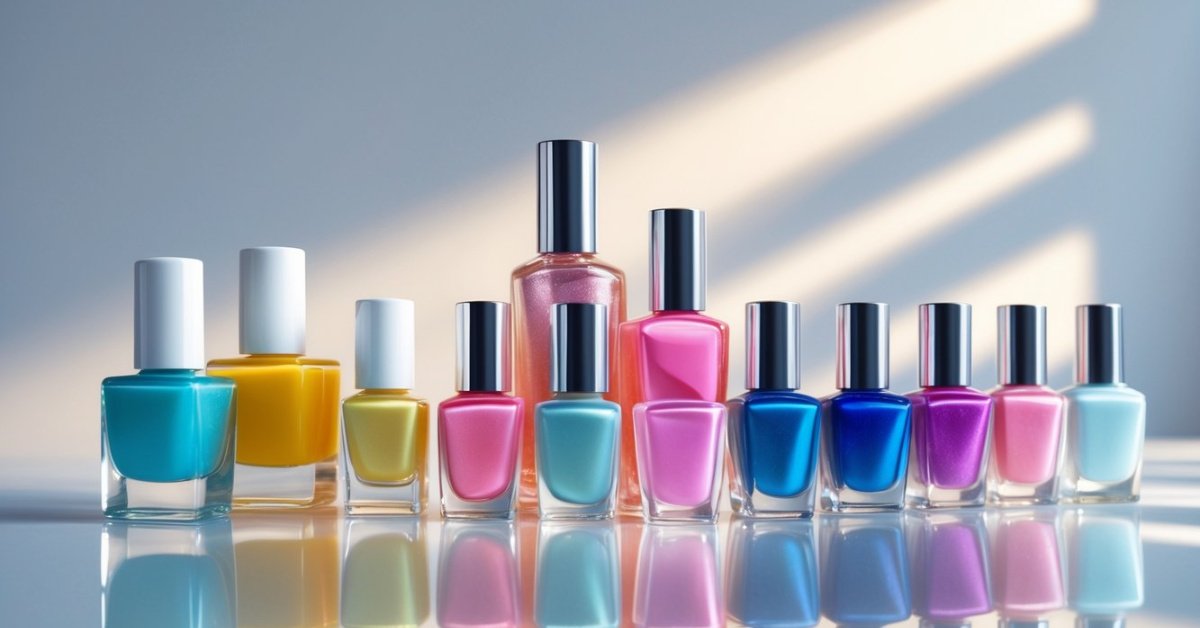
Taking care of kids’ nails might seem simple, but it’s actually an important part of keeping them healthy and comfortable. I’ve learned that young nails need gentle care to avoid pain or infections, and teaching kids good habits early can make a big difference.
I’ve seen how little ones love to explore and play, which means their nails can get dirty or damaged easily. That’s why I’m excited to share some safe and easy nail care tips that work well for kids. With the right approach, nail care can be a fun and stress-free routine for both you and your child.
Importance of Nail Care for Kids
Taking care of kids’ nails protects their health and keeps their nails looking great. As a nail polish expert and salon owner for decades, I know how much young nails benefit from safe care routines.
Understanding Young Nails
Young nails are thinner and more sensitive than adult nails. They grow faster, which means they need gentle handling to avoid damage. Frequent exposure to dirt and play can cause nails to chip or break if not properly cared for. Children’s nails lack the toughness of adult nails, so harsh polishes or removers aren’t recommended. Using kid-friendly, non-toxic nail polish protects their delicate nails and adds a fun beauty element without harm.
Common Nail Issues in Children
Kids often face nail problems like hangnails, nail biting, and fungal infections due to their active lifestyles and developing habits. Hangnails cause discomfort and can lead to infections if ignored. Nail biting weakens nail beds and leads to uneven nail growth. Fungal infections, although less common, require attention to prevent spreading. Safe nail care practices and regular checking help catch these issues early. Using breathable nail polish options minimizes risks and maintains nail health while letting kids enjoy colorful nails.
Safe Nail Care Practices
Caring for kids’ nails safely means using the right tools and techniques to protect their delicate nails. I focus on gentle care that keeps nails healthy and ready for fun colors without causing damage.
Choosing the Right Tools
Selecting kid-friendly tools is key. I recommend small nail clippers with rounded edges, gentle nail files made of soft materials like foam or fine-grit emery boards, and nail brushes with soft bristles. Avoid metal tools that can easily cause cuts or splinters. Using clean and sanitized tools prevents infections and reduces the risk of spreading germs among children during group nail sessions.
Proper Nail Trimming Techniques
Trim nails straight across to avoid ingrown nails and keep the edges smooth by gently filing them. I always advise trimming nails after a bath or hand wash when they soften, making the process easier and less likely to cause splits. Cutting nails too short can hurt the skin; I keep a small white edge to protect the fingertip. Encourage kids to sit still during trimming by making it a fun routine with colorful nail polishes afterward.
Cleaning and Hygiene Tips
Maintain clean nails by washing hands regularly with lukewarm water and mild soap. I use a soft nail brush for gentle scrubbing around the edges to remove dirt without harming the nail bed. Encourage kids to dry hands thoroughly to prevent fungal growth. Teach them to avoid biting nails or picking at cuticles since these habits invite infections and spoil any nail polish designs. Using non-toxic nail polish remover suited for kids keeps nails strong and free from harsh chemicals.
Avoiding Harmful Products and Habits
Keeping young nails healthy means steering clear of products and habits that damage delicate nails. I focus on safe options that protect kids’ nails without sacrificing fun and style.
Toxic Ingredients to Watch For
I always recommend avoiding nail polishes that contain harmful chemicals. Ingredients like formaldehyde, toluene, and dibutyl phthalate (DBP) can irritate sensitive skin and nails. Many kid-friendly polishes now come free of these toxins, labeled as “3-free,” “5-free,” or even “7-free” formulas. Look for polishes with water-based or plant-derived ingredients that dry quickly and minimize fumes. Choosing these safer options keeps kids’ nails strong and prevents allergic reactions.
Preventing Nail Biting and Picking
Nail biting and cuticle picking weaken nails and invite infections. I suggest keeping nails short and neat, which reduces the temptation to bite. Applying a mild, bitter-tasting nail polish designed to discourage biting can also help break the habit. Encouraging kids to find alternative stress-relief activities or giving them small fidget toys redirects their attention away from nails. Consistency in gentle reminders and positive reinforcement builds healthier habits that protect young nails from damage.
Encouraging Healthy Nail Growth
Healthy nails start with consistent care both inside and out. I focus on habits that promote strong, vibrant nails for kids, ensuring their nail polish looks great while keeping nails in top shape.
Diet and Nutrition for Strong Nails
Feeding young nails with the right nutrients improves their growth and resilience. Protein, found in eggs and lean meats, forms the building blocks of nail tissue. Vitamins A and C, abundant in carrots and citrus fruits, help repair and protect nails. Zinc and biotin, present in nuts and whole grains, strengthen nails and reduce breakage. I recommend incorporating these foods daily to support new nail growth that holds polish beautifully.
Moisturizing and Protection
Keeping nails and cuticles hydrated creates the perfect foundation for polish application. I always advise using a gentle, fragrance-free moisturizer or natural oils like jojoba or almond oil. Applying moisturizer after hand washing, especially before bed, locks in moisture and prevents nails from becoming brittle. Protecting nails from frequent water exposure, harsh soaps, and rough surfaces also reduces peeling and cracking. Wearing gloves during messy play helps maintain a smooth nail surface, allowing polish to adhere longer and look flawless.
When to Consult a Pediatrician or Dermatologist
I always stress the importance of knowing when kids’ nails need professional attention. Consult a pediatrician or dermatologist if you spot persistent redness, swelling, or pain around the nails that doesn’t improve after simple care. If nails show signs of fungal infection—like thickening, discoloration, or crumbling—it’s crucial to get a diagnosis to avoid complications.
Watch for unusual nail changes such as deep grooves, splitting, or sudden brittle nails, which may indicate underlying health issues requiring expert advice. If your child frequently bites nails causing open sores or bleeding, professional guidance can help prevent infections and develop healthier habits.
If you notice rashes, blisters, or scaling around the nail area, don’t hesitate to seek a specialist’s opinion, especially if over-the-counter treatments aren’t helping. Early intervention protects your child’s delicate nails and supports long-term nail health while allowing safe use of nail polish and other beauty treatments.
Conclusion
Taking care of kids’ nails doesn’t have to be tricky or stressful. With a little patience and the right approach, it can even become a fun bonding moment. I’ve found that gentle care, good habits, and a bit of creativity go a long way in keeping those tiny nails healthy and happy.
Remember, every child’s nails are unique, so paying attention to their needs and changes is key. When in doubt, don’t hesitate to reach out to a professional. Healthy nails help kids feel comfortable and confident, and that’s what really matters to me.