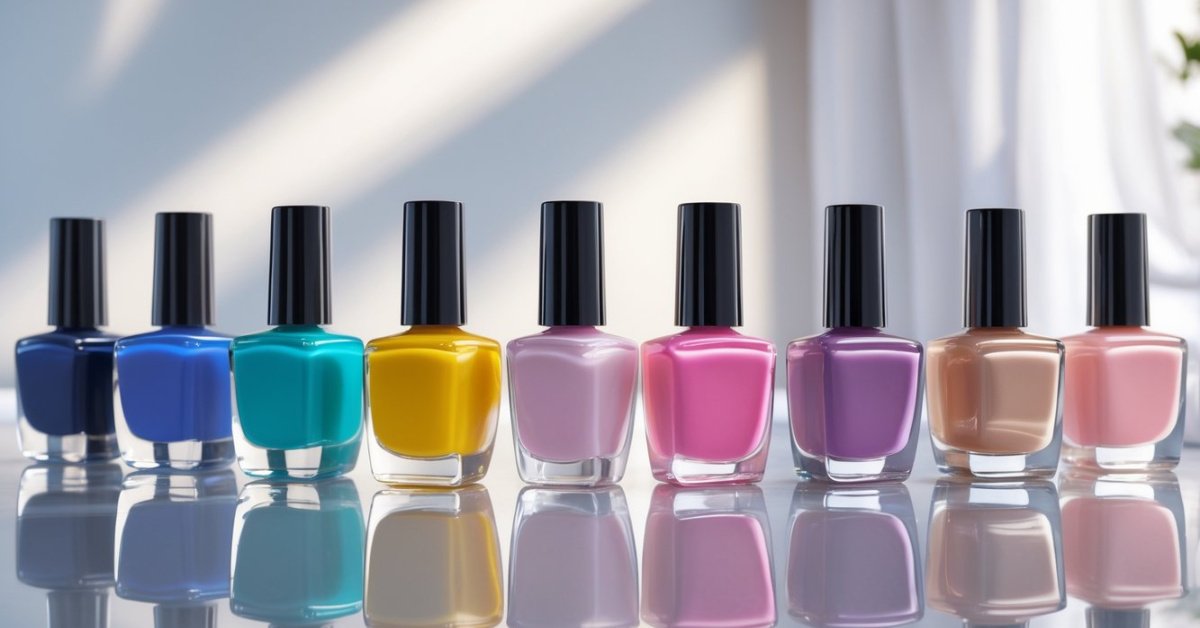
Swimming is one of my favorite ways to stay fit and unwind, but I’ve noticed it can really take a toll on my nails. Chlorine in pool water dries out my skin and leaves my nails looking brittle and weak. If you’re a swimmer like me, you might have faced the same frustrating problem.
Over time I’ve learned a few simple tricks to protect my nails from chlorine damage and keep them healthy and strong. Taking care of your nails doesn’t have to be complicated or time-consuming. With a little know-how, you can enjoy your swim sessions without worrying about the aftermath on your nails.
Understanding Chlorine Damage on Nails
As a nail polish expert with decades of salon experience, I know how important it is to protect nails from harsh elements like chlorine. Chlorine, common in swimming pools, affects nail health in ways many people don’t realize.
How Chlorine Affects Nail Health
Chlorine strips away the oils that keep nails flexible and strong. Without these oils, nails become dry and brittle. Frequent exposure causes the nail surface to weaken and develop micro-cracks. These cracks lead to peeling and breakage, making nails more vulnerable. Chlorine also fades nail polish color, reducing the sparkle and shine of a fresh manicure.
Signs of Chlorine-Related Nail Damage
Nails exposed to chlorine show clear signs of damage. Watch for rough, uneven nail edges and white spots or streaks. Splitting and flaking layers appear more frequently. Cuticles dry out and become easily irritated. If nails feel thin or brittle to the touch, chlorine exposure might be the cause. Spotting these signs early helps maintain healthy nails and the beauty of any manicure.
Essential Nail Care Tips for Swimmers
Keeping nails healthy while swimming means using smart strategies before and after hitting the pool. I’ve learned these tips over decades in the salon to protect nails from chlorine damage and maintain the beauty of nail polish.
Pre-Swim Nail Protection Strategies
Always apply a protective base coat before swimming. A nourishing base coat seals nails, blocking chlorine from soaking in. I recommend using a strengthening formula rich in keratin or calcium for extra support. Next, massage cuticle oil into your nail beds. This layer locks in moisture and forms a barrier against dryness. If possible, wear waterproof gloves designed for swimmers; they drastically reduce chlorinated water contact. Lastly, trim and file nails neatly—shorter nails resist breakage better when exposed to pool chemicals.
Post-Swim Nail Care Routine
Rinse nails immediately with fresh water to wash away chlorine residue. Follow with a gentle moisturizing hand cream containing vitamins E and B5. These ingredients restore nail flexibility and smoothness. Remove any residual polish with an acetone-free remover to avoid further drying. Then, reapply cuticle oil and a nail strengthener before bed. Regularly giving nails a break from polish also helps them recover and prevents peeling. Finally, stay hydrated—hydrated nails reflect overall health and resist brittleness better.
Products That Help Prevent Chlorine Damage
Keeping nails protected from chlorine starts with choosing the right products. The right moisturizers, oils, and protective coatings create a barrier against harsh pool chemicals, preserving nail strength and polish vibrancy.
Best Moisturizers and Nail Oils
Moisturizers and nail oils lock in hydration and replenish oils stripped away by chlorine. I recommend products rich in vitamin E, jojoba oil, and almond oil for their deep conditioning properties. For example, cuticle oils with these ingredients strengthen nails and soften dry skin around them. Applying these oils twice daily, especially after swimming, helps prevent brittleness and peeling. My salon favorites include base creams with ceramides and hyaluronic acid, which boost moisture retention for at least 24 hours.
Protective Nail Coatings and Sealants
Protective coatings form a physical shield that limits chlorine exposure to nails and polish. A clear base coat designed for swimmers or water sports creates this essential barrier. I advise using a gel-based sealant, which adds durability and prevents polish fading. Sealants with keratin and calcium also reinforce nail structure under the coating. Regularly applying one coat before swimming and refreshing it weekly maintains this protection. Some brands offer quick-dry formulas that keep nails glossy while resisting chlorine damage for days.
Lifestyle Habits to Support Nail Health
Healthy nails depend on more than just products. Good daily habits keep nails strong and ready for any polish or swim session.
Maintaining Proper Nail Hygiene
Regular cleaning removes dirt and prevents infections that weaken nails. I advise washing hands and nails gently with mild soap and warm water. Avoid harsh scrubbing or aggressive nail tools that damage the nail surface. Keep nails trimmed to ¼ inch beyond the fingertip, shaping edges smoothly to prevent snags or breaks. When removing polish, choose acetone-free removers to avoid drying nails out. I also recommend giving nails a break from polish at least once a week, letting them breathe and regenerate their natural oils.
Diet and Hydration for Strong Nails
Nail strength starts from within. A diet rich in biotin, vitamin E, and omega-3 fatty acids supports nail growth and resilience. Foods like almonds, spinach, eggs, and salmon nourish nails effectively. Staying hydrated by drinking at least 64 ounces of water daily maintains nail moisture and flexibility. If diet falls short, I suggest supplements with keratin or collagen to strengthen nails further. Consistent hydration and balanced nutrition boost your nails’ ability to resist chlorine damage and maintain a polished, beautiful look.
When to Seek Professional Nail Care
I recommend checking in with a nail professional if you notice persistent signs of damage like deep splitting, severe brittleness, or ongoing peeling that won’t improve with home care. Spots of discoloration or any unusual thickening beneath the nail might indicate an infection, which requires expert treatment to prevent further harm.
I advise scheduling a salon visit when your nails become painful or inflamed since these symptoms can signal underlying issues needing professional attention. If you find managing your nail health challenging due to frequent exposure to chlorine, a qualified nail technician can provide treatments like nourishing manicures, protective overlays, and customized care plans that help restore your nails’ strength and appearance.
I suggest regular professional check-ups at least every six to eight weeks to monitor nail health if you swim often and wear nail polish frequently. This helps catch problems early before they affect your nail beds or polish longevity. Don’t hesitate to ask for advice on the best products and techniques tailored for swimmer’s nails, as expert guidance can greatly improve your nail care routine.
Conclusion
Taking care of your nails as a swimmer doesn’t have to be complicated. With a few simple habits and the right products, you can keep your nails strong and healthy despite chlorine exposure.
I’ve found that staying consistent with protection and hydration makes all the difference. Remember, your nails deserve a little extra love just like the rest of your body.
So dive in confidently knowing your nails are ready to handle the pool and still look great!