I’ve always loved the look of marble nails—they’re chic, unique, and surprisingly elegant. But going to the salon every time isn’t always practical or budget-friendly. That’s why I decided to master the marble manicure at home. It’s easier than you might think and a fun way to get creative with your nails.
Essential Tools and Materials for a Marble Manicure
Mastering a marble manicure at home requires the right tools and materials. I’ll guide you through each item to help you achieve salon-quality results with ease.
Choosing the Right Nail Polish Colors
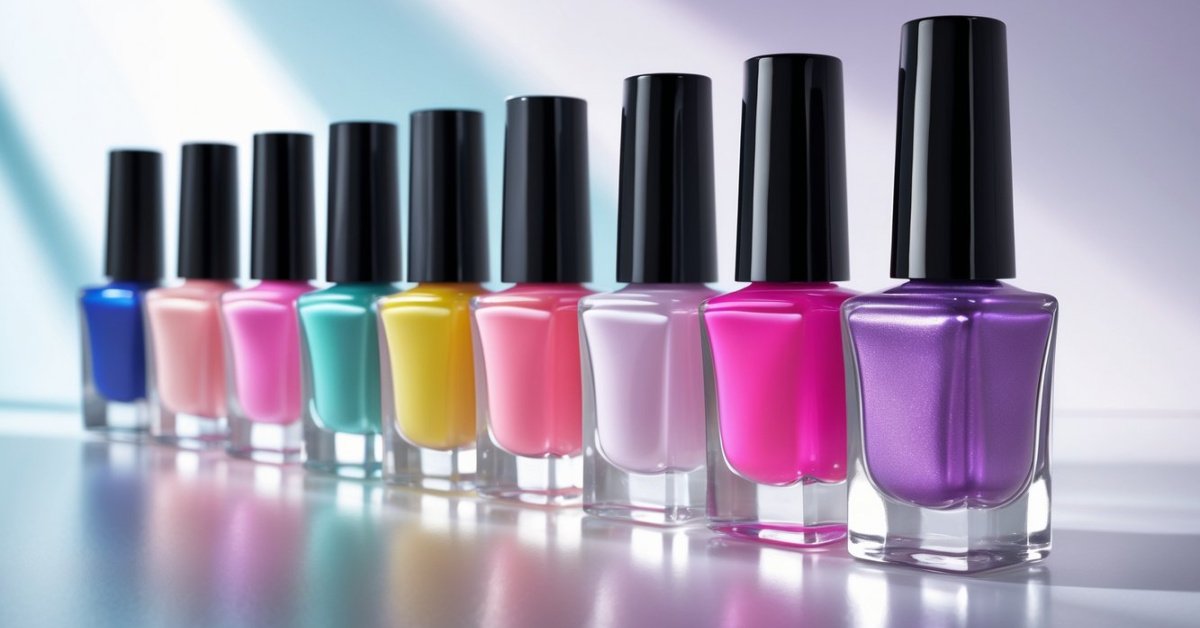
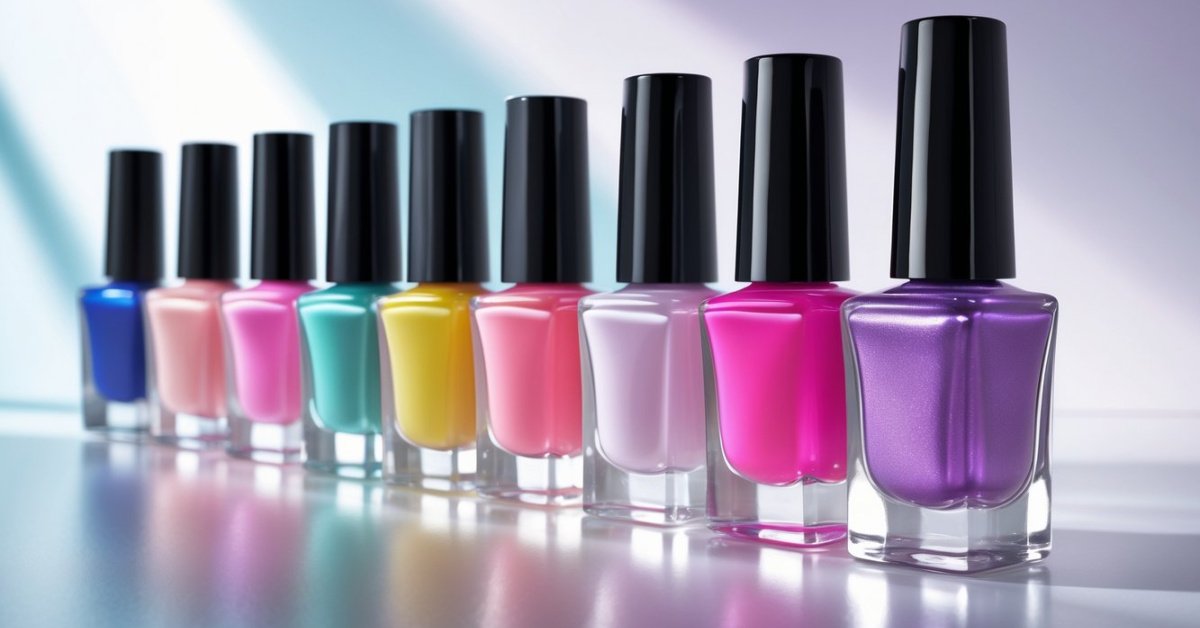
Selecting nail polish colors is crucial for an eye-catching marble effect. I recommend picking 2 to 3 complementary shades—for example, soft pink, white, and gold for an elegant look. Using a base color with lighter shades for marbling creates depth, while metallics add a stylish touch. Avoid thick formulas, since thin polishes blend more smoothly in the water.
Tools You’ll Need for the Technique
Several essential tools make the marble technique manageable and enjoyable. Keep these items ready:
- A small cup or bowl filled with room temperature water, as cool or warm water changes polish behavior.
- A toothpick or a fine needle to swirl polish drops gently into a marbled pattern.
- Tape or liquid latex to protect the skin around your nails from excess polish.
- Cotton swabs and nail polish remover for quick cleanups.
- Base coat and top coat to protect nails and seal your design.
- Paper towels or a plastic sheet to keep your workspace tidy.
These carefully chosen materials streamline the process, helping you focus on creativity and technique.
Preparing Your Nails for a Marble Manicure
Preparing your nails properly sets the foundation for a stunning marble manicure. I’ve learned over decades in the salon that clean, well-shaped nails ensure your art looks flawless and lasts longer.
Cleaning and Shaping Your Nails
Start by removing any old polish with an acetone-free remover to protect your nails from dryness. Wash your hands thoroughly to eliminate oils and debris that can affect polish adhesion. Shape your nails using a fine-grit file, filing in one direction to avoid splitting. I prefer a soft oval or almond shape, which complements marble designs elegantly and reduces breakage. Push back cuticles gently with a wooden stick or cuticle pusher, avoiding cutting to prevent infections. Hydrate your cuticles after cleansing, but make sure your nails are fully dry and free of oils before painting.
Applying a Base Coat
Apply a thin layer of base coat to every nail, focusing on even coverage without flooding the cuticle area. The base coat protects your nails from staining, especially from darker polish colors used in marble designs, and helps polish adhere better. Choose a strengthening or hydrating base to maintain nail health during wear. Allow the base coat to dry fully; this step prevents smudging when you start the marble swirling process.
Step-by-Step Guide: How to Do a Marble Manicure at Home
Mastering a marble manicure at home brings together creativity and technique. I want to share trusted methods that deliver salon-quality results and let your manicure stand out.
Creating the Marble Effect Using Water Marbling
Start by filling a small cup with room temperature water, which helps nail polish spread evenly. Drop your chosen polish colors—two or three complementary shades work best—onto the water surface, one drop at a time, creating concentric rings. Use a toothpick to gently swirl the polish, forming unique marble patterns. Protect your skin around the nail with tape or liquid latex to minimize cleanup. Dip your nail flat into the water where the pattern looks best, then slowly pull it out at the same angle to transfer the design. Clean the excess polish from the water surface before each dip to avoid smudges. Finish by removing the tape and cleaning around the nail with a cotton swab dipped in polish remover. Let the design dry completely before applying a top coat to seal and protect your work.
Alternative Methods for Marble Nail Art
If water marbling feels complex, try dry marbling by applying three polish colors directly on the nail in dots or stripes. Use a fine brush or a toothpick to swirl the colors together before they dry, creating a marble effect. Another technique involves using a plastic wrap or cling film: apply a base color, let it dry, then dab the contrasting polish with crumpled plastic to add texture and depth. Both methods require a steady hand but save time and materials compared to water marbling. Finish with a glossy top coat for a smooth, durable finish.
Experimenting with these techniques lets you customize marble designs to fit your style while keeping the process manageable and fun.
Tips for a Long-Lasting Marble Manicure
Keeping a marble manicure fresh requires attention and care after the design is complete. With the right techniques and habits, nails stay stunning longer.
Sealing and Protecting Your Design
Start by applying two thin layers of a high-quality, glossy top coat. A fast-drying formula improves durability, but apply evenly to avoid streaks. Reapply the top coat every 2 to 3 days, sealing the edges of each nail to prevent chipping. Avoid using oily hand creams immediately after the manicure, since oils can weaken polish adhesion. Wearing gloves while doing household chores protects nails from harsh chemicals and water exposure. Maintaining nails with regular cuticle oil also keeps the skin healthy and reduces peeling around the edges, which can affect polish longevity.
Common Mistakes to Avoid
Skipping the base coat often leads to yellowing and early chipping, so always start with clean, prepped nails. Dipping nails too slowly into the water marbling design causes uneven patterns or smudges, so keep a steady, confident motion. Using too many polish drops or colors in the water can cause thick clusters that don’t set properly on the nail. Avoid shaking the polish bottle vigorously, since air bubbles interfere with smooth application; instead, roll bottles gently between your hands. Lastly, rushing through drying times invites smudges and dents—patience during each step ensures salon-quality results that last.
Conclusion
Trying out a marble manicure at home has been such a fun and rewarding experience for me. It’s amazing how a few simple tools and a bit of patience can transform my nails into little works of art.
I love that I can customize the colors and patterns to match my mood or outfit, making each manicure truly unique. Plus, doing it myself saves time and money without sacrificing style.
If you’re curious, don’t hesitate to give it a shot—you might surprise yourself with how creative and skilled you can become!