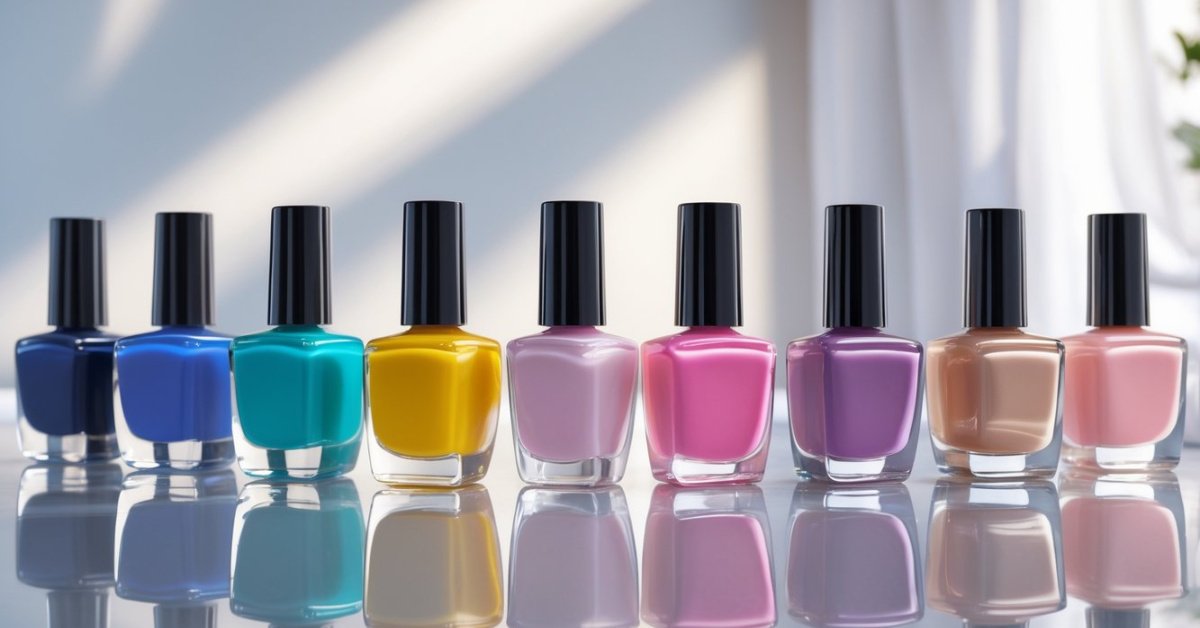
Nail infections can be a real pain, literally and figuratively. I’ve learned that keeping nails healthy isn’t just about looking good—it’s about preventing discomfort and more serious issues down the line. The good news is that with a few simple habits, you can protect your nails right at home.
I’ve found that understanding the basics of nail care helps me avoid infections before they start. Whether you’re prone to hangnails or just want to keep your nails strong and clean, small changes in your routine make a big difference. Let me share some easy tips that have worked for me to keep my nails healthy and infection-free.
Understanding Nail Infections
Knowing what causes nail infections helps protect nails, especially when using nail polish regularly. As a nail polish expert with decades running a salon, I’ve seen how proper care prevents issues and keeps nails looking fabulous.
Common Types of Nail Infections
Bacterial infections, fungal infections, and yeast infections rank as the most common problems.
- Bacterial infections create redness, swelling, and sometimes pus around the cuticles.
- Fungal infections cause thick, discolored, or brittle nails, often starting under the nail plate.
- Yeast infections lead to irritation and inflammation, usually around the nail edges.
Each type requires different care, so spotting them early avoids bigger problems.
Causes and Risk Factors
Cuticles damaged by aggressive polish removal or improper manicure techniques increase infection risk.
Moist environments, like sweaty gloves or wet hands, allow fungi and bacteria to thrive.
Nail polish staying on too long without breaks blocks air circulation, weakening nails and making them vulnerable.
Sharing nail tools is a common way infections spread between clients in salons or at home.
Certain health conditions such as diabetes or weakened immune systems also raise infection risks.
Knowing these factors helped me tailor salon services and recommend home care to keep nails healthy beneath every layer of polish.
Daily Habits to Prevent Nail Infections
Keeping nails healthy starts with daily care. Simple habits can stop infections before they begin and keep nails looking great under every coat of polish.
Proper Nail Hygiene Practices
I always recommend washing hands and nails thoroughly with soap and warm water. Dirt and bacteria hide under nails, so cleaning beneath them daily is key. I suggest avoiding harsh soaps that dry out skin and nails, which can lead to cracks where germs enter. Moisturizing cuticles with oils or creams prevents dryness and keeps the skin barrier intact, reducing infection risks. I remind clients never to share nail tools since that spreads bacteria and fungi easily. Using a clean buffer or file for each manicure maintains hygiene. Also, letting nails breathe by removing polish periodically stops moisture from trapping bacteria underneath.
Safe Nail Trimming Techniques
Trimming nails correctly avoids damage that invites infections. I cut nails straight across to prevent ingrown edges, then gently round corners with a file. Cutting too short or digging into corners causes cuts and tears, creating entry points for germs. I suggest trimming nails when they’re dry since wet nails split more easily. Using sharp nail clippers dedicated to your set reduces the chance of crushing or splitting. Regular trimming, about every one to two weeks, controls nail length and prevents dirt buildup, which contributes to infections alongside polished nails.
Home Remedies and Treatments
Protecting nails while enjoying nail polish starts with effective home care. I trust simple remedies and smart treatments to keep nails strong and infection-free under every color coat.
Natural Antiseptics for Nail Care
Lemon juice and tea tree oil work wonders as natural antiseptics for nail care. I soak my nails in diluted lemon juice for 5 to 10 minutes to reduce bacterial presence. Tea tree oil, known for antifungal properties, gets applied sparingly around the nail edges using a cotton swab once daily. Garlic paste, mixed with a little olive oil, also helps fight fungal growth when gently massaged into the cuticle area. These remedies maintain cleanliness without harsh chemicals, letting the polish shine on healthy nails.
When to Use Over-the-Counter Products
I recommend turning to over-the-counter antifungal creams or medicated nail treatments when natural options don’t resolve persistent redness, swelling, or discoloration. Products containing clotrimazole or undecylenic acid effectively target fungal infections early. Applying these treatments consistently for 2 to 4 weeks prevents worsening beneath polish layers. Always follow label instructions and keep nails dry between applications to maximize results and avoid irritation. If symptoms persist beyond a month, consulting a healthcare provider becomes crucial.
Tips for Maintaining Healthy Nails
Healthy nails create the perfect canvas for any nail polish look. I focus on keeping nails strong and infection-free to ensure polish lasts longer and looks better.
Moisturizing and Nail Care
Moisturizing nails and cuticles prevents dryness that leads to cracking and infections. I recommend applying cuticle oil or a hydrating lotion daily, especially after washing hands. Oils like jojoba or almond deeply nourish. Avoid harsh soaps that strip natural oils. When prepping nails for polish, gentle buffing removes dead skin without damaging the nail plate. Regular moisturizing keeps nails flexible and polish-friendly.
Avoiding Nail Trauma and Damage
Protect nails from trauma to prevent breaks and infections. I advise trimming nails straight across and smoothing edges with a fine file to avoid splits. Avoid using nails as tools or exposing them to harsh chemicals without gloves. Frequent polish changes can weaken nails if not done properly, so use gentle polish removers and give nails breaks to recover. Wearing gloves while doing housework protects nails from water and detergents, which soften nails and encourage infections. Keeping nails strong means your polish shines without interruption.
When to Seek Medical Attention
Recognizing when a nail infection needs professional care helps protect nails and overall health. Watch for signs like intense pain, swelling, or spreading redness around the nail bed. Persistent pus or discharge indicates a deeper infection that requires medical treatment. Notice if thickening, discoloration, or foul odor develops despite home care. Sudden color changes to dark brown or black under the nail, especially after trauma, demand prompt evaluation to rule out serious conditions.
Consult a healthcare provider if nail infections don’t improve within two to four weeks of proper home treatment. Chronic infections, particularly fungal ones, often require prescription medications to clear up fully. People with diabetes or weakened immune systems should seek medical advice at the first sign of nail issues, since infections can escalate rapidly.
I always encourage my clients to prioritize early intervention for nail health. When treating nail infections, timely medical care prevents complications and keeps nails strong, allowing you to enjoy beautiful polish without worry.
Conclusion
Taking care of your nails doesn’t have to be complicated. With a little attention and some simple habits, you can keep your nails healthy and infection-free right at home. I’ve found that consistency is key—whether it’s moisturizing daily or being mindful about hygiene.
Remember, your nails are a reflection of your overall health, so treating them gently goes a long way. If you ever notice something unusual, don’t hesitate to seek professional advice. Healthy nails make every manicure look better and give you confidence to show them off.