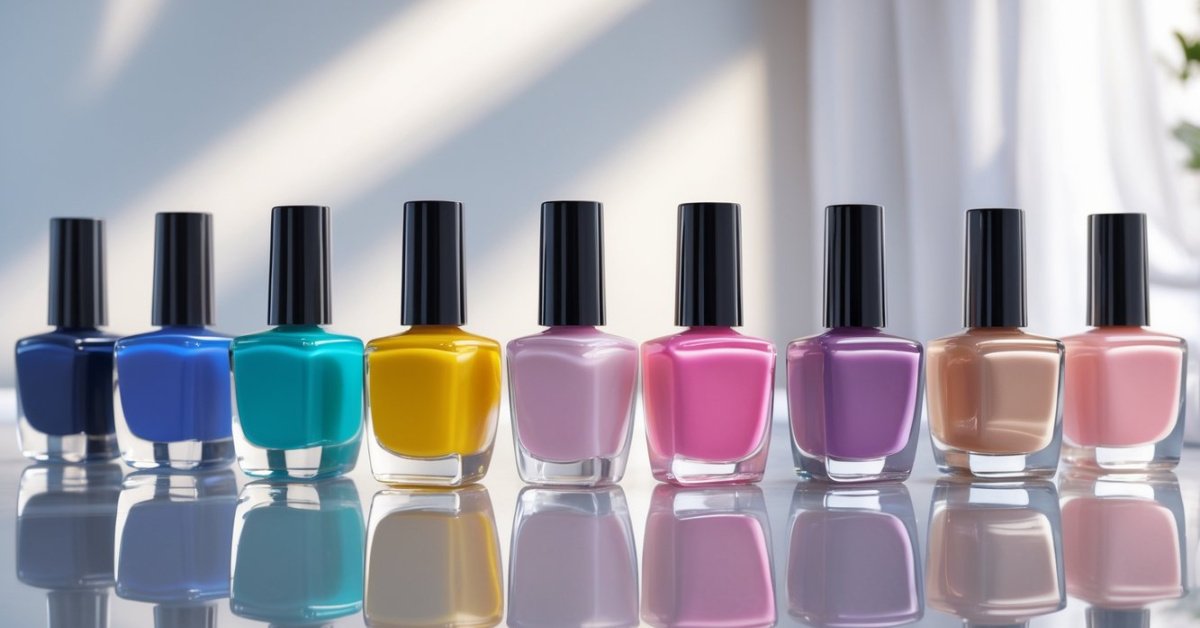
Nail biting can be a tough habit to break, but giving yourself a manicure can make a big difference. I’ve found that treating my nails with care not only helps them grow stronger but also keeps me motivated to stop biting. A simple manicure routine can turn your nails from ragged to radiant, even if you’re just starting to kick the habit.
Understanding Nail Biting and Its Effects
Nail biting impacts both nail health and appearance. Understanding the causes and consequences helps in tailoring a manicure routine that supports healing and growth.
Common Causes of Nail Biting
Stress ranks high as a trigger for nail biting, especially during anxious or tense moments. Boredom leads many to pick at their nails absentmindedly, often without realizing it. Habit often starts in childhood and becomes a repetitive behavior tied to comfort or nervous energy. Certain environmental factors, like frequent exposure to rough surfaces or nail imperfections, can encourage biting as well.
How Nail Biting Affects Nail Health
Biting damages the nail plate, causing uneven, weak nails prone to splitting and peeling. Cuticles suffer too, often appearing ragged and inflamed, increasing infection risks. Bacteria and germs transfer easily from fingers to mouth, raising health concerns. The skin around the nails may become sore, red, or swollen, slowing natural nail growth. Protecting and treating damaged nails with careful manicures encourages stronger, smoother nails ready for polish and care.
Preparing the Nails for a Manicure
Preparing nails properly sets the foundation for a beautiful, long-lasting manicure. For nail biters, this step supports healing and prevents further damage.
Cleaning and Sanitizing the Hands
I start by washing my hands thoroughly with warm water and a gentle soap. Removing dirt and oils ensures polish adheres smoothly to the nails. Next, I sanitize hands and nails using an alcohol-based sanitizer or a nail dehydrator. This step kills bacteria that tend to accumulate around bitten nails and under the cuticles. Keeping nails clean reduces the risk of infection and promotes faster healing, which is vital if you’re healing from nail biting damage.
Trimming and Shaping Damaged Nails
I use small, sharp nail clippers to trim off any ragged or uneven nail edges. Cutting nails straight across helps prevent snagging, which could tempt biting. Then, I gently file the edges with a fine-grit nail file to smooth any rough spots. Filing in one direction prevents splitting, which happens easily on damaged nails. For nail biters, shaping nails carefully restores a neat appearance and encourages healthier nail growth over time.
Techniques for Doing a Manicure on Nail Biters
Mastering manicure techniques for nail biters takes patience and precision. Each step supports healthier nails while boosting confidence in wearing polish.
Soothing Cuticle Care
Start by softening the cuticles with a gentle oil or cream rich in vitamins E and B5. Massage the product around the nail beds for 2-3 minutes, promoting circulation and hydration. Avoid cutting cuticles; instead, gently push them back with a wooden stick or soft rubber pusher. This reduces irritation and prevents infections. Consistent moisturizing preserves nail and skin health, especially when bite damage leaves edges rough. For sensitive skin, use hypoallergenic and fragrance-free products to calm redness and inflammation.
Applying Nail Treatments and Strengtheners
Apply a base layer designed for weak or damaged nails, preferably one with ingredients like keratin, calcium, or biotin. These compounds help rebuild nail structure, increase thickness, and reduce splitting. Use thin, even coats to avoid bulkiness and ensure faster drying. Follow two to three times weekly applications until noticeable improvement appears. Avoid harsh chemicals like formaldehyde and toluene that worsen brittleness. Incorporate anti-bacterial treatments as needed to combat infection risks from compromised nail beds.
Choosing the Right Nail Polish and Finishes
Pick nail polish formulas explicitly designed for sensitive, weak, or bitten nails—often labeled “nail health” or “strengthening.” Water-based polishes offer a less toxic alternative to traditional lacquers and reduce exposure to irritants. Opt for lighter shades or sheer finishes early on to hide uneven nail surfaces while adding a polished look. Matte finishes disguise ridges better but dry slower, so balance beauty and practicality. Seal the manicure with a durable topcoat featuring flexibility and chip-resistance to maintain shine and protect nails during growth phases. Reapply every 5–7 days to prolong wear and encourage nail recovery.
Tips to Prevent Future Nail Biting
Stopping nail biting means protecting the nails while making the habit unattractive. I’ve found that combining practical products with mindful routines delivers the best results for clients who want to keep their nails strong and polished.
Using Bitter-Taste Nail Polishes
I recommend bitter-taste nail polishes as a first line of defense. These polishes contain safe, unpleasant-tasting ingredients that discourage nail biting immediately. Applying one coat daily conditions the mouth to associate nail biting with a harsh taste, which reduces the urge over time. Brands like Mavala Stop and Cutex Bite Defense have proven effective in my salon, especially when layered under a favorite colored polish. Consistency in reapplying bitter polish every two to three days maintains the deterrent effect.
Building Healthy Nail Care Habits
Building healthy nail care habits supports long-term nail strength and beauty. I advise scheduling regular manicures every one to two weeks to maintain trimmed, filed, and moisturized nails. Keeping cuticles nourished with vitamin E oils prevents hangnails that tempt biting. Hydrating hand creams boost overall skin and nail health, creating nails that feel too beautiful to bite. Developing a mindful routine where you pause and apply polish or oil whenever you feel the urge creates a positive reinforcement cycle. With patience and attention, these habits replace biting with self-care.
Conclusion
Taking the time to care for your nails can be a powerful step toward breaking the nail-biting habit. I’ve found that treating my nails with patience and kindness not only helps them heal but also boosts my confidence to keep going.
Remember, it’s about celebrating small wins and enjoying the process of nurturing your nails back to health. With consistent care and a bit of determination, you’ll soon see your nails looking stronger and feeling healthier every day.