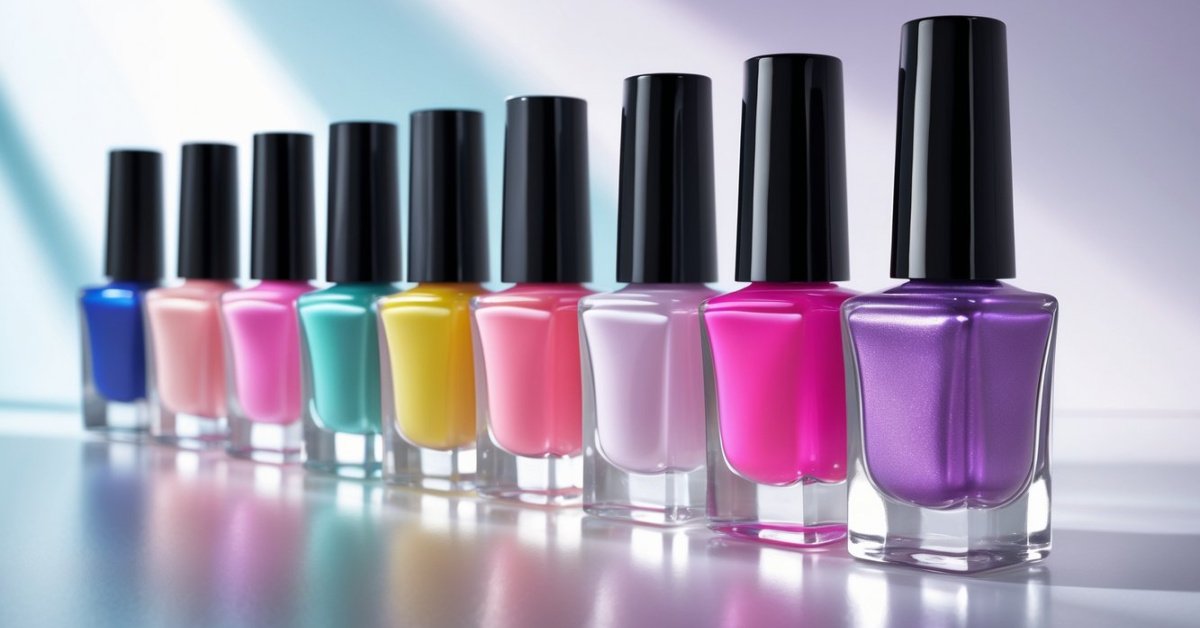
Walking into a nail salon should feel like a treat, not a worry. Over the years, I’ve learned that great nail art is only part of the experience—cleanliness and hygiene play a huge role in keeping both clients and technicians safe.
I’ve seen how simple habits like sterilizing tools and maintaining a tidy workspace can make a big difference. In this article, I want to share the best nail salon hygiene practices that every salon should follow. Whether you’re a regular or just curious, these tips will help you enjoy your manicure with peace of mind.
Importance of Hygiene in Nail Salons
Maintaining strict hygiene in nail salons protects both clients and technicians from infections and skin irritations. I’ve seen firsthand how poor sanitation leads to risks like fungal infections and bacterial diseases, which tarnish the beauty experience and cause lasting harm.
Sterilizing tools, such as clippers, brushes, and files, after every use creates a barrier against cross-contamination. Disinfecting surfaces regularly, including manicure stations and chairs, prevents germs from spreading in the salon environment.
Proper handwashing and wearing gloves during treatments reduce direct contact with potential pathogens. Using disposable items, like nail buffers and wooden sticks, adds an extra layer of cleanliness without compromising design quality.
Healthy nails and skin rely on these hygiene practices. If salons neglect cleanliness, even the most fabulous nail polish or artistic designs can’t hide the risks involved. My decades managing salons taught me that clients value striking nails as much as knowing their safety never gets compromised.
Key Hygiene Practices Every Nail Salon Should Follow
Maintaining impeccable hygiene in a nail salon keeps clients safe and elevates their experience. Over the years, I’ve found that following strict cleanliness routines builds trust and enhances every service.
Sterilization and Disinfection of Tools
Sterilizing tools after every use prevents the spread of infections like fungal or bacterial diseases. I rely on hospital-grade autoclaves that use high-pressure steam to sterilize metal instruments such as nail clippers, cuticle pushers, and scissors. For non-metal items like buffers and files, I always use single-use disposables to eliminate contamination risks. Disinfecting surfaces with EPA-approved solutions after each client ensures that workstations stay germ-free.
Proper Handwashing and Glove Use
Hand hygiene forms the backbone of infection control. I wash my hands thoroughly with antibacterial soap before and after each appointment. Wearing disposable gloves during treatments protects both clients and technicians; I change gloves between clients and whenever they become compromised. Encouraging clients to wash their hands before service adds an extra layer of safety.
Cleanliness of the Salon Environment
A clean salon environment contributes significantly to overall hygiene. I schedule regular deep cleanings that cover floors, chairs, sinks, and ventilation systems. All linens and towels get laundered after each use. Keeping nail polish bottles capped tightly and storing tools in sealed containers prevent dust and germs from contaminating products. Clear signage reminds my team and clients of hygiene protocols, reinforcing a culture of cleanliness.
Safe Handling and Disposal of Nail Products
Handling nail products with care ensures both client safety and salon quality. I always start by checking product labels for expiration dates and storage instructions to maintain effectiveness. Keeping nail polishes, gels, and removers tightly sealed prevents contamination and extends shelf life. Avoiding mixing old products reduces risks of chemical reactions that could harm skin or nails.
Disposing of used or expired products follows strict guidelines in my salon. For example, liquid waste like acetone goes into designated containers labeled for hazardous materials. Solid waste, such as cotton pads soaked with polish remover, gets sealed in bags before disposal to prevent environmental contamination. I train my staff to never pour chemicals down drains to protect plumbing and local water systems.
Using disposable applicators, like wooden sticks and foam buffers, eliminates cross-contamination between clients. Once used, these items go directly into a covered waste bin. I also keep open bottles of nail polish and gel away from direct sunlight and heat to avoid spoilage and chemical breakdown.
Proper ventilation during application and removal of products protects everyone from inhaling strong fumes. I install air purifiers and ensure salon windows open when possible to keep the environment fresh.
Following these safe handling and disposal practices safeguards health while supporting the beauty and fashion standards my clients expect.
Training and Certification for Salon Staff
I insist on thorough training and certification for every technician in my salon. Proper education in hygiene practices ensures every client receives safe and professional care. Licensing programs require knowledge of infection control, sanitation procedures, and product handling. Regular continuing education updates skills and reinforces the importance of hygiene in preventing cross-contamination and infections.
I require my staff to complete accredited courses covering sterilization techniques, proper use of personal protective equipment, and safe disposal of hazardous materials. Hands-on training with autoclaves and disinfectants builds confidence and competence. Certification proves this expertise and reassures clients about the salon’s commitment to health standards.
I also encourage ongoing workshops focusing on new products and best hygiene methods. Keeping up with industry changes means adapting to improved safety protocols. Well-trained and certified staff create an environment where beauty and cleanliness work hand in hand for an exceptional nail salon experience.
Customer Safety and Hygiene Tips
I insist on customers washing their hands before every appointment to reduce germs. I recommend you avoid nail salons that skip handwashing because bacteria can spread quickly. I always make sure my technicians change gloves between clients to maintain a sterile environment. I advise you to watch for disposable tools like nail files and buffers for single-use only.
I suggest checking if the salon uses hospital-grade sterilizers for metal tools since ordinary disinfectants don’t kill every germ. I’ve seen salons neglect this step, and that risks fungal infections or worse. I encourage clients to speak up if they notice unclean stations or reused implements—they deserve safety above all.
I know proper nail salon hygiene also means good ventilation. I keep air purifiers running and open windows to avoid chemical buildup during polish application or removal. I recommend salons do the same to protect their clients and staff from harmful fumes.
I confirm every product I use is in-date and stored correctly because expired polish or solvents lose effectiveness and can irritate skin. I tell customers to avoid places that don’t check labels or keep products messy. Cleanliness and freshness in the salon reflect true professionalism.
If you follow these safety tips, you’ll enjoy your nail polish experience confidently. I’ve maintained these practices in my salon for decades, blending beauty with health, because your well-being is as important as your style.
Conclusion
Keeping nail salons clean isn’t just about appearances—it’s about creating a safe space where everyone can relax and enjoy their pampering without worry. I’ve learned that even small hygiene steps make a huge difference in preventing infections and ensuring a positive experience.
Next time you visit a nail salon, don’t hesitate to ask about their cleanliness practices or speak up if something feels off. Your health and peace of mind are worth it. After all, beautiful nails shine brightest when they’re cared for in a safe and healthy environment.