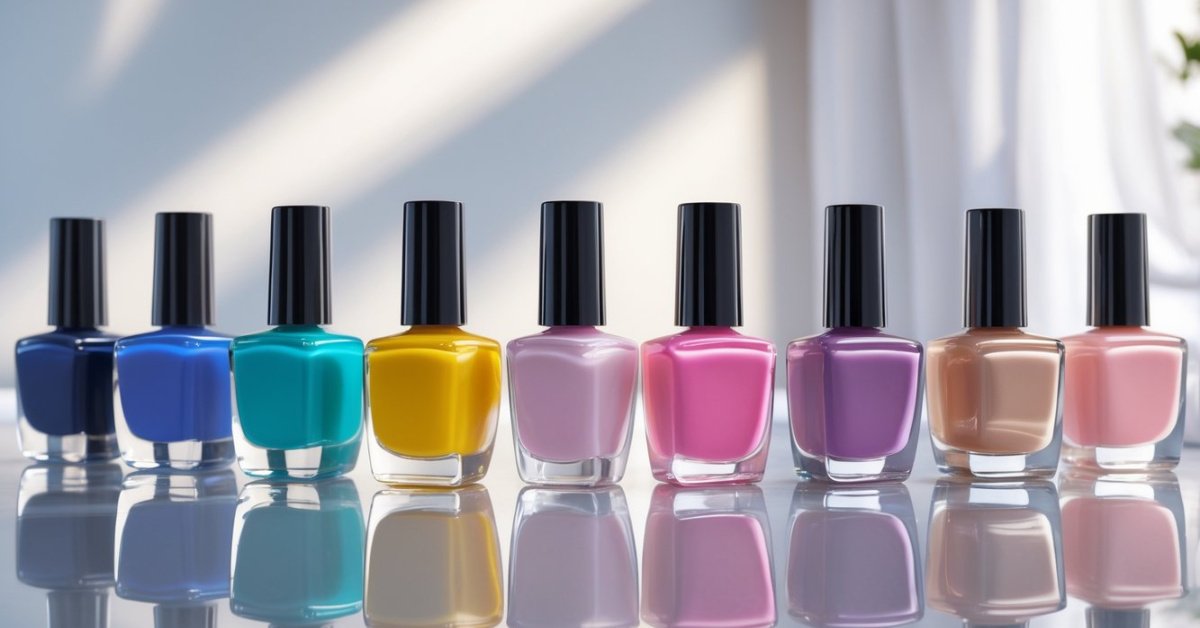
Mastering the art of applying nail extensions can really set you apart as a professional in the beauty industry. I remember when I first started, the process seemed a bit overwhelming, but with practice, it became one of my favorite services to offer. Nail extensions not only enhance the look of natural nails but also give clients a boost of confidence.
Understanding Nail Extensions
Nail extensions create a stunning foundation for any polish application. Knowing the types and tools involved helps deliver flawless, long-lasting results.
Types of Nail Extensions
Acrylic extensions remain popular for durability and shape control. Gel extensions offer a flexible, natural look that cures under UV or LED lamps. Silk or fiberglass wraps add strength through thin fabric layers over the nail. Prefabricated tips attach to the nail’s edge for quick lengthening and require blending for a seamless finish.
Tools and Products Needed
Essential tools include nail files and buffers to shape both natural nails and extensions. A nail primer prevents lifting by promoting adhesion. Acrylic liquid and powder or gel resin serve as the base materials. Brushes, tip cutters, and a UV/LED lamp (for gels) complete the kit. Using high-quality products ensures health safety and enhances the final appearance.
Preparing the Natural Nails
Preparing natural nails creates a strong foundation for applying extensions. I focus on thorough cleansing and precise shaping before any base treatments.
Cleansing and Shaping
Cleansing removes oils and residues that prevent extensions from adhering properly. I start by soaking nails briefly in warm water mixed with a gentle cleanser. Then, I use an alcohol wipe to ensure no moisture or oils remain.
Shaping nails comes next. I file edges to smooth rough spots and create a shape matching the client’s preference, whether almond, square, or oval. I always file in one direction to avoid splitting the natural nail. Pushing back cuticles gently with a wooden stick prevents lifting and improves adhesion.
Applying Base Treatments
Applying the right base treatments protects natural nails and enhances extension durability. I use a high-quality nail dehydrator to eliminate moisture completely. Then, I apply a primer designed for nail extensions, which bonds the natural nail with acrylic or gel. This step reduces the risk of lifting and ensures the extension stays secure longer.
Consistent base treatment application keeps natural nails healthy and sets the stage for flawless nail extensions.
Step-by-Step Application Process
Mastering the application process for nail extensions turns a basic skill into a refined art. Here’s how I approach every application for consistent, beautiful results.
Applying Nail Tips or Forms
Begin by selecting tips or forms that match the natural nail width and shape. Apply a small drop of glue to the tip’s edge, then press firmly onto the natural nail, aligning it for a seamless fit. Avoid excess glue to prevent lifting. If using forms, secure them snugly under the free edge, ensuring no gaps for smooth product application.
Building the Extension with Acrylic or Gel
Sculpt the extension by dipping your brush into monomer and acrylic powder or picking up the gel product. Apply the mixture evenly from the base to the tip, working in thin layers. Focus on a balanced apex for strength. When using gel, spread it smoothly to avoid lumps or air pockets. Perform each application in controlled strokes to build durability and natural curvature.
Curing and Shaping the Extensions
Cure gel extensions under a UV or LED lamp according to product specifications, typically 30-60 seconds per layer. Acrylic sets at room temperature but requires ample time to harden fully before shaping. File the extensions carefully using a medium-grit file, refining edges and smoothing surfaces. Seal with a buffer for a glossy finish, and remove dust with a brush or cloth to prepare for polish application.
Finishing Touches
Perfecting nail extensions requires attention to the smallest details. Finishing touches bring out the beauty and durability clients expect.
Applying Top Coat and Polish
Start by applying a high-quality top coat to seal the extension. Choose a gel or UV-cured top coat for maximum shine and long-lasting protection. Apply thin, even layers; thick coats risk uneven curing or peeling. Cure under a UV or LED lamp according to the product instructions. Next, select polish colors that fit your client’s style while considering the health of the nail. Use non-toxic, breathable polishes to maintain nail integrity. Apply two thin coats for full coverage, curing in between if using gel polish. A final top coat seals the color and prevents chipping, ensuring the nails stay flawless for weeks.
Nail Art and Design Options
Offer creative nail art to elevate the extensions further. Classic French tips or delicate floral designs remain popular choices. Incorporate intricate hand-painted details, Swarovski crystals, or metallic foils for a customized look. Use quality brushes and pigments designed for gel or acrylic surfaces to ensure designs last. Encourage clients to express individual style while maintaining nail health. For lasting results, finish with a durable top coat to protect the design and add a professional shine.
Common Mistakes and How to Avoid Them
Applying nail extensions demands precision and care to deliver beautiful, lasting results. I’ve seen many professionals struggle with avoidable errors that undermine the quality of their work, but you can steer clear of these pitfalls with the right approach.
Troubleshooting Lifting and Breaking
Lifting and breaking usually stem from poor nail preparation or incorrect application. I always start with thorough cleansing to remove oils and debris since any residue causes poor adhesion. Filing only in one direction keeps the nail surface smooth and intact, preventing premature lifting. Applying primer correctly seals the natural nail, creating a perfect base for extensions.
Using too much glue or layering acrylic or gel unevenly leads to weak spots that crack or break under pressure. I focus on building a balanced apex, which reinforces strength without adding bulk. If lifting appears, it often happens because I neglected curing time or the client used harsh chemicals too soon after application. Recommending client aftercare, like avoiding acetone or heavy scrubbing, protects the extension’s durability.
Ensuring Long-Lasting Results
Consistent longevity depends on each step’s quality and product choice. I only work with premium materials known for their bonding power and flexibility. Proper shaping and filing prevent stress points on the extension edges, which causes chipping over time. Applying a breathable, non-toxic top coat seals in the design and guards against water and dirt infiltration.
I advise clients to schedule fills every 2-3 weeks, as neglecting maintenance leads to lifting and breaks that ruin the look. Advising gentle care — like wearing gloves during chores and moisturizing cuticles — keeps nails healthy and supports the extended enhancements.
Through attention to detail and quality products, every set of nail extensions can impress with beauty and durability that lasts.
Conclusion
Mastering nail extensions has truly transformed the way I approach my work. It’s a skill that not only elevates the client’s experience but also allows me to express creativity and precision.
With patience and practice, anyone can perfect this art and offer beautiful, durable results that keep clients coming back. Remember, attention to detail and quality products make all the difference in achieving professional finishes.
I hope you feel inspired to refine your technique and enjoy the rewarding process of creating stunning nail extensions.