I’ve always been fascinated by the stunning swirls and patterns of water marble nail art. It’s like turning your nails into tiny canvases with unique, mesmerizing designs every time. The best part? You don’t need to be a professional to create these eye-catching looks.
Water marbling might seem tricky at first, but once you get the hang of it, it’s a fun and creative way to express yourself. I’m excited to share some simple tips and tricks that helped me master this technique without the mess and frustration. Whether you’re a nail art newbie or just looking to try something new, this guide will walk you through the basics step-by-step.
What Is Water Marble Nail Art?
Water marble nail art produces unique patterns by dropping nail polish onto a water surface, then swirling it into designs. I’ve used this technique in my salon for decades, and it creates eye-catching effects that no other method matches.
The process starts with a bowl of room-temperature water. I drop different polish colors carefully onto the water, each spreading out into thin layers. Using tools like toothpicks or needles, I drag through the polish to form patterns such as swirls, flowers, or stripes. After creating the design, I dip the nail directly into the water to pick up the pattern on its surface.
Water marble nail art combines creativity with technique. It works best with polish formulas that spread well on water, usually thinner ones. The result is a glossy, multi-colored design that looks intricate but doesn’t require advanced skills. It’s a favorite among my clients who want high-impact, custom nail looks without salon prices.
Materials Needed for Water Marble Nail Art
Creating stunning water marble designs starts with gathering the right materials. Using quality products makes the process smoother and the results more vibrant.
Nail Polishes Suitable for Water Marbling
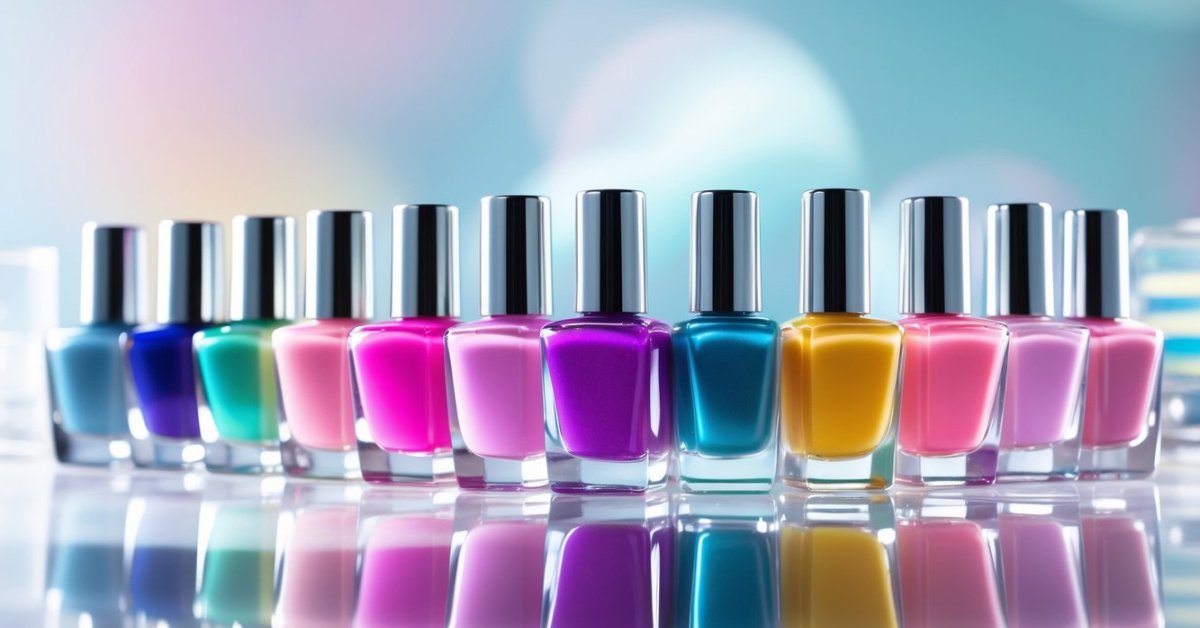
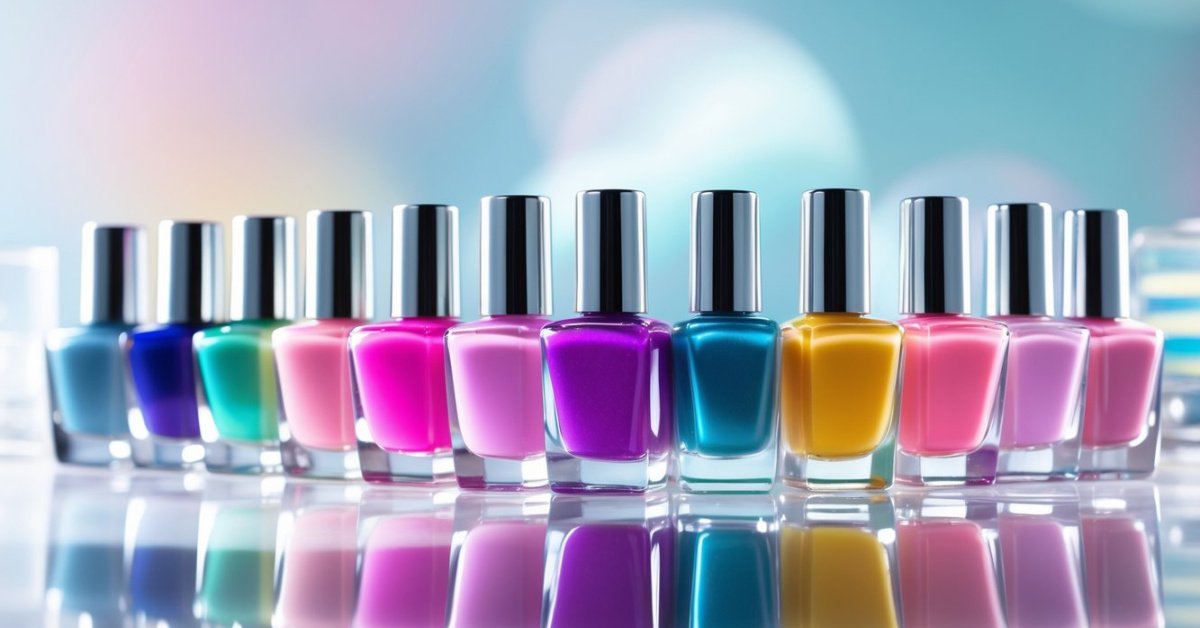
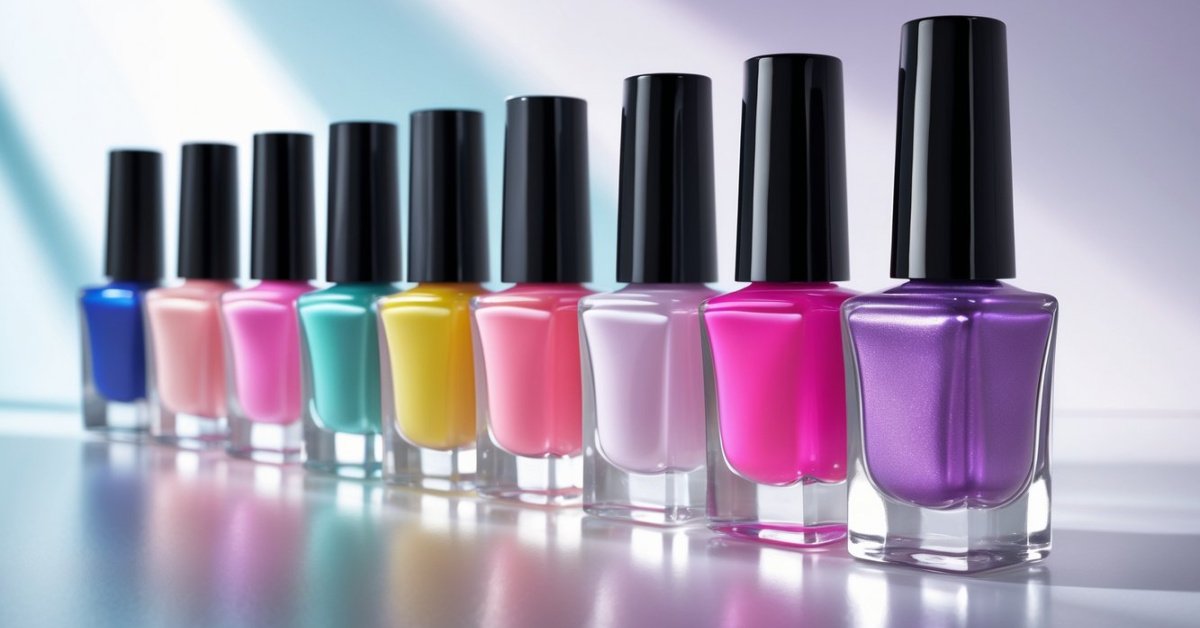
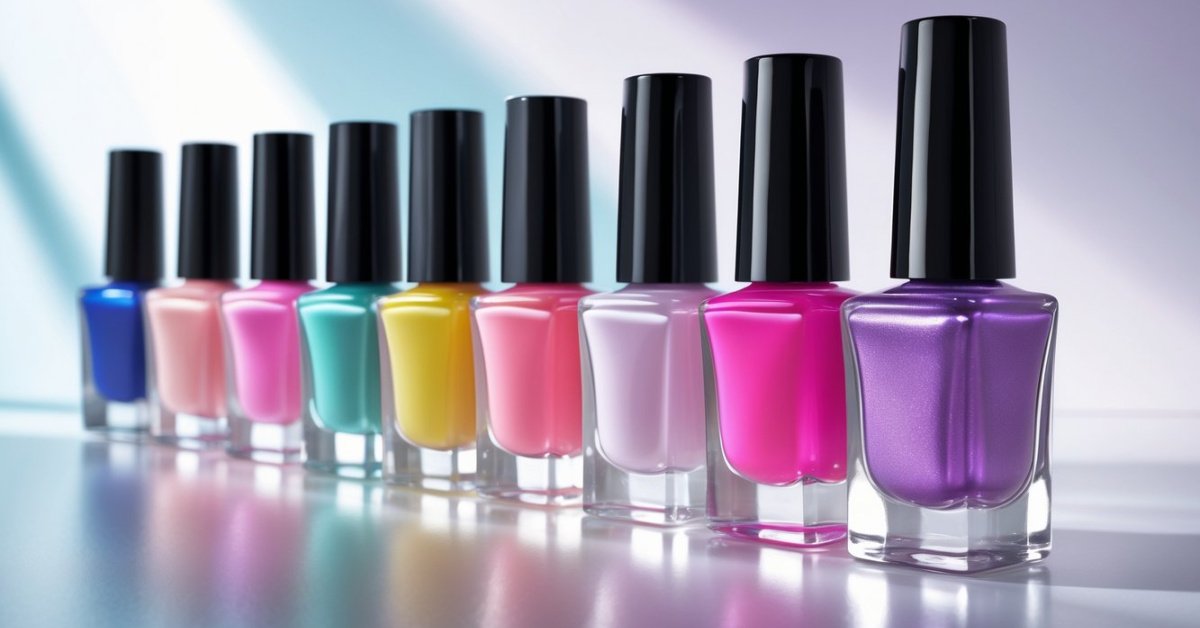
Choosing the right nail polishes sets the foundation for beautiful water marble art. I recommend these types:
- Thin, water-friendly polishes like OPI Infinite Shine or Essie Expressie, which spread easily on water.
- High-pigment colors to ensure bold, eye-catching patterns.
- Quick-dry formulas help prevent smudging during the dipping process.
- Classic shades such as white, black, and pastels work well as base colors or contrast shades.
Avoid thick or gel polishes because they tend to clump or fail to spread on the water surface.
Additional Tools and Supplies
Having the right tools simplifies water marble application and keeps the process tidy. Essential items include:
- A clean, wide cup or bowl filled with room temperature filtered water to create your designs.
- Toothpicks or fine detailing sticks for swirling colors and shaping patterns.
- Tape or liquid latex barriers to protect skin around nails from excess polish.
- Base coat and fast-drying top coat to boost durability and shine.
- Cotton swabs and nail polish remover for quick cleanup of stray polish.
- Paper towels or lint-free wipes to keep your workspace clean.
These supplies complement good polish choices and help me deliver flawless water marble nails for clients every time.
Step-by-Step Guide on How to Do Water Marble Nail Art
Mastering water marble nail art takes practice and care, but it becomes easier with the right approach. Here’s how I guide clients and beginners through creating these stunning designs.
Preparing Your Nails
Start with clean, dry nails. I recommend filing and shaping nails to your preferred style, then applying a base coat to protect your natural nails. Use a light-colored polish, like white or pale pink—the contrast helps the marble colors pop. Let the base coat and polish dry completely before moving on.
Creating the Marble Design in Water
Fill a small bowl with room-temperature filtered water. Choose three to five thin, quick-dry polish colors that spread well, such as OPI Infinite Shine or Essie Expressie. Drop one polish color at a time into the center of the water surface, allowing each to spread out in rings. Use a toothpick to gently swirl the colors into your desired pattern. Work efficiently, as the polish dries quickly on the water’s surface.
Transferring the Design onto Your Nails
Dip your finger slowly into the water, nail side down, through the marble design. Keep your finger steady to prevent smudging. Use a clean toothpick to remove excess polish from the water’s surface before pulling your finger out. Repeat for each nail, re-creating the marble pattern if needed for each dip.
Cleaning Up and Finishing Touches
Remove any polish on your skin or cuticles using a cotton swab dipped in nail polish remover or an orange stick. If you used tape or liquid latex as a barrier, gently peel it off. After your nails dry, apply a top coat to seal the design and add shine. This step enhances durability and keeps your water marble nails looking fresh longer.
Tips and Tricks for Perfect Water Marble Nails
Start by choosing thin, high-quality polishes with fast-drying formulas like OPI Infinite Shine or Essie Expressie. Thick or old polish clumps on the water surface and ruins the pattern. Use room-temperature, filtered water to prevent bubbles and ensure smoother designs. Tap water often contains minerals that interfere with polish spreading.
Apply a peel-off liquid latex or tape around your nails before dipping to protect your skin and speed up cleanup. Patience shows in your results—drop polish slowly and let each layer expand before adding the next. Swirl patterns gently using a toothpick or fine detail brush, avoiding over-manipulation to keep lines sharp.
Dip your nails straight into the water without tilting to pick up the design evenly. Use a Q-tip to clear excess polish from the water surface immediately after each dip before removing your finger. Work on one nail at a time to keep polish fresh and prevent drying on the water’s surface.
Seal your design with two thin coats of a fast-drying topcoat to prevent chipping and enhance shine. Wait a minute between coats for the best results. Finally, practice consistently—each attempt improves your control, and experimenting with colors expands your creative possibilities in water marble nail art.
Common Mistakes to Avoid
Skipping the base coat weakens polish adhesion and shortens wear time. Applying a base coat creates a smooth surface essential for vibrant water marble designs.
Using thick or old polish clogs the water surface and ruins patterns. I always recommend thin, fresh formulas like OPI Infinite Shine to ensure clean color spreads.
Dropping polish too fast causes large blobs instead of delicate rings. I suggest tapping polish slowly onto the water to form precise concentric circles.
Swirling colors too vigorously blurs patterns beyond recognition. Gentle, controlled movements with a toothpick preserve sharp details and create stunning effects.
Not protecting skin around nails leads to tough cleanup. Applying liquid latex or tape before dipping nails in water prevents polish from sticking to cuticles.
Dipping nails at an angle pulls in extra polish and distorts the pattern. I dip straight down for the cleanest transfer and avoid smudging.
Waiting too long between dips dries the polish on water, making designs hard to lift. I dip nails promptly once the pattern looks perfect.
Neglecting top coat reduces shine and durability. Two thin layers of a fast-drying top coat lock in the design and protect against chips.
Cleaning excess polish late complicates the process. I clean around nails immediately after each dip to keep lines crisp and hands tidy.
Ignoring nail preparation affects polishPerformance. Filing, buffing, and ensuring dry, oil-free nails enhance polish grip and final results.
Conclusion
Water marble nail art is such a fun way to express creativity right at home. Once you get the hang of the swirling and dipping, it feels like a little magic every time your nails come out with those unique patterns.
Don’t worry if your first tries aren’t perfect—practice really does make a difference. Plus, experimenting with different colors and designs keeps it exciting. I hope you enjoy the process as much as I do and find your own style in this beautiful technique.