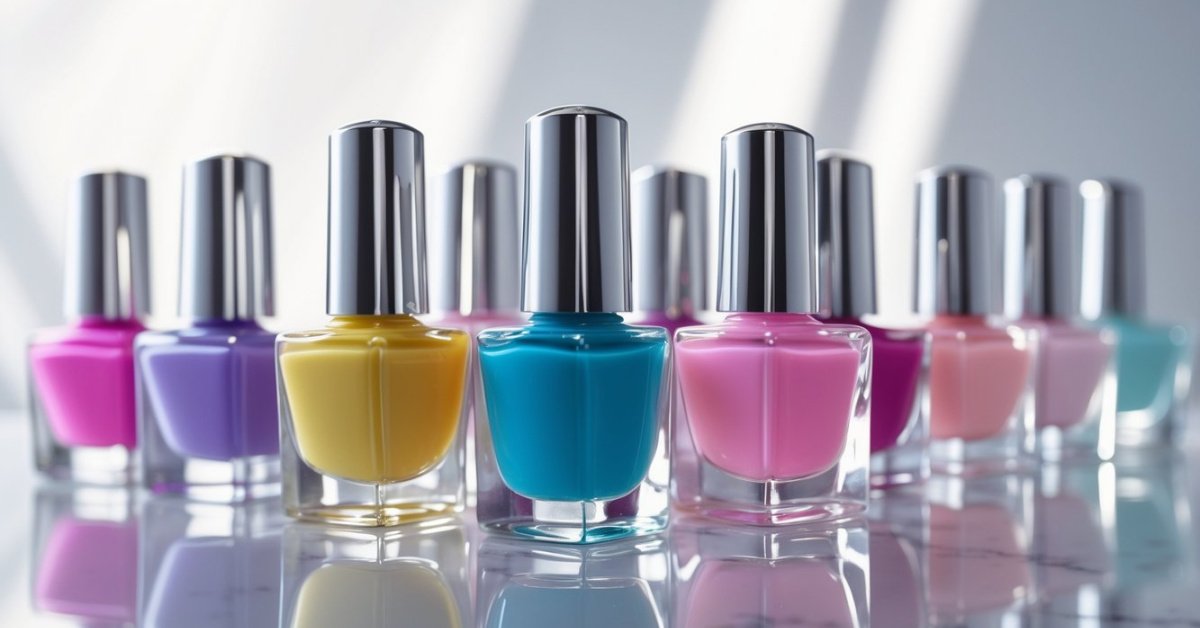
Nail jewelry has become a dazzling trend that adds a unique sparkle to our fingertips. But its story goes way beyond modern fashion—it’s a fascinating journey through time and culture. I’ve always been curious about how this tiny art form evolved from simple adornments to the intricate designs we see today.
As I dug deeper, I discovered nail jewelry reflects more than just style—it tells stories about identity, status, and creativity across different eras. Join me as I explore the rich history behind these little gems that have transformed nails into miniature canvases of expression.
Origins of Nail Jewelry
Nail jewelry has fascinated me for decades, revealing how nails become more than just a beauty detail—they tell stories of culture and artistry. Exploring its origins shows how nail adornment evolved alongside nail polish, blending health, beauty, and fashion.
Early Cultural Practices
Ancient civilizations prioritized nails as markers of status and personality. In China, around 3000 BC, royalty used gold and silver nail covers to showcase power. Egyptians decorated nails with henna, linking beauty rituals to spiritual beliefs. The Mayans and Aztecs incorporated nail painting into ceremonial practices, blending aesthetics with cultural significance.
Materials and Techniques Used
Traditional nail jewelry combined natural materials and metalwork. People used gold, silver, gems, and lacquer to craft nail caps, rings, and adhesive designs. Lacquer, one of the earliest nail polish forms, doubled as a base for attaching tiny decorative elements. Techniques like carving and inlaying enhanced visual appeal while protecting nails, setting foundations for modern nail art practices.
Evolution Through the Ages
Nail jewelry has shifted dramatically over time, blending cultural influences with changes in fashion. My experience in the nail industry shows that understanding these shifts deepens appreciation for nail polish and adornment as forms of expression.
Influences From Different Regions
Ancient China set early trends with gold and silver nail covers worn by emperors. In Egypt, henna-based nail coloring linked beauty to spiritual health. Mayan and Aztec ceremonies highlighted nails as symbols of identity and status. Across Asia, lacquer techniques spread, adding glossy, durable finishes. European styles borrowed Eastern motifs while introducing intricate metal nail caps. These regional influences shaped the tools, materials, and designs that modern nail artists build upon every day.
Changes in Fashion Trends
The 20th century introduced mass-produced nail polish in bright colors, shifting emphasis from nails as jewelry to vibrant palettes. The 1920s and ’30s favored bold reds and deep crimsons, while the ’60s embraced psychedelic patterns and rhinestones. The ’90s brought minimalism with nude tones, pairing simplicity with small metallic accents. Today’s styles combine health-conscious formulas and elaborate 3D nail art, reflecting personal style and wellness. My salon clients often choose colors and decorations that mirror their mood, lifestyle, and personality, continuing the long tradition of nails as miniature canvases.
Modern Nail Jewelry Trends
Nail jewelry has evolved rapidly in recent years, reflecting new tastes and innovations in the beauty industry. As a nail salon owner with decades of experience, I’ve seen how these trends blend artistry and health with fashion.
Popular Styles and Designs Today
Trends focus on personalization and statement pieces. Popular styles include:
- 3D Embellishments such as tiny crystals, pearls, and metallic studs that add depth and sparkle.
- Minimalist Metallics featuring gold or silver foil accents for a subtle gleam.
- Mixed Media combining polish with rhinestones, charms, and even tiny chains.
- Geometric Patterns using sharp lines and bold colors to create modern looks.
- French Manicure Reinvented with colored tips or glitter replacing classic white.
These styles let clients show personality while staying elegant and trendy.
Technological Advancements in Nail Art
Technology transformed nail art from simple brushwork to intricate designs. Key advancements include:
| Technology | Feature | Benefits |
|---|---|---|
| Gel and Shellac Polish | Durable, glossy, quick-drying formulas | Long-lasting, healthy nail protection |
| UV/LED Lamps | Cure polishes rapidly | Less damage, faster salon services |
| Nail Printing Machines | Precise, complex patterns printed on nails | Custom designs without hand-painting |
| 3D Nail Art Tools | Molds and printers for creating textured jewels | Consistent, detailed embellishments |
These innovations allow health-focused clients to enjoy safe, beautiful nail jewelry with professional finish and minimal damage. I’ve embraced these tools to deliver quality and style every day.
The Cultural Significance of Nail Jewelry
Nail jewelry carries deep cultural meanings beyond mere decoration. Its role in society has evolved to represent identity, status, and artistry. Understanding this helps appreciate nail polish not just as beauty but as a cultural statement.
Symbolism and Meaning
Symbols in nail jewelry go back thousands of years. Royals in ancient China wore gold nail guards to signal power and wealth. In Egypt, henna-stained nails tied to spiritual beliefs marked important life events or rituals. Tribal communities used colors and designs to indicate social ranks or achievements. Nails tell stories of personality and status, reflecting cultural values. Today, nails still signal mood, beliefs, and creativity through color choices and embellishments.
Nail Jewelry in Pop Culture
Pop culture breathes new life into nail jewelry traditions. Celebrities and influencers showcase elaborate nail art that sparks global trends. Music videos, movies, and fashion shows highlight nails as statement pieces. Nail polish brands collaborate with pop stars to design collections that blend style and personal identity. Social media platforms share tutorials and inspire diverse looks, making nail jewelry an accessible art form. This mainstream visibility encourages self-expression and innovation in nail beauty, continuing the cultural legacy I’ve seen grow through decades at my salon.
Conclusion
Nail jewelry has always fascinated me because it’s more than just decoration—it’s a form of storytelling. Each design carries a bit of history, culture, and personal flair that connects us to the past while expressing who we are today.
I love how this tiny canvas continues to evolve, blending tradition with modern creativity and technology. Whether simple or elaborate, nail jewelry remains a unique way to celebrate individuality and artistry. It’s exciting to think about where this trend will go next!