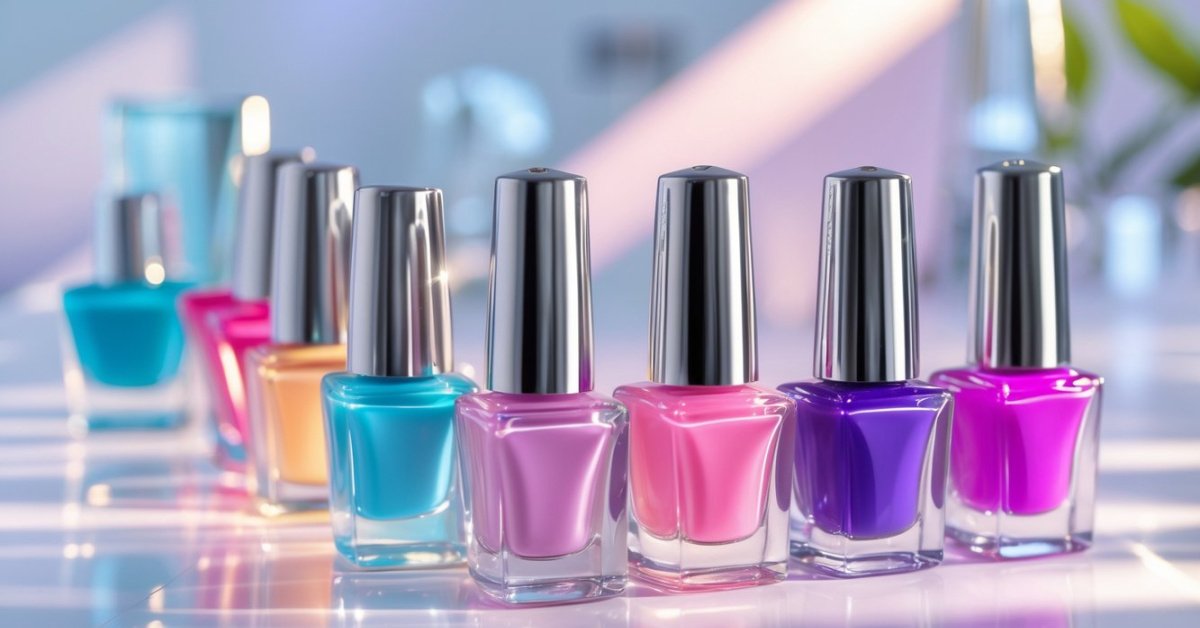
I’ve always loved how floral nail art adds a fresh and playful touch to any look. It’s amazing how a few simple petals and colors can turn plain nails into little works of art. Whether you’re heading to a party or just want to brighten your day, floral designs never go out of style.
Understanding Floral Nail Art
Floral nail art blends creativity with elegance, making it a favorite among nail enthusiasts. Knowing the popular styles and tools behind these designs helps create beautiful, lasting results.
Popular Floral Nail Art Styles
I see many floral styles in my salon, each bringing a unique flair:
- Minimalist florals: Tiny petals or buds painted with fine detail suit those who like subtlety.
- Bold blooms: Large flowers with vibrant colors grab attention and work well for special events.
- Watercolor effects: Soft, blended petals mimic the look of watercolor paintings for a delicate finish.
- 3D floral accents: Raised designs using acrylic or gel give nails texture and dimension.
Each style adapts to different moods and outfits, keeping floral nail art fresh and versatile.
Essential Tools and Materials
Achieving crisp floral designs depends on having the right tools:
- Fine detail brushes: Thin brushes allow precise petal shapes and intricate lines.
- Dotting tools: These create uniform flower centers or accent dots easily.
- Quality nail polishes: Choose polishes with smooth formulas and vibrant pigments.
- Base and top coats: They protect nails and seal designs for durability.
- Acrylic paints: Ideal for detailed free-hand work since they dry quickly and offer good control.
- Nail art stamping kits: Helpful for replicating complex floral patterns with ease.
Using these tools and materials delivers professional-looking floral nails that last longer and stand out.
Preparing Your Nails for Floral Art
Proper nail preparation ensures your floral designs look flawless and last longer. I focus on clean, smooth nails as the perfect canvas for vibrant floral art.
Nail Care and Base Preparation
Start by gently trimming and shaping your nails with a quality nail clipper and file. I recommend a soft, rounded shape that complements floral patterns. Next, push back the cuticles carefully using a cuticle pusher after soaking your hands in warm water for 5 minutes. This softens the skin without causing damage. Then, buff the nail surface lightly to remove ridges and create a smooth base. Make sure to clean your nails with nail polish remover or rubbing alcohol to eliminate oils and residues. This step prevents lifting and chipping, essential for detailed floral designs. Finally, moisturize your hands and cuticles, but avoid applying lotion directly before painting to keep polish adherence strong.
Choosing the Right Base Color
Selecting the perfect base color sets the tone for your floral nail art. I often advise starting with neutral tones like soft beige or pale pink for delicate florals. For bold flowers, vibrant bases such as pastel blues or creamy whites enhance color contrast. Always use a high-quality base coat to protect your nails from staining and to smooth imperfections. Make sure the base color is fully dry before starting your floral designs to avoid smudging. Using the right base color balances aesthetics with durability, making your floral art pop with elegance and charm.
Step-by-Step Guide on How to Create Floral Nail Art
Mastering floral nail art starts with simple steps that bring beauty and style to your fingertips. I share my expert techniques to help you create stunning designs that last.
Designing Simple Floral Patterns
Begin by applying a smooth base coat and letting it dry completely. Paint your nails with the chosen base color—light pastels work best for delicate flowers, while bold shades suit vibrant blooms. Use a small brush or toothpick to create five small dots in a circle, forming petals. Connect the dots lightly to outline each petal’s shape. Add a dot in the center with a contrasting color for the flower’s core. Keep your strokes steady and practice on a nail wheel if possible to build confidence.
Adding Details and Accents
Once the base floral design dries, enhance it with subtle details. Thin lines gently extending from the petals mimic veins and add dimension. Adding tiny leaves in various green shades beside the flowers creates a natural effect. For a touch of sophistication, apply tiny white dots around the flowers as accents. Use acrylic paint or polish with a fine brush for precise work. Always wait for each layer to dry before continuing to avoid smudging.
Tips for Using Nail Art Brushes and Dotting Tools
Hold your brushes and dotting tools with a relaxed grip to control pressure and movement. Load your brush with minimal polish to prevent blobs and allow fine detailing. Use dotting tools of different sizes: the largest for petals, medium for flower centers, and the smallest for accents like dots or veins. Clean tools between colors with nail polish remover to keep designs crisp. Practice steady hand movements; resting your wrist on a flat surface improves control significantly.
Creative Ideas and Inspiration for Floral Nail Art
Exploring creative floral nail art expands your style options while keeping your nails fresh and stunning. Drawing on decades of salon experience, I share ideas that blend beauty and fashion in ways anyone can master.
Seasonal and Trendy Floral Designs
Spring blossoms, summer daisies, fall chrysanthemums, and winter poinsettias offer endless inspiration. I recommend picking flowers that reflect the season’s mood:
- Spring: Cherry blossoms, tulips, soft pastels
- Summer: Sunflowers, hibiscus, vibrant yellows and reds
- Fall: Marigolds, warm oranges, deep reds and browns
- Winter: Poinsettias, snowflake-like petals in whites and silvers
Balancing these seasonal hues with trending nail polish finishes—matte, glossy, or shimmer—keeps nails aligned with current fashion. For example, combining a matte base with glossy floral tips creates subtle contrast that stands out.
Combining Floral Art with Other Nail Techniques
Mixing floral designs with techniques like ombré, glitter overlays, or negative space adds dimension and personality. I often layer delicate hand-painted flowers over an ombré gradient to add depth. Glitter accents on flower centers brighten the look without overpowering.
Negative space, where parts of the natural nail show through, pairs well with minimalist floral patterns. This technique enhances the flower’s delicate beauty and lends a modern touch. Using stamping kits alongside freehand painting speeds up the process and keeps details crisp for clients they adore.
These combinations push floral arts from simple to sophisticated, letting you customize as much as your creativity allows.
Maintaining and Removing Floral Nail Art
Maintaining floral nail art preserves its beauty and extends its life. Removing it safely protects natural nails from damage.
Top Coats and Nail Protection
Applying a top coat seals floral designs and adds shine. I apply a thin layer every two to three days, ensuring nails stay glossy and protected from chips or fading. Choosing a top coat with strengthening ingredients benefits weak nails and helps prevent peeling. Avoiding harsh chemicals in nail products reduces dryness and maintains nail health. Wearing gloves during chores shields nail art from wear and prevents exposure to water and cleaning agents that weaken polish.
Safe Removal Techniques
Using an acetone-based remover dissolves polish effectively, but overuse can dry out nails. I recommend soaking cotton pads with remover and holding them on nails for 2 to 3 minutes, then gently wiping away polish without scraping hard. For stubborn designs like 3D flowers, gently softening the polish before removal prevents nail damage. After removal, applying cuticle oil and moisturizer restores hydration and supports nail growth. Avoid peeling or picking at nail art to keep natural nails strong and smooth.
Conclusion
Floral nail art is such a fun way to express creativity and add a touch of elegance to your look. With a little practice and the right tools, anyone can create beautiful designs that brighten up any day. I love how versatile floral patterns are—they can be soft and subtle or bold and eye-catching depending on your mood.
Taking care of your nails before and after painting makes all the difference in keeping your art looking fresh and lasting longer. Remember, the key is to enjoy the process and not be afraid to experiment with colors and styles. Trust me, once you start, floral nail art can become your favorite little hobby!