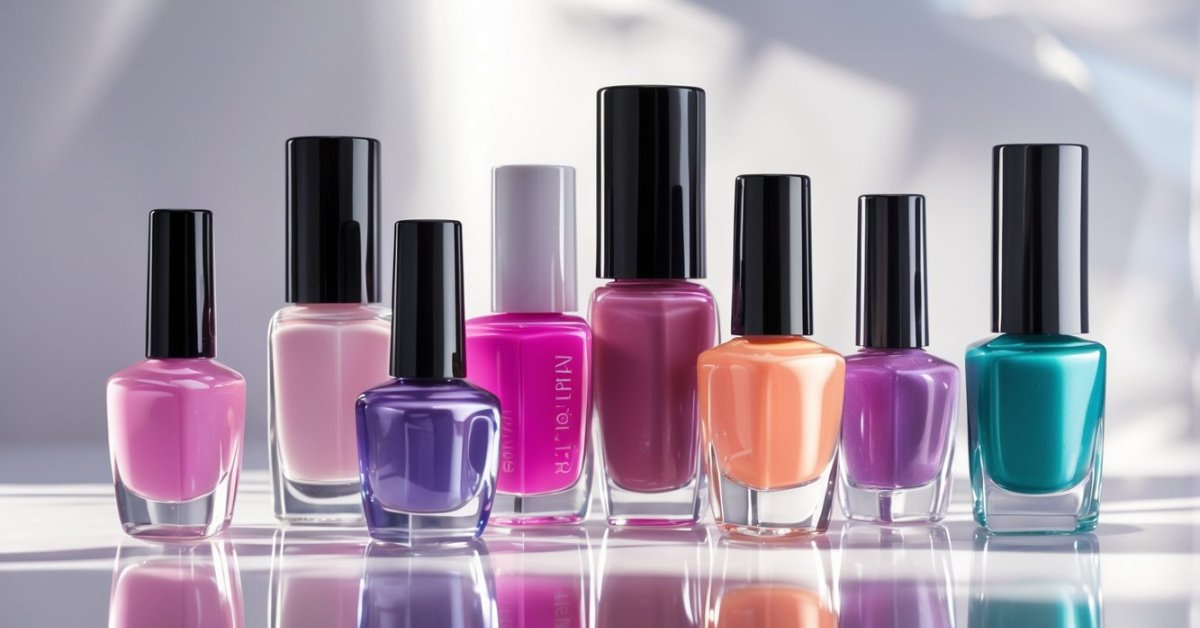
I’ve always found painting my nails to be a fun way to express myself, but getting that perfect polish look can be tricky. Whether you’re a beginner or just want to improve your technique, knowing the right steps makes all the difference.
Understanding Nail Polish Basics
Mastering nail polish starts with knowing the essentials. That knowledge guides every step toward a flawless finish.
Types of Nail Polishes
Choosing the right polish depends on your style and needs. Here are the main types I recommend:
- Regular Polish: Offers a wide range of colors and finishes but lasts about 3 to 7 days. Ideal for seasonal color changes.
- Gel Polish: Cures under UV or LED light, providing up to 2 weeks of chip-resistant wear. Perfect for a durable, shiny look.
- Matte Polish: Dries to a flat finish without shine, adding a modern twist to classic colors.
- Quick-Dry Polish: Sets faster than regular polish, great for busy schedules but may sacrifice some durability.
- Breathable Polish: Allows air and moisture to pass through, supporting nail health if worn long term.
Understanding these options helps tailor your polish choice to your lifestyle and preferences.
Essential Tools Needed
Creating salon-quality nails requires a basic toolkit. I keep these on hand for every application:
- Nail File and Buffer: Shapes nails and smooths ridges for an even surface.
- Cuticle Pusher and Nipper: Prepares the nail bed properly by gently pushing back and trimming excess cuticles.
- Base Coat: Protects nails from staining and extends polish wear.
- Top Coat: Seals color and adds shine or matte finish, improving longevity.
- Nail Polish Remover: Removes old polish efficiently, preferably acetone-free to maintain nail strength.
- Clean-Up Brush or Cotton Swabs: Cleans edges to perfect your manicure.
Using each tool carefully enhances polish application and overall nail health.
Preparing Your Nails for Polish
Preparing nails properly sets the foundation for a flawless, long-lasting manicure. I focus on cleanliness and strong nails before applying any polish.
Cleaning and Shaping Nails
Start by removing old polish with a gentle, acetone-free remover to protect your nails. Wash hands thoroughly to eliminate residue and oils. Next, shape nails with a fine-grit file, working in one direction to prevent splitting. I prefer a soft oval or square shape to complement most styles while maintaining nail health. Use a cuticle pusher to gently push back cuticles after soaking your fingers in warm water for a few minutes; avoid cutting cuticles to reduce infection risk. Dry nails completely before moving on.
Applying a Base Coat
Applying a base coat is essential for protecting nails from staining and improving polish adherence. Use a thin, even layer, covering the entire nail surface and edges. I always recommend a nourishing base coat enriched with vitamins or strengthening ingredients to boost nail health. Let the base coat dry fully to ensure the next polish layer applies smoothly and lasts longer.
Step-by-Step Guide on How to Apply Nail Polishes
Applying nail polish is an art that gets easier with practice and the right method. I’ll walk you through each step to achieve a smooth, vibrant finish like you’d get at a top salon.
Applying the First Coat
Start by dipping the brush into the polish, removing excess on the bottle’s rim to avoid clumps. Begin with a stroke down the center of the nail, followed by one on each side, covering the entire nail surface evenly. Keep strokes steady and avoid flooding cuticles. If polish touches skin, clean it up immediately with a small brush dipped in remover. Allow the first coat to dry fully before moving on to the next.
Applying the Second Coat
Apply the second coat using the same brush technique for richer color and better coverage. Use thin, even strokes starting again at the nail’s center and moving outward. Two coats usually deliver optimal depth without thick buildup, which leads to quicker drying and less smudging. Wait until this coat dries completely before any further steps.
Tips for Even Application
- Use thin layers rather than thick ones to promote faster drying and fewer streaks.
- Keep your hand steady by resting your pinky finger on a surface during application.
- Choose good-quality polish with a balanced formula for smooth spreading.
- Avoid shaking polish bottles vigorously to prevent bubbles; roll the bottle between palms instead.
- Ensure nails are completely dry before applying a top coat or handling objects to avoid smudges.
Drying and Finishing Touches
Perfecting your manicure doesn’t end with applying color. Proper drying and finishing steps ensure long-lasting, beautiful nails that look salon-fresh.
Using Top Coat for Longevity
Applying a top coat seals the color and adds shine while preventing chips. I always recommend using a high-quality top coat with a fast-drying formula. Brush on one thin layer evenly, covering the entire nail and sealing the tip edges to lock in polish. Allow the top coat to dry fully, usually 5 to 10 minutes, for maximum durability. Reapplying a fresh top coat every 2 to 3 days keeps nails looking smooth and vibrant.
Quick-Dry Methods
Speeding up drying time helps avoid smudges and dents. I’ve found a few simple tricks useful in my salon:
- Using quick-dry sprays or drops on freshly painted nails instantly accelerates drying.
- Placing nails under a fan or using a cool blow dryer directs airflow to speed evaporation.
- Soaking nails in ice-cold water for 2 to 3 minutes hardens polish faster without dulling shine.
Avoid rushing or layering thick coats, as this extends drying time and risks uneven finish.
Focusing on these drying and finishing touches creates polished nails you can proudly show off, maintaining their beauty and strength longer.
Common Mistakes to Avoid When Applying Nail Polishes
Skipping nail preparation causes uneven polish and shortens wear time. I always clean nails thoroughly, shape them gently, and push back cuticles before painting. Ignoring this step leads to premature chipping and peeling.
Applying thick coats traps moisture and causes bubbles or smudges. I apply thin, smooth layers and wait for each to dry before the next. Thick layers take longer to dry and often ruin the finish.
Rushing the drying process ends with dents or streaks in the polish. I use fast-dry top coats and sometimes cool water dips to set the polish quickly. Handling objects or using hands too soon almost always damages my work.
Painting polish on the skin around nails results in uneven edges and polish lifting. I keep a clean-up brush and polish remover close to fix small mistakes immediately. Leaving polish on the skin means it will chip faster and look unprofessional.
Forgetting the base coat exposes natural nails to staining. I apply a nourishing base coat before color to protect nails and enhance polish adhesion. Skipping this step leads to discoloration and reduces manicure lifespan.
Using expired or low-quality polish sacrifices color and finish. I replace polishes regularly and invest in reputable brands to guarantee smooth application and vibrant hues. Old polish feels thick and clumpy, making perfect application impossible.
Neglecting the top coat removes protection against chips and dullness. I seal every manicure with a fast-drying top coat to preserve shine and durability. Without this layer, even the best polish colors fade and fade quickly.
Touching nails before complete drying causes smudges and dents. I advise waiting at least 15 minutes before heavy use and wearing gloves for chores involving water or chemicals. Patience here makes all the difference in a clean, lasting manicure.
Conclusion
Painting my nails is more than just a routine—it’s a little moment of creativity and self-care. With the right tools, techniques, and a bit of patience, anyone can achieve a polished look that lasts.
I’ve found that taking the time to prep properly and applying each coat thoughtfully makes all the difference. It’s all about enjoying the process and not rushing through it.
So grab your favorite polish, have fun experimenting, and remember that practice really does make perfect!