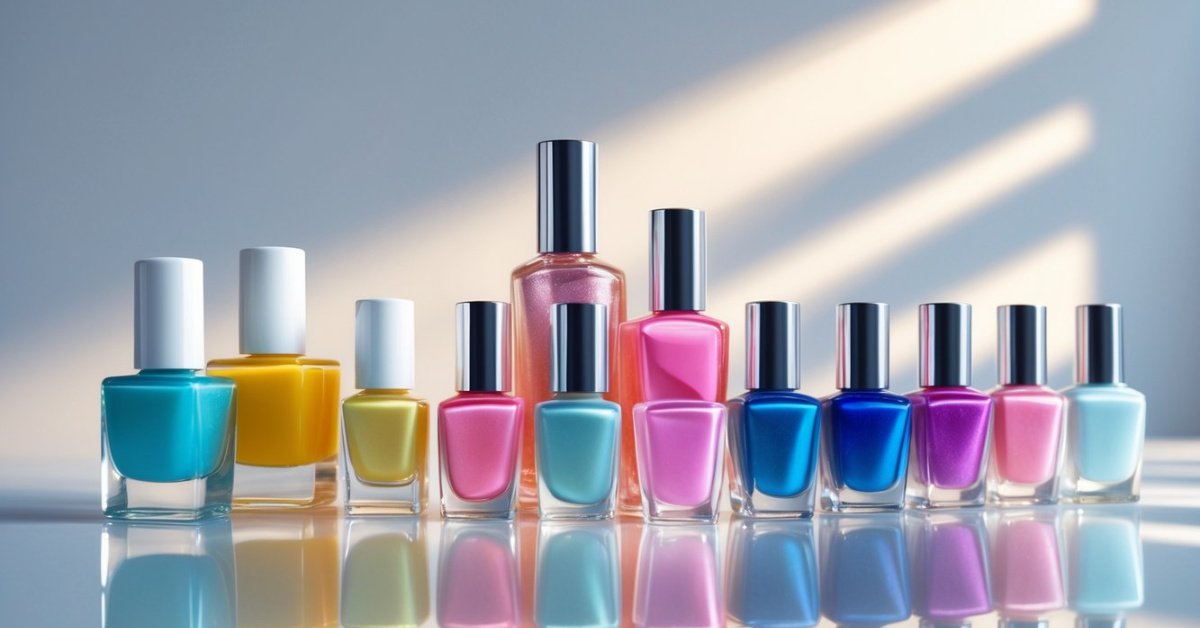
I’ve always believed that a great manicure isn’t just about looking good—it’s about feeling confident and polished. Whether you’re just starting out or looking to sharpen your skills, mastering the art of a professional manicure can really set you apart. It’s more than just nail polish; it’s about technique, care, and attention to detail.
Understanding the Basics of a Professional Manicure
Mastering a professional manicure starts with knowing the fundamentals. I focus on the right tools, quality products, and strict hygiene—each plays a crucial role in achieving flawless, lasting results.
Essential Tools and Products
I use specific tools to create a precise, smooth manicure. These include:
- Nail clippers designed for various nail shapes
- Fine-grit nail files for shaping and smoothing edges
- Cuticle pushers and nippers to manage cuticles gently
- Buffers to add shine and remove ridges
- High-quality base coats, color polishes, and topcoats for durability and gloss
- Moisturizing creams and oils to keep nails and skin healthy
Selecting reputable brands with proven formulations ensures polish applies evenly and resists chipping. I keep all tools sharp, clean, and replace products regularly to uphold professional standards.
Importance of Hygiene and Sanitation
Maintaining hygiene protects clients and preserves nail health. I sanitize tools between uses with FDA-approved disinfectants and store them in sterile containers. Disposable implements like files and buffers require single-use only. I wash my hands thoroughly before each session and wear gloves if needed. Clean workspaces prevent contamination, which minimizes infection risks and builds client trust. Neglecting sanitation compromises manicures and client safety, so I never cut corners here.
Step-by-Step Guide to Performing a Manicure
Performing a professional manicure requires precision, care, and a deep understanding of each step. I’ll walk you through the essential stages to ensure every client leaves with healthy, beautiful nails.
Nail Preparation and Shaping
Start by removing any old polish with an acetone-free remover to protect the nail plate. Trim nails to the desired length using sharp clippers, avoiding jagged edges that could cause breaks. File nails gently in one direction with a fine-grit file—usually 180 grit—to achieve the preferred shape, whether square, oval, or almond. Buff the nail surface lightly to smooth ridges, but never over-buff as it weakens the nail.
Cuticle Care Techniques
Soften cuticles by soaking hands in warm water mixed with a gentle cuticle remover or oil for about 3 to 5 minutes. Push back the cuticles carefully with a wooden or metal pusher, taking care not to damage the nail matrix. Remove excess dead skin using a cuticle nipper if necessary, but avoid cutting live tissue to prevent infections. Finish by moisturizing cuticles with a rich cuticle oil to maintain flexibility and prevent hangnails.
Applying Nail Treatments and Polish
Apply a nourishing base coat to strengthen nails and prevent staining. Use thin, even strokes of your chosen polish, starting at the center and moving towards the edges; two coats typically provide full coverage. Allow each coat to dry for about 2 minutes before applying the next. Seal with a high-quality top coat for shine and durability, capping the nail tips to prevent chipping. Finish by moisturizing hands with a hydrating lotion and offering a quick fan dry or LED light cure if using gel polish.
Advanced Tips for Professionals
Mastering manicures demands more than basic skills. Customizing techniques and incorporating creative designs elevate your service, keeping clients coming back.
Customizing Manicures for Different Nail Types
Understanding nail types—such as brittle, oily, or thin—improves treatment effectiveness. I adjust product selection based on these traits. For brittle nails, I use strengthening base coats enriched with keratin. Oily nails benefit from mattifying primers that extend polish wear. Thin nails gain volume and protection from gel overlays applied with precision. Matching filing techniques to nail strength prevents damage; for example, I use gentle, one-directional filing on weak nails. Tailoring hydration routines with cuticle oils and creams ensures balanced moisture across types, reducing peeling and breakage.
Incorporating Nail Art and Design
Including nail art adds visual interest and personal flair. I started with basic designs like French tips and polka dots, advancing to intricate patterns using fine brushes and stamping plates. Layering colors in thin coats prevents bulkiness and peeling. Using UV-cured gels secures designs longer, especially on clients with active lifestyles. I keep a palette of seasonal colors and trendy motifs on hand, adapting styles to client preferences and occasions. Clean lines and symmetry matter; I use stencils and guides for precision. Investing in quality tools like dotting pens, striping tapes, and rhinestones delivers professional results every time.
Common Mistakes to Avoid in Professional Manicures
Ignoring proper hygiene risks client health and damages your reputation. Always sanitize tools between clients, use disposable implements when possible, and keep your workspace spotless to prevent infections.
Skipping nail preparation shortchanges the final result. Remove old polish thoroughly with acetone-free removers. Trim and file nails gently using fine-grit files, shaping nails consistently to match client preferences.
Overcutting cuticles leads to pain and infections. Instead, soften cuticles with a soaking solution and push them back gently without cutting live skin. Always moisturize afterward to keep the area healthy.
Applying polish too thickly causes uneven drying and chipping. Use thin, even layers of base coat, polish, and top coat, allowing each layer to dry fully before applying the next. This extends the manicure’s longevity and shine.
Neglecting client nail type customizations limits your service quality. Adjust products and techniques for brittle, oily, or thin nails. For example, use strengthening base coats on brittle nails and mattifying primers on oily ones to ensure polish adheres perfectly.
Rushing the process sacrifices precision and appearance. Take time with each step, focusing on clean lines, symmetry, and flawless polish application. Patience elevates your work from basic to professional-grade.
Using low-quality products undermines all your efforts. Always choose reputable brands with nourishing and durable formulas. Quality products protect nail health and deliver long-lasting beauty your clients will appreciate.
Conclusion
Mastering a professional manicure takes patience and practice, but it’s incredibly rewarding. When you focus on the details and prioritize hygiene, you not only create beautiful nails but also build trust with your clients.
I’ve found that customizing each manicure to fit individual needs and adding a touch of creativity can really set your work apart. Remember, it’s the little things—like using the right tools and taking your time—that make all the difference.
Keep honing your skills and enjoy the process. Your clients will appreciate the care and expertise you bring to every manicure.