I’ve always loved trying new nail art, and the reverse French manicure quickly became one of my favorites. It’s a fresh twist on the classic look that highlights the base of your nails instead of the tips. Plus, it’s surprisingly easy to do at home once you get the hang of it.
Understanding the Reverse French Manicure
Mastering the reverse French manicure helps expand your nail art skills and offers a fresh style. It highlights a different part of the nail, creating an edgy yet elegant look.
What Is a Reverse French Manicure?
A reverse French manicure focuses on the nail’s base, also called the lunula or smile line, instead of the tips. I apply or guide clients to paint a contrasting or complementary color around this area, leaving the rest of the nail in a solid shade or clear polish. This technique frames the cuticle with a clean, defined line that enhances nail shape and length visually.
Differences Between Traditional and Reverse French Manicure
Traditional French manicures color the tips white or pale pink, leaving the nail bed natural or softly tinted. Reverse French manicures invert this by accentuating the nail base with color. While the classic approach emphasizes tip cleanliness and simplicity, the reverse style adds dimension by playing with negative space near the cuticle. Both offer timeless elegance, but reverse French nails create a modern, bold statement that’s versatile for casual or formal looks.
Tools and Materials Needed
Getting the right tools and materials is key to perfecting a reverse French manicure. I recommend selecting colors and equipment that make the process smooth while keeping nails healthy.
Nail Polish Colors and Finishes
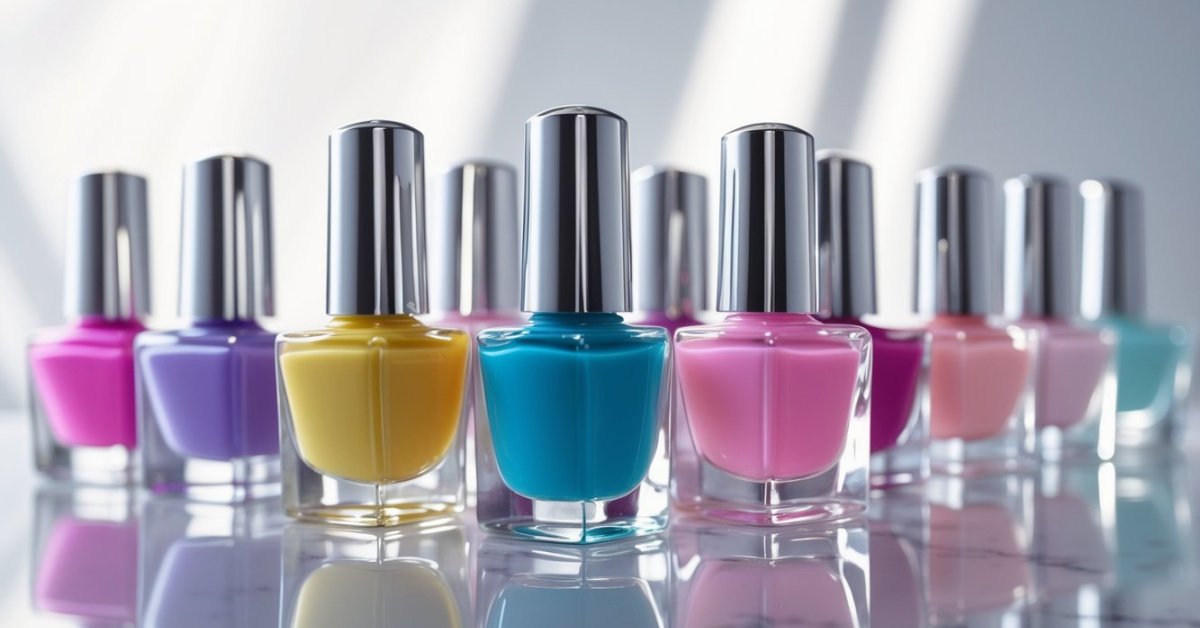
Choosing the right nail polish colors enhances the reverse French manicure’s beauty. I suggest a contrast between two shades—one for the base (lunula area) and another for the rest of the nail. Popular combinations include nude tones paired with bold colors like deep reds or blues. Matte finishes work well for a modern look, but glossy polish adds classic elegance. Keep in mind that quick-dry formulas can speed up your manicure without compromising shine.
Essential Nail Care Tools
Using quality nail care tools ensures clean lines and healthy nails. I always keep these essentials on hand: a fine nail art brush or a small detail brush for precision, a cuticle pusher to gently clear the lunula area, base and top coats for durability, and cotton swabs for quick cleanup. Nail files with different grits help shape nails smoothly, while a good LED lamp makes curing gel polish effective if you choose gel for longevity.
Step-by-Step Guide on How to Do a Reverse French Manicure
Mastering a reverse French manicure combines precision and creativity. I’ll walk you through each step, ensuring your nails look flawless and stylish.
Preparing Your Nails
Start by shaping your nails with a file, creating a smooth and even edge. Push back cuticles gently using a cuticle pusher to reveal the lunula clearly. Clean your nails with a non-acetone polish remover to eliminate oils and debris. Hydrate your cuticles with a light oil, then wash your hands to remove residue, leaving a clean, dry canvas.
Applying the Base Coat
Apply a thin layer of base coat to protect your natural nails and improve polish adhesion. Ensure even coverage and let it dry fully to prevent bubbles and smudges in the next steps.
Creating the Reverse French Tip
Choose two contrasting colors—for example, a nude shade for most of the nail and a bold hue for the lunula. Using a fine nail art brush or a precision tool, paint the lunula area carefully, tracing its natural curve. Allow the first color to dry before applying the second on the rest of the nail. Use gentle strokes to separate the areas cleanly without overlap. If freehand is tricky, apply round nail guides or tape to make the lunula shape precise.
Adding Details and Nail Art (Optional)
Add small accents like dots, thin lines, or glitter around the lunula or across the nails for extra flair. Use a detail brush for intricate patterns. Remember, minimal decoration enhances the elegance of the reverse French manicure without overpowering it.
Sealing with a Top Coat
Seal your design with a glossy or matte top coat, depending on your preference. Apply a generous but controlled layer to avoid smudging the colors underneath. Cure the top coat under an LED lamp if using gel polish to extend wear. Finish by wiping the nails with a lint-free cloth for a polished, salon-quality shine.
Tips for a Flawless Reverse French Manicure
Mastering a reverse French manicure requires precision and care. I share practical tips to help you achieve salon-worthy results from home.
Common Mistakes to Avoid
Starting with clean, well-shaped nails is crucial since uneven edges or unpushed cuticles disrupt the look. Applying polish too thickly often leads to smudging and uneven drying. Using a fine nail art brush prevents stray lines around the lunula, which commonly happen when relying on broad brush strokes. Skipping the base coat weakens polish adhesion and increases chipping risks. Neglecting to wait between layers traps moisture, causing bubbles or peeling. Finally, rushing cleanup might remove polish from your design; using a nail art brush dipped in remover ensures precision without affecting the artistry.
How to Make Your Manicure Last Longer
Sealing your design with a quality top coat protects colors and enhances shine. Reapplying a thin layer of top coat every two to three days maintains durability. Avoid exposing nails to harsh chemicals or prolonged water contact without gloves because moisture weakens the polish bond. Using quick-dry formulas accelerates curing, reducing the chance of dents or smudges. Keeping nails moisturized with cuticle oil strengthens the nail bed, minimizing peeling and breakage. Finally, curing gel polish under an LED lamp guarantees longer-lasting wear with a sleek finish.
Conclusion
Trying out the reverse French manicure has definitely added a fun twist to my nail routine. It’s a simple way to switch things up while still keeping a chic and polished look. Once you get the hang of it, you’ll find it’s a great way to express your style without needing a ton of time or fancy tools.
I encourage you to play around with colors and techniques until you find what feels right for you. Nail art should be enjoyable, so don’t stress the small stuff. With a little practice, you’ll be rocking this modern manicure like a pro in no time!