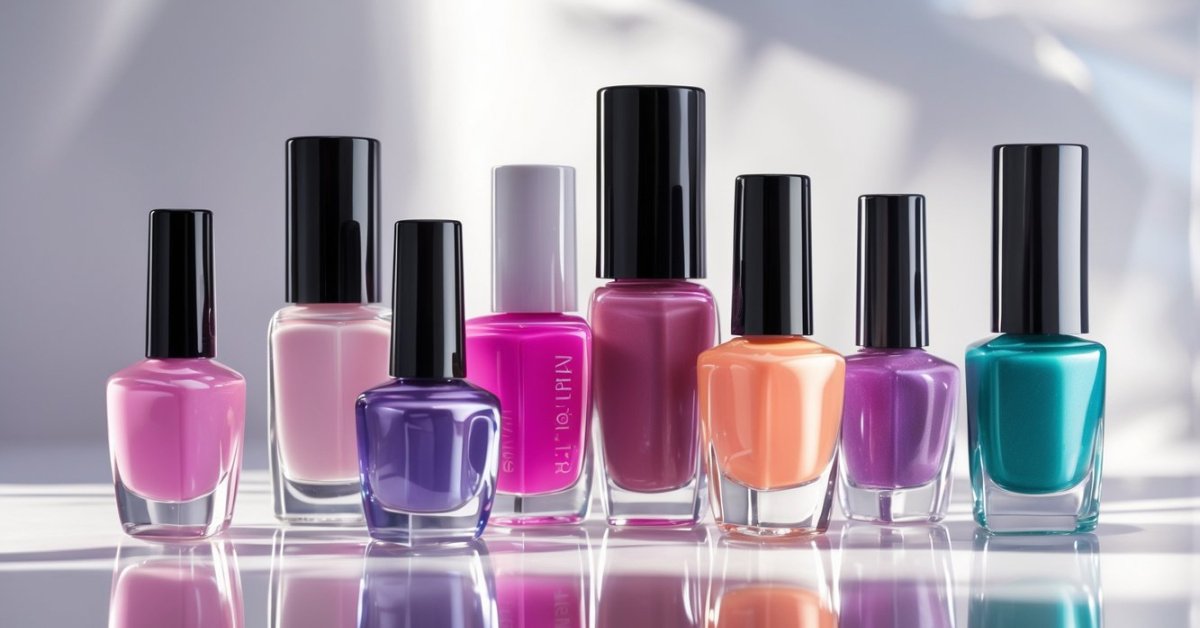
I’ve always been fascinated by the sleek, polished look of a Russian manicure. It’s a technique that gives nails a flawless finish and lasts longer than traditional manicures. But I quickly learned it’s not something to rush into without knowing the right steps.
Doing a Russian manicure safely means understanding the tools and techniques involved to avoid damaging your nails or cuticles. I’m excited to share what I’ve discovered so you can enjoy this chic style without any worries. Whether you’re a beginner or just curious, this guide will help you get that perfect look while keeping your nails healthy.
Understanding the Russian Manicure Technique
Mastering the Russian manicure technique requires grasping its precision and unique approach to nail care. I’ll explain what makes this method stand out and the essential tools involved.
What Sets It Apart from Traditional Manicures
Russian manicures focus on cuticle care by removing excess skin and dead cells around the nail plate with extreme precision. Unlike traditional manicures that push back cuticles gently, this method uses a specialized electric file called an e-file to clean the nail bed thoroughly. This results in a clean, elongated nail surface that enhances polish adhesion and prolongs wear. Russian manicures also minimize the risk of polish lifting when done correctly, which I find crucial for maintaining both nail strength and beauty.
Common Tools Used in Russian Manicures
Several tools play vital roles in performing a Russian manicure safely and effectively:
- E-file with specific bits (ceramic, diamond, or carbide) for precise cuticle removal and smoothing.
- Cuticle pushers and nippers designed to complement e-file work without damaging the skin.
- Nail buffers and files tailored to shape without causing microtrauma to the nail plate.
- Antiseptic and moisturizing products to protect and nurture the nail and surrounding skin.
Proper tool sterilization and skillful handling minimize infection risks and protect nail health during each step of the procedure.
Preparing for a Safe Russian Manicure
Performing a Russian manicure safely starts with preparation. Proper tools and hygiene create the foundation for beautiful nails without risking damage or infection.
Choosing Sterile and Quality Tools
I trust only high-quality tools that stay sharp and precise throughout every service. Choosing stainless steel cuticle nippers, durable e-files with well-maintained bits, and professional-grade buffers ensures clean results. Sterilizing tools before and after each use is non-negotiable in my salon. I use hospital-grade disinfectants and follow strict protocols to avoid cross-contamination. If your tools aren’t sterile or are worn down, you risk harming the nail bed and cuticles. Invest in replacements regularly and keep your workspace spotless.
Importance of Proper Hand and Nail Hygiene
Clean hands and nails make a huge difference when performing a Russian manicure. Before starting, I wash my hands and ask my clients to do the same. Removing oils, dirt, and old polish reduces bacteria and helps products adhere better. After washing, I sanitize hands with an alcohol-based solution for extra protection. Pushing back cuticles gently after soaking softens the skin, but I avoid cutting too much to prevent injury. Healthy cuticles support nail growth and reduce infection chances. Keeping hygiene top of mind protects both the nails and the overall nail salon experience.
Step-by-Step Guide to Doing a Russian Manicure Safely
Mastering a Russian manicure requires careful steps to ensure beauty and nail health go hand in hand. I’ll walk you through the procedure from cleaning to polish application while keeping safety top of mind.
Nail Cleaning and Cuticle Care
Begin by washing hands thoroughly with antibacterial soap to remove oils and bacteria that could affect polish adhesion. Next, soak nails in warm water for 5 minutes to soften cuticles. Gently use a cuticle pusher to nudge cuticles back without tearing or cutting. If necessary, trim hangnails carefully with sterile nippers. Avoid cutting live cuticles, as this invites infection. I always recommend applying a disinfectant solution on the nail and surrounding skin to maintain hygiene before using any tools.
Using the Electric File Correctly
Select a fine e-file bit designed for gentle cuticle work. Start at low speeds between 3,000-5,000 RPM to avoid heat buildup that can damage skin. Hold the file at a slight angle and move steadily along the nail edge and cuticle area to remove excess skin without gouging the nail plate. Keep the e-file bit clean and change bits regularly to prevent bacterial buildup. If you feel discomfort or see redness, stop immediately and reassess your technique. Using an e-file improperly causes injuries, so take your time to practice control and precision.
Applying Polish and Finishing Touches
After filing and cuticle care, cleanse nails with an alcohol-based solution to remove dust and oils. Apply a dehydrator or nail primer to boost polish adhesion and reduce peeling. Use thin, even coats of base coat, color polish, and top coat, allowing each layer to dry slightly before the next. Finish by sealing the free edge with polish to protect from chipping. Hydrate cuticles with nourishing oil to keep skin supple and healthy. Proper drying under LED lamps ensures longevity and brilliance, giving nails a flawless, durable shine that defines the Russian manicure style.
Safety Tips to Prevent Infections and Injuries
Maintaining safety during a Russian manicure protects your nails and skin while ensuring your polish stays flawless. I always stress careful technique and hygiene to avoid common risks.
Avoiding Over-Filing and Skin Damage
Using an e-file demands precision. I keep the speed low and the pressure light to avoid thinning the nail plate or cutting into the skin. Filing too aggressively or near the cuticle causes pain, inflammation, and potential damage. Always move the tool smoothly and steadily, never staying in one spot. If the skin feels sensitive or starts to bleed, stop immediately and disinfect the area. Proper training on e-file use prevents injuries and preserves the natural nail’s strength.
Recognizing Signs of Infection and When to Seek Help
Watch for redness, swelling, persistent pain, or pus around the nail or cuticle after your manicure. These signals often mean infection. If you notice any warmth or spreading irritation, it’s important to see a healthcare professional promptly. Early treatment avoids complications and keeps your nails healthy. Remember, using sterilized tools and clean hands lowers the chance of infections dramatically. If you follow these precautions, your Russian manicure will shine safely.
Aftercare for Long-Lasting and Healthy Nails
Proper aftercare keeps your Russian manicure looking sharp and protects nail health. I focus on simple, effective methods that preserve beauty and strength.
Moisturizing and Nail Strengthening Techniques
Daily moisturizing supports both nails and cuticles. I recommend using nourishing oils containing vitamin E or jojoba oil, applying them around each nail bed. Massaging stimulates blood flow, promoting growth and resilience. For added strength, I suggest biotin supplements or nail hardeners with calcium and keratin, but only if nails become brittle. Avoid overusing harsh chemicals or acetone removers, which weaken nails over time. Consistent hydration and gentle care ensure nails remain flexible and less prone to breakage.
Tips to Maintain the Manicure Over Time
Avoid prolonged exposure to water and harsh detergents, which can compromise polish adhesion and damage the nail surface. Wearing gloves during cleaning or dishwashing safeguards your manicure. If you need to fix minor chips, keep a matching polish on hand for quick touch-ups. Schedule regular salon visits every two to three weeks to refresh the look and address cuticle health. Also, avoid using nails as tools; this reduces stress and splitting. Following these steps extends the life of your Russian manicure while maintaining nail integrity.
Conclusion
Mastering a Russian manicure takes patience and care, but it’s definitely worth the effort. When you prioritize hygiene and use the right tools carefully, you can enjoy that sleek, polished look without risking your nail health.
I’ve found that gentle techniques and consistent aftercare make all the difference in keeping nails strong and beautiful. With a little practice, you’ll feel confident doing this stylish manicure safely at home or in the salon.