
I’ve always been fascinated by the bold and intricate designs of tribal nail art. There’s something so captivating about those geometric patterns and earthy colors that make your nails stand out in the best way. If you’re looking to add a unique flair to your manicure, tribal nail art is a fun and creative option to try.
Understanding Tribal Nail Art
Tribal nail art captures timeless beauty through bold lines and symbolic designs. Mastering it means appreciating its roots and visual language.
History and Cultural Significance
Tribal nail art draws from indigenous art traditions worldwide, including Native American, African, and Polynesian cultures. These cultures use geometric shapes and symbols to convey stories, beliefs, and values. The designs often connect wearers to nature, spirituality, and community, which adds depth to every brushstroke. Knowing this enriches the creative process and honors the artistry behind each pattern.
Common Patterns and Symbols
Tribal nail art features recurring motifs like zigzags, chevrons, dots, and triangles. These shapes often represent elements like mountains, rivers, or animals. Arrows and spirals signify direction and growth. Colors such as earthy reds, browns, blacks, and ochres complement these patterns and evoke a natural, grounded feel. Using these familiar elements makes tribal nail art both striking and meaningful on the nails I style every day.
Essential Tools and Materials
Mastering tribal nail art starts with gathering the right tools and materials. Each item plays a key role in creating bold, precise designs that capture the true essence of this style.
Nail Polishes and Brushes
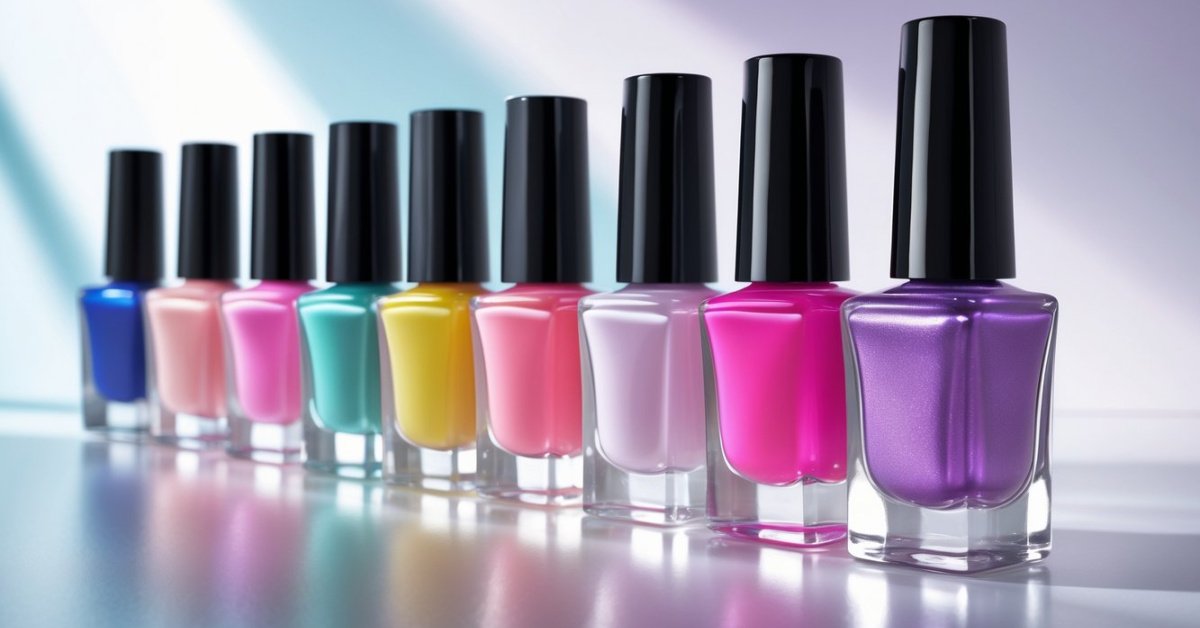
I always recommend using high-quality nail polishes with rich pigmentation and lasting formulas. Earthy tones like burnt orange, deep brown, black, and cream serve as perfect bases or accents in tribal designs. Having a few bright shades, such as turquoise or gold, adds contrast and highlights.
Fine detail brushes are crucial. I rely on thin liner brushes for delicate lines and small dotting tools to form crisp shapes like arrows or triangles. Angled brushes help with sharp edges or chevrons. Keeping multiple sizes available makes it easier to mix intricate patterns with bold strokes.
Additional Decorative Elements
Beyond polish and brushes, applying small decorative elements can enhance the tribal look. Matte topcoats help tone down shine and emphasize the natural, earthy feel of tribal patterns. For extra texture, I use tiny metallic studs or beads in gold or bronze. These add subtle sparkle without overpowering the design.
A steady hand is key, but having nail tape or stencils on hand can assist with creating clean, geometric shapes. Finally, a reliable quick-dry spray or drops ensure your art stays flawless longer and speeds up your manicure process.
Step-by-Step Guide on How to Do Tribal Nail Art
Mastering tribal nail art starts with a solid foundation and careful attention to each step. I break down the process into four essential stages to simplify your journey toward stunning tribal designs.
Preparing Your Nails
Start by trimming and shaping your nails to your preferred style—you can choose square, oval, or almond shapes. Then, push back your cuticles gently with a wooden stick or cuticle pusher to create a neat canvas. Buff the nail surface lightly to remove ridges, promoting even polish application. Clean your nails with a nail polish remover or alcohol wipe to eliminate oils and debris, ensuring longer-lasting results.
Creating Base Colors
Select earthy tones like terracotta, beige, warm browns, or muted greens to honor traditional tribal palettes. Apply a thin base coat to protect your nails and help the polish adhere better. Follow with two coats of your chosen base color, allowing each layer to dry thoroughly. Avoid flooding the cuticle area to prevent smudging, and use a quick-dry spray if you’re short on time.
Drawing Tribal Patterns
Use fine detail brushes or nail art pens to sketch geometric shapes like zigzags, chevrons, triangles, and arrows. Begin with simple outlines in black or white polish for contrast against your base. Build the design gradually, working on one nail at a time to maintain precision. If freehand seems challenging, employ thin nail tape or stencils to create clean lines and repeating patterns. Take breaks between steps to avoid smudges and maintain crisp edges.
Adding Details and Finishing Touches
Highlight your tribal designs with subtle metallic studs or tiny dots in gold or bronze for a modern twist. Apply a matte topcoat to give an earthy, muted finish that enhances the natural vibe. Alternatively, use a high-gloss topcoat for a sleek look that intensifies color vibrancy. Finish by sealing the edges of your nails with topcoat to prevent chipping. Keep your hands moisturized with cuticle oil to complement the art and maintain nail health.
Tips for Perfecting Your Tribal Nail Art
Mastering tribal nail art takes patience and precision. I honed these tips over decades running my nail salon, focusing on health, beauty, and style.
Common Mistakes to Avoid
Skipping nail prep dulls designs and shortens wear time. Always clean and shape nails first. Using thick, gloopy polish leads to uneven patterns, so thin layers work best.
Rushing the drying process causes smudges and smears. Let each layer dry fully before adding details or topcoat. Overloading brushes with polish blurs sharp lines; use minimal polish for crisp edges.
Ignoring dominant hand challenges wastes time and effort. Practice tribal designs on your non-dominant hand to build control and confidence. Lastly, neglecting cuticle care produces uneven surfaces. Moisturize cuticles daily and push them back gently before painting.
Maintaining Your Nail Art
Protect tribal nail art by applying a clear, fast-drying topcoat every 2 to 3 days. Avoid soaking nails in water for long; wear gloves during chores like washing dishes.
Use gentle, acetone-free polish remover when touching up chips to preserve layers underneath. Schedule weekly moisturizing treatments for nails and cuticles to maintain flexibility and prevent cracking.
Keep nail length manageable to reduce chipping risks and maintain sharp designs. With consistent maintenance, vibrant tribal nail art can last up to 10 days without fading or peeling.
Conclusion
Tribal nail art is such a fun way to express creativity while connecting with rich cultural traditions. Once you get the hang of the patterns and techniques, it becomes a relaxing and rewarding part of your self-care routine.
I love how each design tells a story and adds a unique touch to my look. Give yourself time to practice and enjoy the process—your nails will thank you for it!