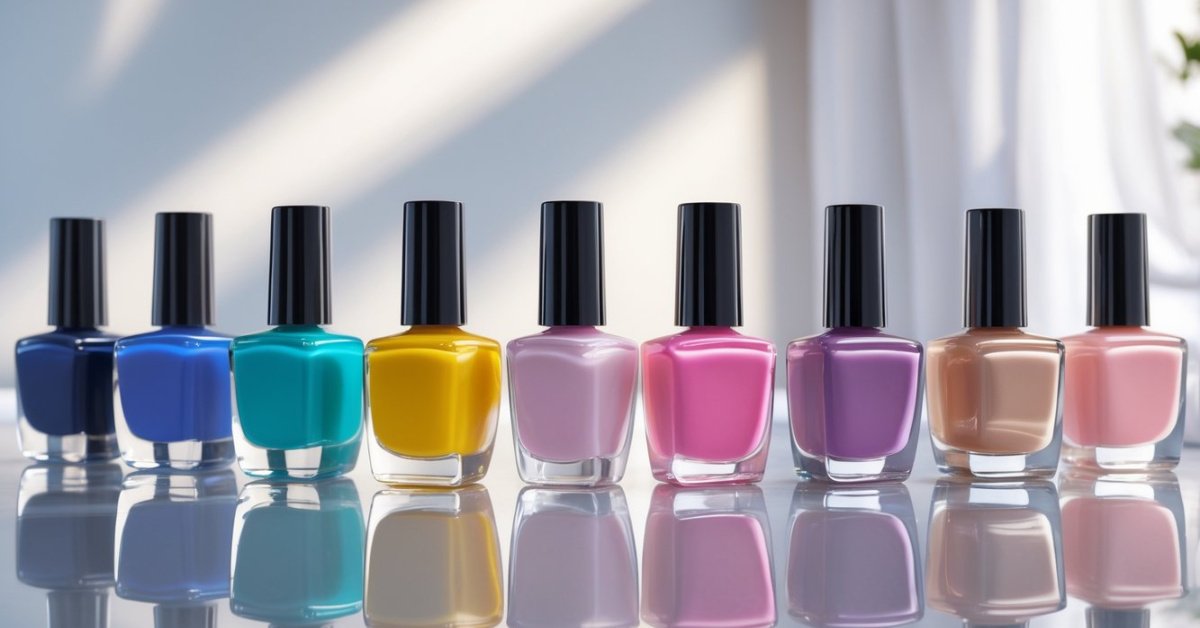
Nail biting is a habit I know all too well. It’s something many of us do without even realizing it, especially when we’re stressed or bored. But over time, it can really take a toll on our nails, leaving them weak, damaged, and sometimes even painful.
Understanding Nail Biting and Its Effects
Nail biting impacts the health and appearance of your nails, which affects how nail polish adheres and looks. Knowing what triggers nail biting and how it harms nails helps tailor care routines for stronger, more beautiful nails.
Common Causes of Nail Biting
Stress tops the list as a trigger for nail biting, especially when feeling anxious or overwhelmed. Boredom follows closely, prompting unconscious nail nibbling during idle moments. Habit also plays a major role; many start nail biting in childhood and continue into adulthood without noticing. Certain situations like watching TV or reading can encourage this habit if nails aren’t kept busy or polished.
How Nail Biting Damages Your Nails
Nail biting weakens nails by causing chips, cracks, and uneven surfaces that make polish application tricky. Repeated biting damages the nail bed, leading to slower growth and misshapen nails. The cuticles suffer too, increasing the risk of infections that affect nail health and polish longevity. In my years running a nail salon, I’ve seen clients struggle to get lasting polish because their nails lacked a smooth, intact base due to biting.
Effective Strategies to Prevent Nail Biting
Preventing nail biting protects nails from damage and helps polish stay flawless. I’ve seen many clients transform their nails by adopting effective strategies that combine behavior change with proper nail care.
Behavioral Techniques to Stop Nail Biting
Breaking the nail biting habit starts with awareness and purposeful actions. I recommend keeping your hands busy with stress balls or fidget tools during moments of anxiety or boredom. Identifying triggers such as stress or specific situations can help you replace biting with healthier habits, like applying cuticle oil or using a nail file. Setting small daily goals, like going one day without biting, builds momentum gradually. Using a bitter-tasting nail treatment discourages biting, giving a physical reminder each time fingers approach the mouth. Consistent practice of these techniques rewires the habit loop, allowing nails to heal and grow stronger.
Using Nail Care Products to Protect Nails
Nail care products provide essential protection while reinforcing your commitment to stop biting. I always suggest applying a strengthening base coat rubbed with vitamin E or keratin to nourish nails from the start. Regular use of hydrating cuticle oil prevents dryness and peeling, making nails less tempting to bite. Once nails have grown out, a high-quality polish with a glossy finish encourages you to maintain your nail appearance, reducing the desire to bite. For stubborn cases, a gel polish adds a tough, chip-resistant layer that acts as a barrier. These products not only improve nail health but also support your effort by making nails look beautiful and worth protecting.
Maintaining Healthy Nails Post-Biting
Healing nails after biting requires dedication and the right care. I’ve seen countless clients restore their nails by adopting proper routines and knowing when to ask for expert help.
Nail Care Routine for Recovery
Establishing a simple but consistent nail care routine speeds recovery and improves polish application. First, keep nails trimmed short to avoid temptation and accidental snags. Next, moisturize cuticles using nourishing oils daily to promote flexibility and prevent cracking. I recommend applying a strengthening base coat with ingredients like keratin or calcium; it reinforces weakened nails and creates a smooth canvas for polish. Gently buffing rough edges restores nail surface without over-thinning. Avoid harsh chemicals and prolonged water exposure to prevent further weakening. Finally, give nails regular breaks between polish applications to breathe and regenerate. This routine balances care and protection, helping nails regain strength and shine sooner.
When to Seek Professional Help
Certain signs indicate it’s time to visit a nail professional for treatment. If nails show persistent swelling, redness, or pain around the cuticles, it could signify infection needing specialized care. Chronic nail deformities from biting, like ridges or splits extending into the nail bed, benefit from professional intervention to prevent permanent damage. If you struggle to stop biting despite trying common remedies, a nail technician can offer customized barriers like gel polish or therapeutic wraps. Trusted salons also provide detox treatments that encourage healthy nail growth. I always encourage my clients to get expert advice when home care isn’t enough—it helps ensure nails recover safely and look their best.
Conclusion
Breaking the nail-biting habit isn’t always easy, but with patience and the right approach, it’s definitely doable. I’ve found that staying mindful of my triggers and caring for my nails with gentle products makes a big difference.
Remember, your nails need time to heal and grow stronger, so don’t rush the process. Celebrate small wins along the way—they add up faster than you think. Taking these steps not only protects your nails but also boosts your confidence every time you look down at your hands.