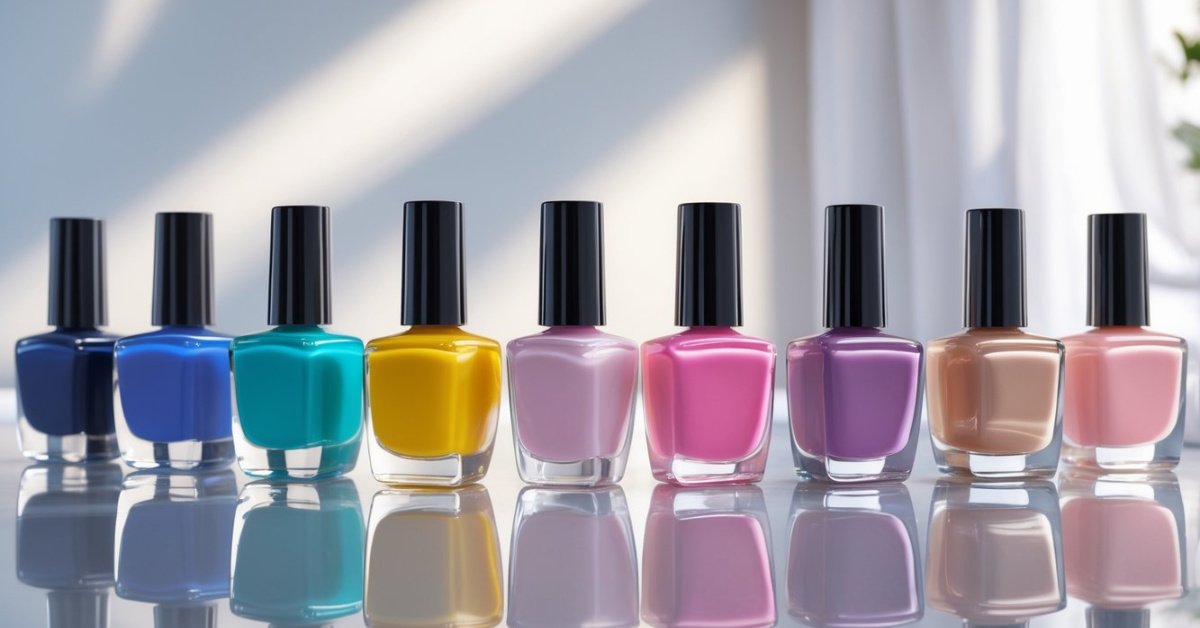
Working in a kitchen means your hands are constantly in action, and your nails take a real beating. As a chef, I’ve learned that keeping my nails clean and healthy isn’t just about looks—it’s about hygiene and safety too.
It’s easy to overlook nail care when you’re focused on prepping, cooking, and plating, but a little attention goes a long way. I’ve picked up some simple habits that help me maintain strong nails despite the daily wear and tear. If you’re like me and spend hours in the kitchen, this guide will help you keep your nails in top shape without slowing you down.
Importance of Nail Care for Chefs
Keeping nails in top shape is vital for chefs who work long hours in fast-paced kitchens. That care preserves not only nail health but also supports hygiene and prevents safety hazards.
Health and Hygiene Standards in the Kitchen
Maintaining clean, well-trimmed nails meets essential health and hygiene regulations. Kitchens require nails to be free of dirt and debris, reducing the risk of foodborne illnesses. I always advise chefs to keep nails short because longer nails can trap bacteria and are harder to clean thoroughly. Using breathable nail polish formulas helps protect nails from frequent hand washing without causing damage. When properly maintained, nails complement the chef’s professional appearance while adhering to strict cleanliness rules.
Preventing Contamination and Infection
Nail polish can act as a barrier protecting nails from bacteria and fungi, but only if it’s applied and maintained correctly. Chips and cracks in polish collect germs, increasing contamination risk. I recommend regular polish touch-ups or gel applications that last longer and resist damage. Wearing gloves during food prep adds an extra layer of protection, especially if nails are painted. Preventing infections begins with mindful nail care habits, such as cleaning under nails daily and avoiding artificial nails in high-risk environments. These practices keep chefs’ hands safe and compliant with kitchen safety protocols.
Common Nail Issues Faced by Chefs
Chefs face unique challenges keeping their nails healthy while working in demanding kitchen environments. Knowing these issues helps in choosing the right nail polish and care routines to protect nails without sacrificing style or hygiene.
Nail Damage from Frequent Washing
Frequent hand washing dries out nails and surrounding skin. I’ve seen nails become brittle and prone to peeling because constant exposure to water weakens the nail plate. Using a moisturizing base coat before applying polish can shield nails and keep them hydrated underneath. Avoid nail polishes with harsh chemicals, since they intensify dryness. Applying cuticle oil after shifts helps restore moisture and prevent cracking.
Risk of Breakage and Chipping
In kitchens, nails endure physical stress that leads to breakage and polish chipping. I always recommend flexible, long-lasting nail polishes designed to withstand tough conditions. Gel polishes provide strong protection but require proper removal methods to avoid damage. Keeping nails short reduces the chance of breaks while maintaining a polished look. Layering a resilient top coat seals polish and shields nails from abrasion during food prep.
Effects of Exposure to Harsh Ingredients
Chefs’ nails often contact acidic or alkaline ingredients, which degrade nail polish and weaken nails. From my salon experience, nails exposed to lemon juice, vinegar, or cleaning agents lose shine and become fragile over time. Using breathable nail polish formulas allows nails to maintain healthy moisture levels despite frequent contact with irritants. Wearing gloves when handling harsh substances preserves nail polish integrity and supports nail health, prolonging time between salon visits.
Essential Nail Care Tips for Chefs
Keeping nails healthy in the kitchen demands care tailored to frequent washing and tough conditions. I’ve learned over decades in the nail salon business that simple, effective habits protect nails from damage while supporting style and hygiene.
Proper Nail Trimming and Shaping
I always recommend chefs keep nails short to reduce dirt buildup and minimize breakage risk. Trim nails straight across, then gently round the edges with a fine nail file to prevent snagging or peeling. Avoid aggressive filing and use a smooth emery board to maintain a natural shape without weakening the nail plate. Regular trimming every 7 to 10 days maintains hygiene and keeps nails ready for the kitchen without getting in the way.
Moisturizing and Protecting Nails
Moisture is key to strong, flexible nails. I advise applying cuticle oil daily, preferably after washing hands, to lock in hydration and protect the delicate skin around nails. Use a rich hand cream regularly to prevent dryness caused by frequent exposure to water and soaps. For chefs, a moisturizing base coat strengthens nails and shields them from harsh detergents. Consistent hydration helps stop brittleness and peeling, common in kitchen environments.
Using Safe and Durable Nail Products
Choosing the right nail polish makes all the difference. I recommend breathable nail polishes that allow moisture exchange, reducing the risk of discoloration and weakness. Opt for long-lasting formulas designed for active hands to avoid frequent chipping or peeling. Avoid polishes with harsh chemicals like formaldehyde or toluene, which can damage nails over time. Applying a protective top coat daily extends polish life and adds a barrier against spills and stains, preserving both health and beauty in the demanding kitchen setting.
Best Practices for Maintaining Clean and Healthy Nails
Keeping nails clean and healthy in a demanding kitchen environment takes dedication. From my decades running a nail salon, I’ve seen how chefs can protect their nails without sacrificing style or hygiene.
Regular Sanitization Techniques
Sanitizing hands and nails matters most. I suggest washing hands with gentle, antibacterial soap at least every hour, especially after handling raw ingredients. Using a soft nail brush removes dirt from beneath the nails without causing damage. When possible, applying a quick-dry, antimicrobial hand spray maintains freshness between washes without drying out your skin or nails.
Wearing Protective Gloves Appropriately
Gloves protect nails from harsh kitchen substances that chip polish and weaken nails. Always wear food-safe gloves when prepping acidic or alkaline ingredients, and change gloves often to prevent moisture buildup that leads to nail problems. Make sure gloves fit snugly but comfortably—too tight can damage cuticles, and too loose can cause snagging or contamination.
Avoiding Nail Art and Extensions in the Kitchen
Intricate nail art or extensions may look stylish but aren’t practical for kitchen work. They trap bacteria and risk breaking under stress. Stick to breathable, professional polishes that shield nails and allow them to breathe. Short, natural nails with a fresh coat of polish reduce contamination risk and keep nails strong throughout long shifts.
Tools and Products Recommended for Chef Nail Care
Every chef’s nail care routine relies on the right tools and products to keep nails healthy and polished despite the kitchen’s challenges. Over decades running my nail salon, I’ve found that selecting the proper items makes all the difference in maintaining strong, clean nails that can endure long hours of kitchen work.
Nail Clippers and Files
I recommend keeping nail clippers sharp and ergonomic to make precise cuts without damaging the nail edges. Choosing stainless steel clippers helps prevent rust and ensures durability. For shaping, opt for fine-grit nail files—around 180 to 240 grit—which gently smooth nails without causing splits. I suggest filing nails in one direction only to avoid weakening them. Short nails reduce the risk of snagging and provide a professional, hygienic look essential in kitchens.
Cuticle Oils and Hand Creams
Cuticle oils infused with jojoba, vitamin E, or almond oil work wonders to maintain moisture around the nail bed, preventing dryness caused by frequent washing. I advise applying cuticle oil daily, especially before bedtime, to nourish nails deeply. Rich hand creams with shea butter or glycerin restore hydration and protect skin from harsh kitchen elements. Using these consistently keeps hands soft and nails strong, enhancing both health and appearance.
Antimicrobial Nail Treatments
For chefs, antimicrobial nail treatments offer an essential layer of protection against bacteria buildup. Products with ingredients like tea tree oil or silver ions help inhibit microbial growth on and around the nails. I suggest applying these treatments after cleaning and before polish application to maintain hygiene without compromising style. Breathable antimicrobial polishes combine nail protection with a fashionable finish, balancing safety and beauty seamlessly in any kitchen environment.
Conclusion
Taking care of your nails as a chef doesn’t have to be complicated or time-consuming. With a few mindful habits and the right products, you can keep your nails healthy, strong, and kitchen-ready.
I’ve found that staying consistent with simple routines makes a big difference, even during the busiest shifts. When your nails are well-maintained, it not only helps with hygiene but also gives you that extra confidence while you’re working your magic in the kitchen.
Remember, healthy nails are a small detail that can have a big impact on your overall professionalism and comfort. Keep them short, moisturized, and protected—and you’ll be set for success every day.