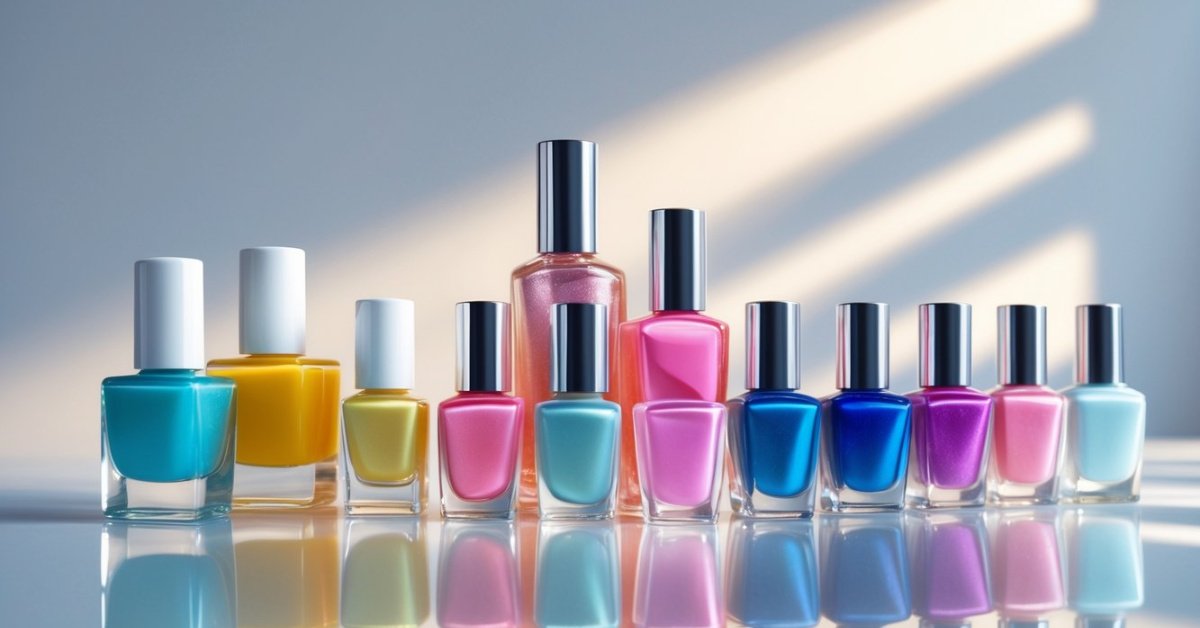
Taking care of your nails should be a relaxing and enjoyable part of your routine, but if you have allergies, it can sometimes feel like a tricky puzzle. I’ve learned that finding the right products and techniques makes all the difference in keeping nails healthy without triggering any reactions.
In this article, I’ll share simple tips and friendly advice for anyone who wants to maintain beautiful nails while steering clear of allergens. Whether you’re allergic to certain nail polishes, lotions, or even dust, there’s a way to care for your nails safely and comfortably. Let’s dive into how you can protect your nails and still enjoy a little pampering.
Understanding Nail Allergies
Nail allergies happen when your skin or nails react negatively to certain ingredients in nail products. Knowing what triggers these reactions helps you avoid discomfort while keeping your nails beautiful and healthy.
Common Allergens in Nail Products
I’ve seen many clients react to specific ingredients in polishes and treatments. The most frequent allergens include:
- Formaldehyde and Formaldehyde Releasers: Found in some hardeners and polishes, these chemicals can irritate skin and nails.
- Toluene: A solvent in many nail polishes that can cause allergic reactions and respiratory issues.
- Dibutyl Phthalate (DBP): A plasticizer that may provoke skin sensitivity.
- Methacrylates: Used in gel polishes and acrylics, these compounds often cause allergic contact dermatitis, especially in salon workers or frequent users.
- Fragrances and Resins: Added for scent or shine, these can also trigger allergic responses.
Choosing polishes labeled “3-free,” “5-free,” or “7-free” helps reduce exposure to common allergens.
Symptoms and Signs of Nail Allergies
Allergic reactions show up in various ways around your nails. Watch for these signs:
- Redness and Swelling: Skin near your nails turns inflamed and puffy.
- Itching or Burning Sensation: Discomfort around nail beds or fingertips increases after applying products.
- Blistering or Peeling Skin: In severe cases, your skin may blister or flake off near the nail area.
- Nail Changes: Nails might thicken, discolor, or separate from the nail bed.
- Dryness and Cracking: Persistent dryness that doesn’t improve with moisturizers could indicate allergy.
If you notice these symptoms after using a polish, removing the product promptly and avoiding that allergen in the future protects your nails and skin.
Choosing Allergy-Friendly Nail Care Products
Selecting the right nail products plays a crucial role in preventing allergic reactions. Over my decades owning a nail salon, I’ve seen firsthand how the right choices protect your nails and skin while keeping your mani look fabulous.
Ingredients to Avoid
Avoid ingredients that often trigger allergies: formaldehyde, toluene, dibutyl phthalate (DBP), methacrylates, and fragrances. Formaldehyde acts as a preservative but may cause redness and itching. Toluene and DBP, common solvents, irritate sensitive skin and nails. Methacrylates, found in gel polishes and acrylics, frequently cause allergic contact dermatitis. Fragrances can also provoke reactions, especially for those with sensitive skin. Look for products labeled “3-free,” which exclude formaldehyde, toluene, and DBP. More advanced formulas called “5-free” or “7-free” also eliminate other harmful chemicals like formaldehyde resin and camphor.
Recommended Hypoallergenic Nail Products
Choose hypoallergenic nail polishes from reputable brands that focus on clean ingredients. Brands offering “5-free,” “7-free,” or even “10-free” formulas include Zoya, Lily Lolo, and Ella+Mila. These products avoid the most common allergens without sacrificing color vibrancy or durability. For base coats and top coats, pick those free of irritants and fragrances to reduce the risk of sensitivity. Nail strengtheners and cuticle oils made with gentle, natural ingredients like jojoba or almond oil also support healthy nails. When shopping, prioritize transparent ingredient lists and consult with salon professionals when possible to find allergy-friendly options that suit your style and nail health.
Safe Nail Care Practices for Sensitive Skin
Keeping nails healthy and beautiful with sensitive skin calls for extra care. My decades running a nail salon show me that the right steps prevent allergic reactions and keep nail polish enjoyable.
Nail Preparation and Cleaning Tips
Start by washing hands thoroughly with gentle, fragrance-free soap to remove dirt and oils. Gently push back cuticles without cutting them, as damage invites infection and irritation. Use a soft nail brush to clean under the nails, reducing allergen buildup. Avoid harsh acetone removers; instead, choose acetone-free formulas to protect skin and nails. Lastly, always dry hands completely before applying polish or treatments.
Avoiding Cross-Contamination
Cleanliness matters immensely to prevent allergen transfer. Always sanitize tools like nail files, buffers, and clippers before use. Use disposable liners for footbaths and avoid sharing personal nail items with others. If you visit a salon, confirm they follow strict hygiene protocols. Using separate polish brushes for each client or each use avoids mixing allergens. Keeping your nail tools and polish area clean minimizes exposure to allergens and protects your sensitive skin.
Tips for Maintaining Healthy Nails with Allergies
Keeping nails healthy with allergies takes care and attention. I share proven strategies that preserve nail beauty while preventing allergic reactions.
Moisturizing and Nail Strengthening
Moisturizing nails and cuticles prevents dryness that worsens allergic symptoms. I recommend using fragrance-free, hypoallergenic creams or oils containing ingredients like jojoba or vitamin E. Applying moisturizer twice daily keeps nails flexible and reduces cracking. Strengthening nails with protein-enriched treatments helps resist damage from allergens and environmental stress. Avoiding harsh nail hardeners containing formaldehyde or toluene limits irritation. Consistent hydration combined with gentle-strengthening products promotes resilience and smoothness without triggering allergies.
When to Seek Professional Help
Professional help proves essential if allergic reactions cause intense redness, swelling, or persistent discomfort around nails. Consulting a dermatologist or allergist confirms specific allergens and guides effective treatment. Visiting a nail salon experienced in allergy-friendly services ensures proper product selection and hygienic tool use. I advise letting salon technicians know about allergies upfront to prevent exposure. If nail changes like thickening, discoloration, or lifting occur, prompt expert assessment prevents worsening conditions. Early intervention safeguards nail health and maintains their polished look without sacrificing comfort.
Conclusion
Taking care of your nails when you have allergies doesn’t have to be complicated or stressful. With the right products and a little extra attention, you can keep your nails healthy and beautiful without worrying about reactions.
Remember, your comfort and safety come first. Don’t hesitate to reach out to professionals who understand your needs and can guide you toward the best choices.
Nail care should be a relaxing and enjoyable part of your routine, so find what works for you and embrace it confidently. Your nails deserve that kind of care.