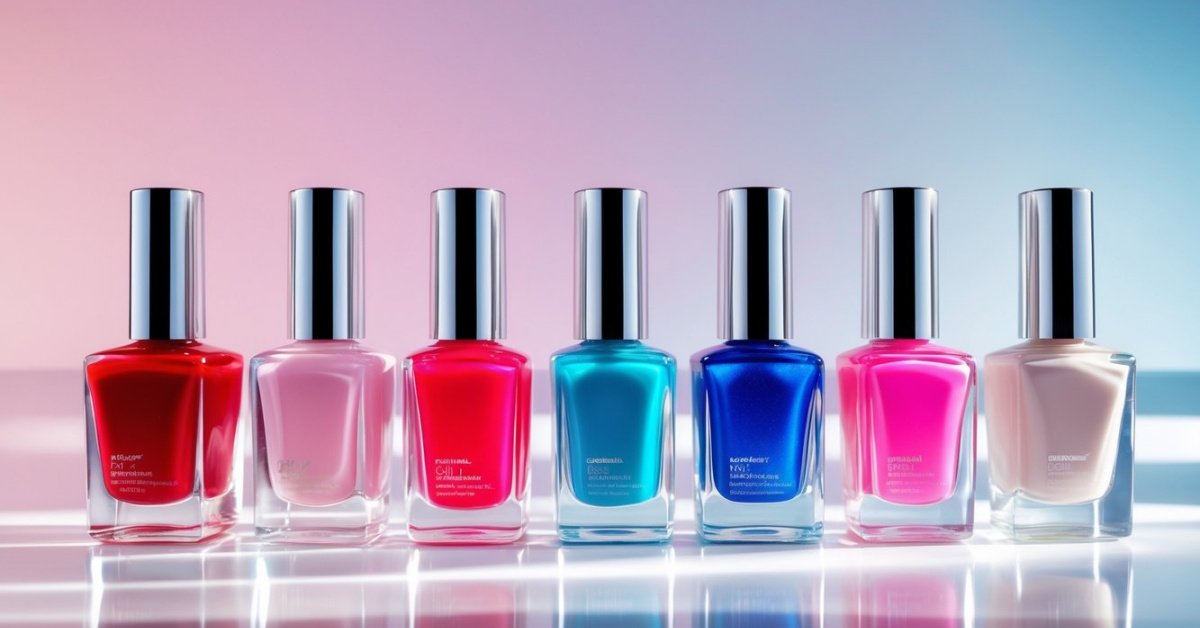
Taking care of your nails might seem like a small thing but when you’re managing a chronic illness it can feel overwhelming. I’ve found that simple nail care routines not only boost my confidence but also help me avoid infections and discomfort.
Nail health is often overlooked but it plays a big role in overall well-being, especially when your body is already dealing with extra challenges. Whether you’re dealing with limited mobility, sensitive skin, or medication side effects, there are gentle ways to keep your nails strong and healthy.
In this article, I’ll share easy tips and tricks that have worked for me and others facing similar challenges. Nail care doesn’t have to be complicated or time-consuming—it just needs to fit your unique needs and lifestyle.
Understanding Nail Care for People with Chronic Illness
Nail care requires special attention when managing chronic illness. Maintaining nail health complements overall well-being and supports personal style, including wearing nail polish safely.
How Chronic Illness Affects Nail Health
Chronic illnesses impact nail health through several pathways. Medications often cause dryness or brittleness, making nails prone to breakage. Limited mobility hinders regular nail grooming, increasing the risk of infections. Circulation issues delay nail growth and reduce natural shine, which affects the polish’s appearance. Nutritional deficiencies associated with chronic conditions also weaken nails, demanding tailored care routines.
Common Nail Problems in Chronic Illness Patients
Nail problems vary but common issues include:
- Brittle nails: Fragile and prone to splitting, especially with repeated polish use or harsh removers.
- Discoloration: Yellowing or dullness caused by medication or fungal infections, influencing polish color choices.
- Thickened nails: Resulting from reduced circulation or infections, requiring gentle filing before polishing.
- Slow nail growth: Causes longer gaps between manicures, urging flexible nail care schedules.
- Cuticle damage: Due to dryness or inflammation, creating sensitivity during polish application.
Identifying these issues helps me recommend suitable nail polish types, such as hydrating formulas or breathable polishes, that protect and enhance nail health for people living with chronic illness.
Essential Nail Care Tips
Nail care plays a vital role in keeping nails healthy and beautiful, especially for people managing chronic illnesses. I’ve helped clients for decades, and simple, consistent routines make a world of difference.
Daily Nail Hygiene Practices
Start by keeping nails clean and dry to avoid infections. Wash hands gently with mild soap, then dry thoroughly—moisture can cause problems for fragile nails. Avoid harsh chemicals or antibacterial soaps that strip natural oils. Moisturize cuticles and nail surrounding skin daily with nourishing oils like jojoba or vitamin E; it keeps nails flexible and prevents cracking. Always remove old nail polish carefully, preferably using acetone-free removers to protect nail integrity. Consistent hygiene forms the foundation for strong, healthy nails.
Choosing the Right Nail Care Products
Opt for products designed for sensitive or weakened nails. I recommend hydrating base coats containing ingredients like keratin or biotin to strengthen nails before applying color. Breathable nail polishes improve oxygen flow, helping nails stay healthier beneath polish layers. Avoid polishes with formaldehyde, toluene, or DBP—these harsh chemicals worsen brittle or damaged nails. When selecting removers, pick acetone-free formulas enriched with conditioners. Investing in quality products suited for delicate nails ensures beauty doesn’t come at the cost of nail health.
Safe Nail Trimming and Filing Techniques
Trim nails straight across using sharp, clean clippers to avoid splintering or ingrown nails. If nails are thick or curved, file gently using a fine-grit nail file, always filing in one direction to prevent peeling. I suggest trimming nails after a shower when they’re softer and less prone to cracking. Avoid cutting cuticles, as they protect the nail bed. Instead, gently push them back with a soft tool after moisturizing. Proper trimming and filing keep nails neat and reduce the risk of damage, which is particularly important for those with chronic conditions affecting nail strength.
Managing Specific Conditions
Caring for nails means understanding how chronic illnesses affect them. Tailoring nail polish choices and routines helps keep nails healthy and beautiful despite challenges.
Nail Care for Diabetes Patients
Diabetes slows wound healing and raises infection risk under nails. I recommend avoiding thick acrylics that trap moisture. Use breathable, hydrating polish formulas that protect without suffocating the nail bed. Always keep nails trimmed straight to reduce infection chances. Moisturizing cuticles daily with oils prevents cracking, which invites bacteria. If you have diabetes, choose polishes free from formaldehyde and toluene to avoid irritation.
Nail Care for Individuals with Autoimmune Disorders
Autoimmune conditions can cause brittle or discolored nails. I suggest using strengthening base coats rich in proteins to boost nail resilience. Avoid nail polishes with harsh chemicals like dibutyl phthalate, which weaken nails further. Opt for lighter shades or clear polishes, since dark pigments sometimes exacerbate discoloration. Gentle filing and avoiding aggressive buffing protect delicate nail layers. Incorporating regular cuticle care keeps nails flexible and minimizes damage.
Nail Care for Those with Circulatory Issues
Poor circulation slows nail growth and causes dryness. I advise applying hydrating nail oils and creams multiple times daily to improve moisture balance. Select breathable nail polishes that allow some airflow, preventing excess dryness. When polishing, avoid thick layers that block oxygen transfer to the nail plate. Regular gentle massage around nails stimulates blood flow and supports healthy growth. Paying close attention to early signs of infection helps prevent complications when circulation is compromised.
When to Seek Professional Help
Knowing when to get professional advice helps protect nail health and prevents minor issues from becoming serious. I always recommend paying close attention to warning signs that signal an infection or underlying problem needing expert care.
Recognizing Signs of Nail Infections
Spotting nail infections early can save you discomfort and keep your nails looking great. Watch for redness, swelling, or pus around the nail edges—these often indicate bacterial or fungal infections. Thickened, discolored nails or a foul odor suggest fungal trouble that demands a specialist’s treatment. If nails start separating from the nail bed or you notice persistent pain, it’s time to consult a podiatrist or dermatologist. Since many people with chronic illnesses use nail polish regularly, using breathable formulas reduces infection risks but never ignores signs of trouble. Prompt action keeps your nails healthy for every polish application.
Working with Healthcare Providers for Nail Health
Collaborating with healthcare providers helps manage nail conditions linked to chronic illness safely. I always encourage clients to bring nail concerns to their doctor or specialist. They can check for circulation problems or nutritional deficiencies affecting nail strength and growth. Dermatologists offer targeted treatments for infections while podiatrists assist with nail care when mobility is limited. Sharing your nail care routine, including polish types, allows professionals to guide choices that complement your health needs. Regular check-ups ensure your nail care supports overall wellness, keeping you confident and polished.
Conclusion
Taking care of your nails when you have a chronic illness might feel like a small thing, but it can make a big difference in how you feel every day. I’ve found that a little extra attention and the right products tailored to your needs can keep your nails healthy and boost your confidence. Remember, your nail care routine should work with your lifestyle and health, not against it.
If you ever notice something unusual, don’t hesitate to reach out to a healthcare professional. Your nails are part of your overall well-being, and treating them with care is just another way to take care of yourself.