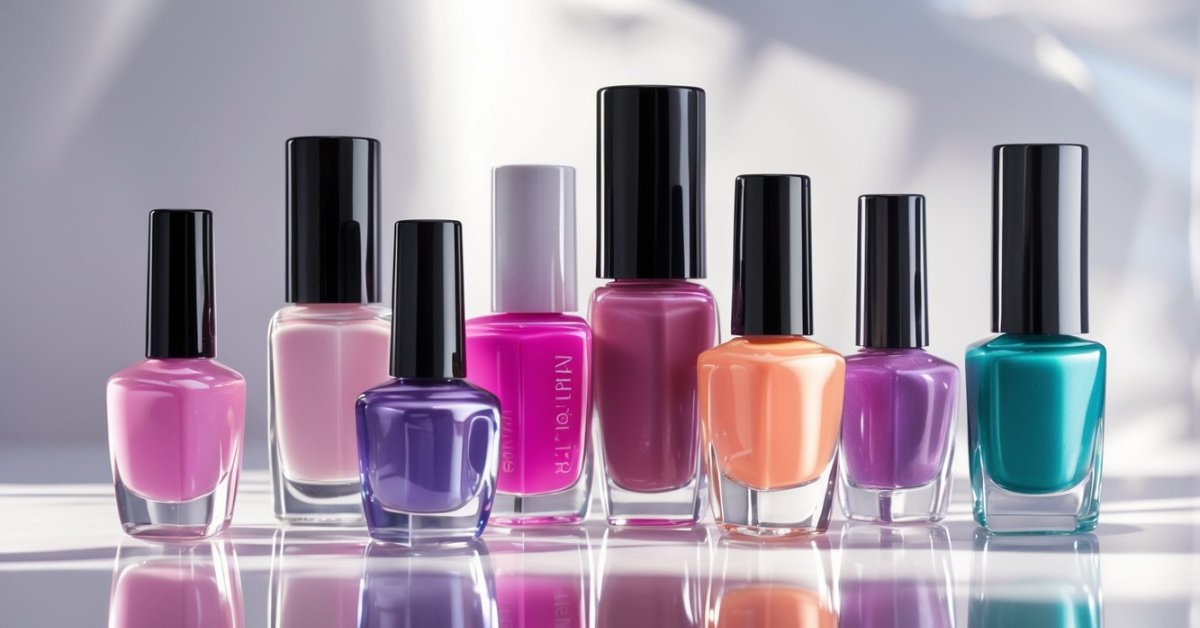
Taking care of your nails goes beyond just picking the right polish color. One of the key steps to a flawless manicure is properly pushing back your cuticles. I’ve learned that having the right cuticle pusher can make all the difference between a salon-worthy look and a frustrating mess.
Over time, I’ve tried out various tools and found some that work like a charm, making the process smooth and gentle on my skin. Whether you’re a beginner or a nail pro, choosing the best cuticle pusher can save you time and keep your nails healthy. Let me share what I’ve discovered to help you get that perfect manicure at home.
Why Choosing the Best Manicure Cuticle Pusher Matters
Selecting the right cuticle pusher plays a key role in maintaining healthy nails and achieving a polished look. I’ve seen countless clients damage their cuticles by using cheap or poorly designed tools. A quality cuticle pusher avoids tearing or pushing too harshly, which prevents infection and keeps skin smooth.
Investing in a durable, well-crafted pusher made from materials like stainless steel or high-grade plastic ensures precise control. This precision helps gently nudge back cuticles without scraping the nail plate, preserving the natural nail’s strength.
Using the best cuticle pusher also saves time. Well-designed ergonomics and balanced weight make the process quicker, reducing discomfort and improving results. For nail polish enthusiasts, healthy cuticles create a clean canvas, preventing polish from lifting or chipping early.
If you want to protect your nail bed’s health and extend the beauty of your manicure, starting with the right cuticle pusher is essential to your routine.
Types of Cuticle Pushers
Knowing the types of cuticle pushers helps pick the right tool for your manicure routine. Each type offers unique benefits that affect how gently and effectively cuticles get pushed back.
Metal Cuticle Pushers
Metal pushers, usually made from stainless steel, offer durability and precision. I rely on double-ended metal pushers with one flat edge to gently lift cuticles and a pointed tip to clean under nails. These sturdy tools provide excellent control, which is essential to avoid damaging the delicate cuticle skin or nail plate. Their smooth surface resists bacteria buildup, making them hygienic when sterilized properly.
Wood and Orange Stick Pushers
Wood pushers, often called orange sticks, feature a pointed tip and flat edge carved from soft wood. I recommend these for sensitive cuticles or beginners because they are less likely to cause injury. Disposable and inexpensive, orange sticks allow one-time use, which reduces infection risk. However, wood can splinter if not properly maintained, so replace these regularly for safe use.
Silicone and Rubber Pushers
Silicone and rubber pushers provide a gentle yet effective option for cuticle management. Their flexible tips conform better to nail curves, offering comfort especially for natural and acrylic nails. I prefer these pushers for clients with delicate or dry cuticles since the soft material minimizes irritation. These tools also clean easily and last long without losing shape.
| Cuticle Pusher Type | Material | Key Benefit | Best For | Maintenance |
|---|---|---|---|---|
| Metal | Stainless steel | Precision and durability | Experienced users, sterilization | Regular sterilization |
| Wood (Orange Stick) | Soft wood | Gentle and disposable | Beginners, sensitive skin | Replace after use |
| Silicone/Rubber | Silicone, rubber | Flexible and gentle | Sensitive or acrylic nails | Clean and dry after use |
Choosing the right cuticle pusher enhances nail health while creating a clean surface for polish application. I trust these types based on material strength and skin sensitivity to ensure manicures stay flawless and safe.
Key Features to Look For
Finding the right cuticle pusher means focusing on essential qualities that combine performance, comfort, and safety. These features make a major difference in how your manicure turns out and how healthy your nails stay.
Material Quality and Durability
I’ve trusted stainless steel cuticle pushers in my salon for decades because they last long and resist corrosion from water and disinfectants. A high-quality metal tool feels sturdy in your hand and never bends or chips. For beginners or sensitive skin, I recommend disposable wood pushers; they’re gentle and sanitary, although less durable. Silicone-tipped pushers offer a flexible alternative that works well on delicate or acrylic nails without causing damage.
Ergonomic Design and Grip
Using a pusher that fits comfortably in your hand speeds up your routine and reduces fatigue. I prefer designs with a textured or rubberized grip to prevent slipping, especially when hands are wet or coated with lotion. An ergonomic handle allows precise control, so it’s easier to push cuticles gently without digging into the nail bed or skin, protecting the delicate tissue around nails.
Dual-Ended Versatility
Cuticle pushers often come with two different ends: a flat edge for pushing back cuticles and a pointed or curved end for cleaning under nails or removing stubborn dirt. Having one tool that serves multiple purposes keeps your manicure station neat and makes the process more efficient. In my experience, a well-crafted dual-ended pusher speeds up detailed work while reducing the need for multiple tools that can clutter your kit.
Top Picks for The Best Manicure Cuticle Pushers
Choosing the right cuticle pusher sharpens your manicure routine and protects your nail health. Here are my top picks based on years of experience running a nail salon.
Professional-Grade Options
Metal pushers crafted from stainless steel stand out for precision and durability. Brands like Tweezerman and Benava deliver dual-ended tools with a sharp pusher edge and a rounded scooping end to remove excess cuticle gently but effectively. Their ergonomic designs with textured grips reduce hand fatigue during repeated use. These pushers resist rust and maintain sharp edges, ideal for both salon professionals and enthusiasts mastering at-home manicures.
Budget-Friendly Choices
Wooden orange sticks offer a low-cost, disposable solution perfect for beginners or sensitive skin. Brands like CND and Barielle sell packs of finely pointed sticks that are gentle enough to avoid skin damage while still pushing cuticles back effectively. They also double as nail polish clean-up tools after application. If you try them, discard after each use to maintain hygiene and prevent infections.
Eco-Friendly Alternatives
Silicone and rubber-tip pushers provide a flexible, gentle approach for delicate nails or acrylic overlays. Onyx Professional and Beauty Junkees produce reusable tools made from sustainable materials that clean easily and last through many uses. They avoid harsh scraping, protecting nail plates from damage while keeping cuticles tidy and neat. Choosing these supports eco-conscious beauty routines without sacrificing results.
How to Use a Cuticle Pusher Safely and Effectively
Using a cuticle pusher properly protects your nails and enhances your manicure’s appearance. First, soak your nails in warm water for 5 to 10 minutes to soften the cuticles. Then, dry your hands gently with a towel to avoid slipping while pushing.
Start by holding the pusher at a low angle. Press gently against the base of each nail to push the cuticle back without scraping or gouging the skin. Metal pushers work best with light pressure, while wooden or silicone pushers allow more flexibility, which suits sensitive skin.
Next, use the rounded end of a dual-ended tool to nudge the cuticles into place and clean beneath the nails. Avoid forcing any stubborn cuticle back to prevent damage or infection.
After pushing, moisturize your cuticles with oil or cream to keep them hydrated and maintain their health. Repeating this routine once a week prevents buildup and keeps your nail beds neat for a flawless polish application.
Remember, clean and sanitized tools reduce the risk of infections, so disinfect your cuticle pusher before and after each use. Following these steps ensures your manicure stays beautiful and your nails stay strong.
Maintenance and Cleaning Tips for Longevity
Keeping manicure cuticle pushers in peak condition extends their life and protects nail health. I recommend cleaning metal pushers immediately after each use with warm soapy water to remove residue. Rinsing them thoroughly and drying completely avoids rust and corrosion.
Sterilizing metal tools using alcohol wipes or a UV sanitizer kills germs and prevents infections. Wooden pushers require disposal after one use since they absorb moisture and bacteria. Silicone and rubber pushers clean easily with mild soap and water, and drying them well prevents mildew.
Storing all pushers in a clean, dry container keeps them safe from damage and contamination. Avoid tossing tools into drawers with other items to preserve their shape and hygienic condition.
Sharpening or reshaping metal pushers only by professionals maintains their precision edges without causing injury. Regularly inspecting tools for signs of wear or damage ensures your manicure routine stays safe and effective.
Following these cleaning and maintenance steps guarantees cuticle pushers remain reliable and gentle on skin, supporting the health and beauty of your nails over time.
Conclusion
Choosing the right cuticle pusher has made a big difference in my manicure routine. It’s not just about looks—it’s about keeping my nails healthy and strong. Whether you prefer metal, wood, or silicone, finding a tool that feels comfortable and works well for your needs is key.
Taking a little extra time to care for your cuticles properly and maintaining your tools can really pay off. It helps prevent damage and keeps your nails looking their best longer. I hope you find the perfect cuticle pusher that makes your nail care simple and enjoyable.