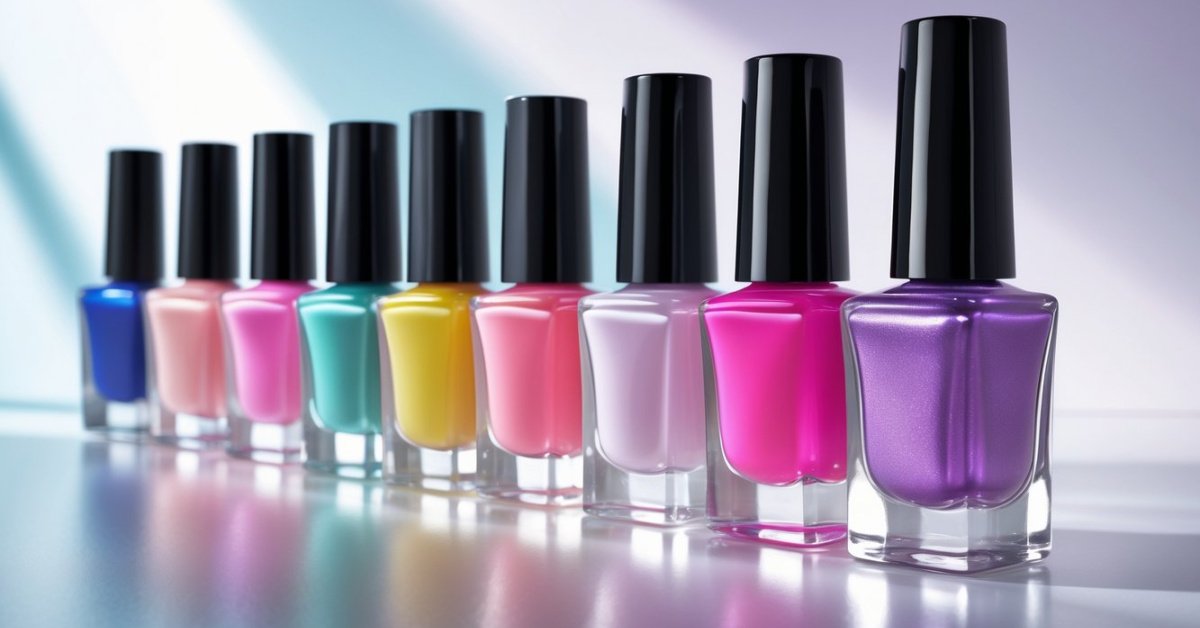
Nail art isn’t just about pretty colors or trendy designs—it’s a form of self-expression that carries deep cultural meaning. Over the years I’ve noticed how different styles reflect traditions, social status, and even personal stories across the globe. It’s fascinating how something as small as decorated nails can tell such rich tales.
From ancient rituals to modern fashion statements nail art connects us to history and identity in unique ways. I’ve always been curious about how these tiny canvases serve as a bridge between cultures and generations. Exploring the cultural significance of nail art reveals more than beauty—it uncovers the stories we wear on our fingertips.
The Origins of Nail Art Across Cultures
Nail art has a rich history rooted in cultures worldwide. Its origins reveal fascinating connections between beauty, tradition, and identity.
Ancient Practices and Symbolism
Ancient civilizations used nail decoration to express status and meaning. In Egypt, for example, people applied henna or colored oils to their nails as early as 5000 BCE to signify social rank. Cleopatra favored deep reds, symbolizing power and beauty. In India, henna designs on nails and hands played a role in weddings and religious ceremonies, representing joy and prosperity. Chinese culture introduced nail color to indicate class during the Ming Dynasty, where emperors wore long nails painted with golden hues to display nobility. Each practice linked nail appearance to personal and cultural symbolism.
Regional Variations in Nail Decoration
Different regions developed unique nail art styles based on materials, colors, and cultural values. In Japan, the Edo period saw geishas painting nails with delicate designs using crushed gems and gold leaf, emphasizing elegance and refinement. African tribes used natural pigments like indigo and ochre for bold, meaningful nail accents tied to tribal identity and rites of passage. Mexico’s indigenous communities combined bright colors with intricate patterns in nail art to celebrate festivals and folklore. These regional variations reflect how local environment and cultural priorities shape the way nail art evolves.
Nail Art as a Form of Self-Expression
Nail art serves as a powerful tool for self-expression, blending creativity with personal identity. It gives people a way to showcase their style, moods, and cultural heritage through color and design.
Personal Identity and Style
I’ve seen countless clients choose nail polish and designs that speak directly to who they are. Bold reds and blacks often signal confidence and strength, while soft pastels or intricate florals express femininity or calm. Some prefer minimalist styles, reflecting a sleek, modern aesthetic. Nail art matches personal style like fashion accessories do—it’s an extension of your personality that you carry with you every day. For those experimenting, nail polish offers endless possibilities to change their look and mood instantly.
Social and Cultural Messages Conveyed
More than beauty, nail art carries social and cultural significance in many communities. I’ve noticed designs inspired by traditional symbols or colors connected to a person’s heritage. Sometimes, choosing particular styles or colors sends a message about belonging, beliefs, or social status. In some cultures, nail appearance plays a vital role during celebrations or rites of passage, marking identity and status visually. Nail art communicates stories and values without words, making it a subtle yet powerful form of cultural expression.
The Impact of Media and Pop Culture on Nail Art Trends
As someone who’s owned a nail salon for decades, I’ve seen firsthand how media and pop culture shape nail art trends. Nail art no longer stays confined to salons; it bursts onto screens and social feeds, influencing millions of people everywhere. This section breaks down how celebrities, influencers, and social media platforms drive the nail art choices many people make today.
Influence of Celebrities and Influencers
Celebrities often set the stage for nail trends that ripple through communities quickly. When a famous actor or singer debuts a bold nail color or an intricate design, it sparks immediate interest. For example, the popularity of bright neon nails soared after several pop stars sported them on tour. Fashion icons like Rihanna or Zendaya constantly reinvent nail styles, blending edgy art with elegance, and nail technicians like me get requests inspired by these looks every day.
Influencers take the spotlight further by demonstrating these trends through tutorials and reviews. Their followers trust their recommendations on nail polish brands, colors, and nail care tips. If a top influencer praises a non-toxic, vegan polish, it creates a surge in demand for that product. This influence blends beauty with consciousness, shaping trends not only visually but also ethically.
The Role of Social Media Platforms
Social media platforms act as massive galleries for nail art inspiration and education. Instagram, TikTok, and Pinterest offer endless streams of photos, videos, and step-by-step guides that demystify complex nail techniques. I’ve noticed that viral hashtags like #nailartchallenge or #summernails motivate both amateurs and professionals to experiment, driving innovation in design.
Platforms also foster a sense of community where nail enthusiasts share their unique styles and cultural nail art traditions. This global exchange brings hidden designs and historic symbols into modern light, enriching the cultural significance of nail art. Moreover, algorithms amplify emerging trends fast, making it crucial for salons like mine to stay updated to meet client expectations.
In my salon, I encourage clients to bring images from social media or celebrity red carpets, blending their personal style with current trends. This approach keeps nail art fresh, vibrant, and deeply connected to contemporary culture while emphasizing health and quality polish choices.
Nail Art and Its Connection to Rituals and Traditions
Nail art often carries deep cultural meaning tied to rituals and traditions. From spiritual practices to celebrations, nails play a unique role in marking significant moments and beliefs.
Religious and Spiritual Significance
Religious and spiritual customs often use nails as symbols of devotion and protection. In some cultures, specific colors or designs hold sacred meaning. For example, red nails represent energy and life in Hindu ceremonies, while in Buddhism, simple, clean nails reflect purity and mindfulness. I’ve seen how nail art featuring symbols like crosses or mandalas serves as daily reminders of faith. These designs connect the wearer to their spirituality without needing rituals beyond their personal care routine.
Celebratory and Ceremonial Uses
Many celebrations highlight elaborate nail art to mark special occasions. Weddings regularly feature detailed nail designs, like henna patterns in Indian matrimony or glitter accents in Western ceremonies. For birthdays, holidays, and cultural festivals, nails become canvases to express joy and tradition. Over the years, I’ve customized nail art inspired by local customs, from floral designs at spring festivals to bold geometric patterns for milestone birthdays. These nails do more than decorate; they honor the moment and bring people together through shared beauty and meaning.
The Evolution of Nail Art in Modern Society
Nail art keeps evolving, blending tradition with fresh trends. As someone who’s owned a nail salon for decades, I see how technology and creativity shape this dynamic form of beauty.
Technological Advances and New Techniques
Advances in nail technology transformed how we create art on nails. UV and LED lamps enable gel polishes to cure quickly, making manicures last up to two weeks without chips. Airbrush machines produce precise gradients and intricate designs that would take hours by hand. Magnetic polishes create unique patterns with simple magnets, adding a dynamic effect. Nail stamping plates allow for complex images like florals or geometric shapes to be transferred instantly. Dip powder systems offer a durable, lightweight alternative to traditional polish. Innovations like these speed up application and expand artistic possibilities, letting clients express themselves while keeping nails healthy and strong.
Nail Art as a Business and Art Form
Over the years, nail art transformed from a salon service to a respected art form and thriving business. I witnessed local nail salons evolve into creative studios where skilled technicians are artists. Providing custom designs requires mastering color theory, fine motor skills, and client consultation. Nail art shapes fashion trends and social identity, making it essential for my salon to stay ahead of styles and invest in quality products and training. Social media boosted the business by showcasing unique designs to a global audience, sparking new trends and increasing demand. For me, the blend of creativity, professionalism, and care makes nail art an empowering business and beautiful expression.
Conclusion
Nail art is so much more than just a beauty trend—it’s a vibrant language that speaks volumes about who we are and where we come from. I love how it connects the past with the present, blending cultural stories with personal creativity.
Every design carries meaning, whether it’s rooted in tradition or inspired by today’s trends. For me, nail art is a powerful way to celebrate identity and express individuality in a way that’s both fun and meaningful.
It’s amazing to see how this art form continues to evolve while honoring its rich cultural roots. Nail art truly is a small canvas with a big story to tell.