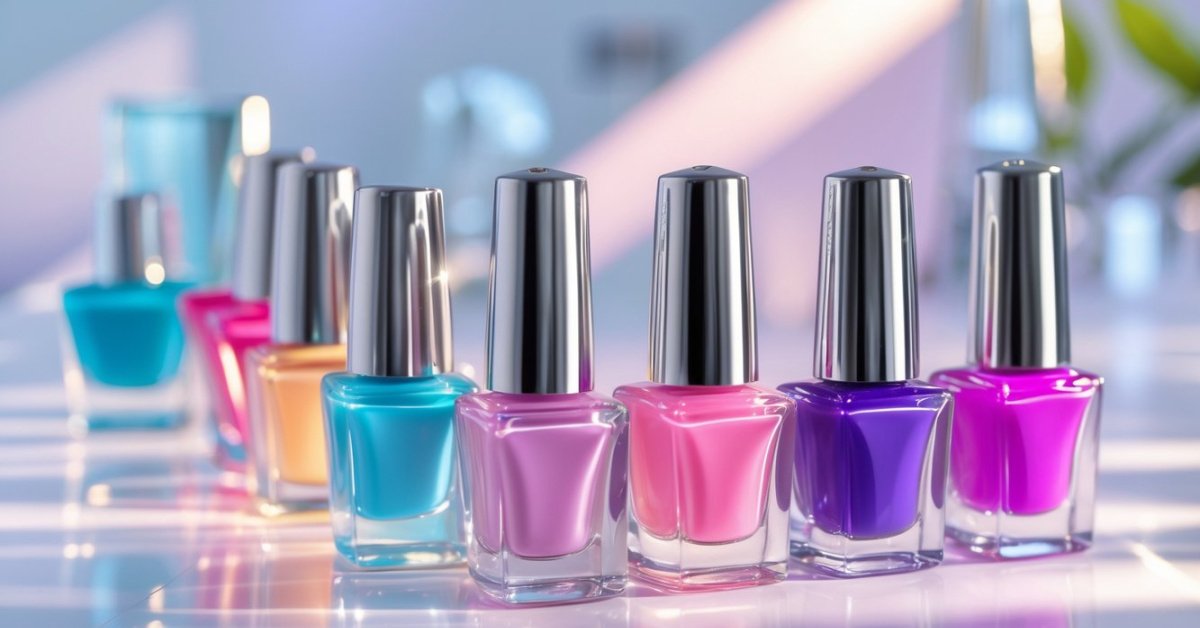
Nail art has come a long way from simple polished nails to intricate designs that express personality and creativity. I’ve always been fascinated by how something as small as a nail can become a canvas for self-expression. It’s amazing to see how trends have shifted and techniques have evolved over the years.
From ancient times to modern-day salons, nail art reflects culture, fashion, and even technology. Whether you’re a fan of classic elegance or bold, experimental looks, there’s a story behind every style. Join me as I explore how nail art has transformed and why it continues to captivate so many people around the world.
The Origins of Nail Art
Nail art began as a symbol of beauty and status long before modern nail polish became popular. Understanding its roots helps me appreciate how far nail design has come.
Early Cultural Influences
Ancient civilizations like Egypt, China, and Mesopotamia used natural pigments on nails to convey social rank and beauty ideals. Egyptian royalty, for example, wore deep red and black nail colors made from henna and crushed insects to symbolize power. In China, the use of gold and silver leaf on nails marked elite status during the Ming dynasty. These early cultures valued nails as a reflection of personality, class, and health, laying the groundwork for nail art as a form of self-expression.
Traditional Techniques and Materials
Long before synthetic polishes existed, people crafted nail colors from natural ingredients like beeswax, egg whites, and plant dyes. I find it fascinating how henna served as a popular coloring agent in India and the Middle East, staining nails with rich orange-red hues. In Europe, beauty rituals involved buffing and painting nails with mixtures of oils and minerals for shine and protection. These traditional methods focused on nail health and aesthetics, forming a foundation for today’s advanced formulas and techniques.
The Rise of Modern Nail Art
The rise of modern nail art transformed nails from simple beauty statements into dynamic forms of personal expression and creativity. Innovations in technology and shifting fashion trends shaped the evolution, inviting endless possibilities for nail enthusiasts like me who cherish both health and style.
Technological Advancements
Technological advancements revolutionized the nail industry, introducing new tools and products that expanded design options and improved nail health. UV and LED lamps enabled gel polishes to cure quickly, offering long-lasting finishes without damaging the nails. Airbrush machines and stamping tools allowed precise, intricate designs that were once impossible by hand. Acrylics and dipping powders provided durable nail enhancements while formulas evolved to include nourishing ingredients like vitamins and keratin. These breakthroughs supported my salon’s focus on combining beauty with nail integrity for clients who want flawless, healthy nails.
Popular Trends Through the Decades
Popular trends reflected cultural shifts and innovation, shaping how nail art evolved from decade to decade.
- 1970s: Big, bold colors defined the era, with matte and metallic polishes creating statement looks that matched vibrant fashion styles.
- 1980s: Neon shades and geometric designs captured the decade’s flair, paired with nail decals and early stamping techniques.
- 1990s: Minimalism rose, favoring pastel shades and French manicures, which became a timeless classic I still recommend today for elegance.
- 2000s: Acrylic nails took the spotlight, accompanied by 3D nail art embellishments like rhinestones and charms that fueled creative expression.
- 2010s: Gel polishes grew popular for durability and shine, while nail art saw influences from streetwear and pop culture, including holographic and chrome finishes.
- 2020s: Sustainability and health-conscious products dominate, with plant-based and toxin-free polishes gaining ground. Nail art embraces digital printing and mixed media for innovative, personalized designs.
Each decade’s trends offered lessons that I integrated into my salon, ensuring clients enjoy both cutting-edge style and well-cared-for nails.
Innovative Nail Art Techniques Today
Nail art evolves rapidly, driven by new materials and creative tools. My experience running a nail salon shows how these innovations bring fresh style and lasting beauty to nails.
3D Nail Art and Embellishments
3D nail art adds depth and texture with elements like rhinestones, studs, and tiny sculptures. I apply acrylic or gel forms to create raised designs that customers love for special occasions and daily wear. Embellishments range from crystals to miniature charms, making each manicure truly unique and eye-catching.
Use of Gel and Acrylics
Gel and acrylics changed nail care by combining strength with versatility. I use gel for a glossy, flexible finish that resists chips for up to three weeks. Acrylics provide durability and longer nail extensions, ideal for those wanting dramatic length or elaborate designs. Both techniques protect natural nails while expanding creative options.
Digital and Magnetic Designs
Digital printing machines bring precise, intricate patterns directly onto nails. Clients choose designs from florals to geometric shapes with flawless detail every time. Magnetic polishes create shifting, cat-eye effects using tiny magnetic particles in the formula. These techniques add dynamic, fashion-forward elements without extra tools or long drying times.
The Impact of Social Media on Nail Art
Social media reshaped nail art by turning it into a global visual exchange. It connects creators and enthusiasts, fueling nail polish innovation and sharing trends faster than ever.
Influencer Culture and Viral Trends
Influencers spark new nail art ideas, often setting viral trends overnight. I’ve seen polishes fly off my salon shelves just because a top nail artist featured them on Instagram. These personalities push boundaries with bold colors, textures, and techniques, inspiring clients to try looks from chrome finishes to negative space designs. Brands respond quickly to influencer-driven demand, releasing limited-edition collections or collaborating directly with creators. This cycle amplifies creativity while keeping nail polish trends fresh and exciting.
Nail Art Communities and Tutorials
Online communities teach nail art to millions, making professional techniques accessible at home. I recommend clients follow step-by-step video tutorials on platforms like YouTube and TikTok, where experts break down complex designs into manageable steps. These communities also promote nail health by sharing advice on polish ingredients and care routines. Through these digital hubs, beginners learn about base coats, curing gel polishes under LED lamps, and safely removing acrylics. This widespread knowledge fosters confident experimentation, encouraging many to see nail polish as both art and a form of self-care.
The Future of Nail Art
The future of nail art promises exciting innovations, blending style with health and sustainability. My experience running a nail salon has shown me how the industry constantly evolves, and these upcoming trends will shape the art and care of nails.
Sustainable and Eco-Friendly Practices
Sustainable nail art focuses on reducing environmental impact while keeping nails healthy and beautiful. Cruelty-free and vegan polishes with natural ingredients eliminate harmful chemicals like toluene and formaldehyde, which damage nails and skin. Brands now use biodegradable packaging and refillable bottles, cutting down on plastic waste. Waterless or low-VOC (volatile organic compounds) polish formulas also protect air quality and reduce toxins. Using plant-based removers and avoiding harsh acetone keeps nails strong and vibrant. Eco-friendly salons recycle tools and offer professional tips encouraging clients to care for their nails with gentle, natural products.
Emerging Technologies and Trends
Emerging technologies redefine nail art by offering precision, creativity, and durability. Digital nail printers provide ultra-detailed designs that gel or acrylic can’t match, making custom art accessible in seconds. Magnetic polishes create dynamic patterns through metallic pigments, delivering effects like waves and gradients with a simple tool. UV and LED lamps cure gel polish instantly, giving longer-lasting glossy finishes that resist chips. Nail enhancements combining 3D printing and nano-coatings boost strength without sacrificing flexibility or comfort. Trends focusing on nail health integrate probiotic-infused polishes and growth serums designed to nourish nails beneath the polish, merging beauty with care. Future styles balance bold, artistic expression with cutting-edge care, pushing nail art to new creative and healthy heights.
Conclusion
Nail art has truly come a long way, and it’s amazing to see how it continues to evolve. What started as simple expressions of beauty have blossomed into a vibrant form of creativity that connects people worldwide.
I’m excited to keep exploring new trends and techniques, especially those that blend artistry with care for our nails and the planet. Nail art isn’t just about looks—it’s a fun way to express yourself and celebrate individuality every day.