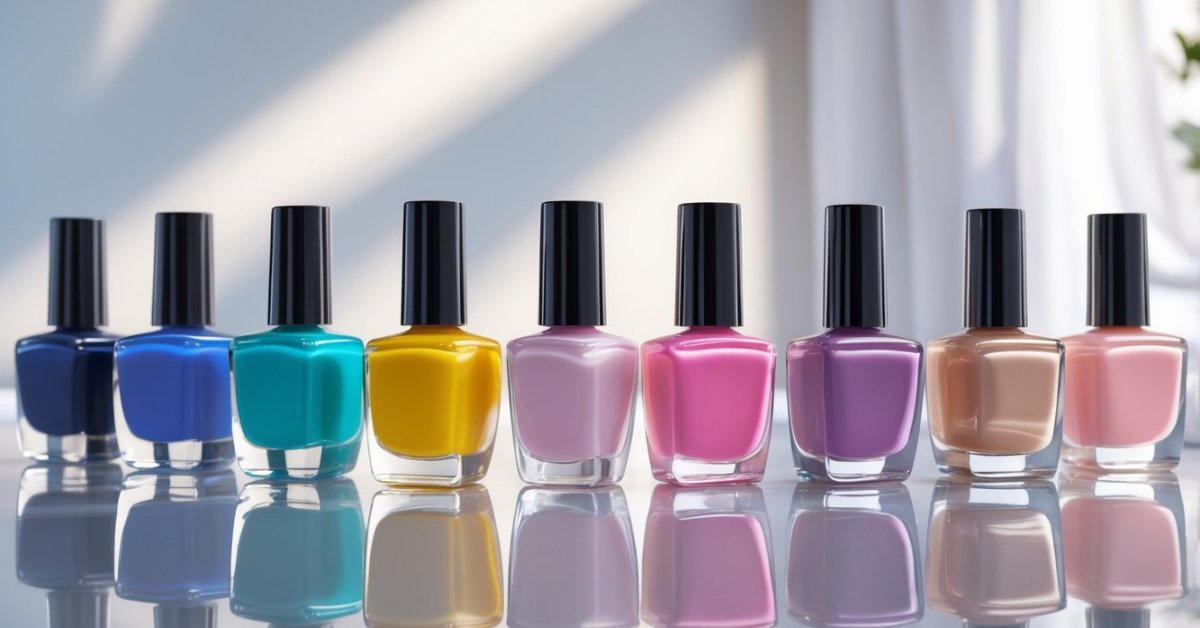
Nail polish has become a staple in beauty routines around the world, but its story goes way beyond just a splash of color. I’ve always been fascinated by how something so simple can carry such a rich history. From ancient civilizations to modern-day fashion, nail polish has evolved in surprising ways.
As I dug into its past I discovered how different cultures used nail color to express status, personality, and even political statements. It’s amazing to see how this tiny bottle has reflected changing trends and attitudes through the ages. Join me as I explore the colorful journey of nail polish and uncover the secrets behind those glossy nails we all love.
Origins of Nail Polish
Nail polish dates back thousands of years, with its roots deeply planted in ancient cultures. Its development reveals how beauty and self-expression have always been vital parts of human identity, especially through nail decoration.
Early Uses in Ancient Civilizations
Ancient Egyptians were among the first to use nail color, mixing natural dyes from henna to stain nails reddish-brown. Henna’s use went beyond aesthetics; it also offered cooling and protective effects. Around 3000 BCE, Chinese nobles applied shades made from ingredients like beeswax, egg whites, and natural pigments. They used gold and silver in their nail polish formulas to signify wealth and power, crafting colors meticulously to match social events or seasons.
Symbolism and Status in Early Cultures
In those ancient societies, nail polish acted as a status symbol. Egyptians reserved darker shades like black and red for royalty and high priests. Similarly, in China, the color and length of nails indicated a person’s rank; longer nails painted metallic gold or silver belonged exclusively to emperors and aristocrats. These traditions clearly showed that nail polish conveyed more than just fashion—it signified social standing and identity. Understanding this enriches how I view nail art today, knowing it carries centuries of meaning beyond the surface.
Evolution Through the Centuries
Nail polish has traveled through time, changing with cultures and trends while keeping its role as a symbol of beauty and status. I’ve seen these shifts firsthand through my years in the nail salon business, where history meets modern fashion daily.
Nail Polish in the Middle Ages
During the Middle Ages, nail care took a back seat to other beauty rituals, but coloring nails remained an exclusive sign of social rank. Nobles used tinted oils or herbal dyes, mainly in muted earth tones, to hint at their wealth without drawing too much attention. Common folks rarely painted their nails, as it was linked to vanity, which conflicted with prevailing religious values. If you focus on this era, it shows how nail polish quietly marked class divisions even when subtlety reigned.
The Influence of the Renaissance Period
The Renaissance sparked a revival in art and self-expression, and nail polish followed suit. The wealthy embraced brighter colors such as reds and golds, using formulas enriched with natural ingredients like egg whites and beeswax. These richer hues symbolized power and creativity, aligning with broader cultural trends that celebrated individuality and human potential. When you consider fashion from this time, it’s clear that nail polish became a more deliberate personal statement, setting the stage for future innovations.
Modern Development of Nail Polish
Nail polish evolved rapidly in the 20th century, transforming from simple dyes to complex chemical formulations that offer durability, safety, and a spectrum of colors. Understanding these advances helps appreciate how nail polish became an essential part of beauty and fashion.
Introduction of Chemical Formulations
Chemical innovation made nail polish more accessible and long-lasting. Early 1900s formulas used nitrocellulose, a flammable film-forming polymer derived from cellulose. This created the glossy finish known today. Later, plasticizers improved flexibility, preventing chipping and cracking during daily wear. Solvents like ethyl acetate allowed quick drying while maintaining smooth application. Around the 1930s, the introduction of synthetic pigments expanded the color palette dramatically, from subtle nudes to vivid reds and blues. Meanwhile, concerns about toxicity led to safer formulas, reducing harmful substances such as toluene and formaldehyde after decades of salon experience exposed their risks.
The Rise of Commercial Nail Polish Brands
Commercial brands revolutionized nail polish availability and style. In 1917, the first mass-produced nail lacquer appeared, thanks to a Hollywood actress who sought a quick-drying product suitable for film sets. By the 1930s, companies like Revlon introduced colored polishes incorporating pigments similar to those in cosmetics, sparking huge consumer interest. Their use of bold reds and unique shades reflected changing fashion trends. The 1970s and 1980s saw brands like OPI and Sally Hansen push quality standards further through durable chip-resistant formulas and extensive color ranges. These brands made nail polish a fashion staple accessible worldwide, supported by professional salons and home users alike, blending health-conscious formulations with beauty trends I’ve seen evolve firsthand in my salon.
Cultural Impact and Trends
Nail polish has played a powerful role in shaping fashion and personal expression. My experience owning a nail salon for decades shows how color and design reflect cultural shifts and individual creativity.
Nail Polish in Fashion and Pop Culture
Nail polish constantly influences and mirrors fashion trends. Celebrities and runway shows often set the tone by showcasing bold, unconventional colors alongside classic shades like reds and nudes. I’ve seen clients request neon hues and metallics right after major fashion events. TV shows and music videos have also popularized specific nail looks that quickly become must-have styles. For instance, the grunge era pushed dark, moody shades into the spotlight, while the 2000s favored glossy pinks and intricate embellishments. Magazines and social media amplify these trends, making nail color a continuously evolving component of personal style.
Innovations in Nail Art and Designs
Nail art innovations have opened endless possibilities in beauty. From simple stripes and polka dots to 3D embellishments and holographic effects, technology and creativity combine to elevate nails into wearable art. I’ve noticed advances like gel and dip powders extend wear time and improve nail health compared to older formulas. Digital printing and stamping also allow precise and intricate patterns quickly, catering to busy lifestyles. Each breakthrough enhances the artistry and durability of nail polish without compromising nail health—a balance I emphasize in my salon. These innovations fuel clients’ desire to experiment, making nails a standout fashion accessory that tells a story.
Conclusion
Nail polish is so much more than just a splash of color on your nails. It’s a fascinating blend of history, culture, and personal expression that’s evolved alongside us. Every bottle tells a story, connecting ancient traditions with modern creativity.
I love how something as simple as nail polish can carry such rich meaning and inspire endless experimentation. Whether you’re into classic reds or bold designs, it’s a way to show a bit of yourself to the world—one brushstroke at a time.