Taking care of your toenails might not be at the top of your daily routine, but it plays a big role in keeping your feet healthy and comfortable. I’ve learned that simple habits can prevent common problems like infections, ingrown nails, and discomfort.
Healthy toenails don’t just look good—they help you stay active and pain-free. I’m excited to share some easy tips that have made a difference for me, so you can step confidently and keep your feet feeling their best.
Importance of Toenail Care for Healthy Feet
Maintaining healthy toenails plays a key role in overall foot health and appearance. As someone who’s owned a nail salon for decades, I’ve seen how neglecting toenail care leads to infections, ingrown nails, and discomfort. Keeping toenails properly trimmed and clean prevents bacteria buildup that often causes fungal infections.
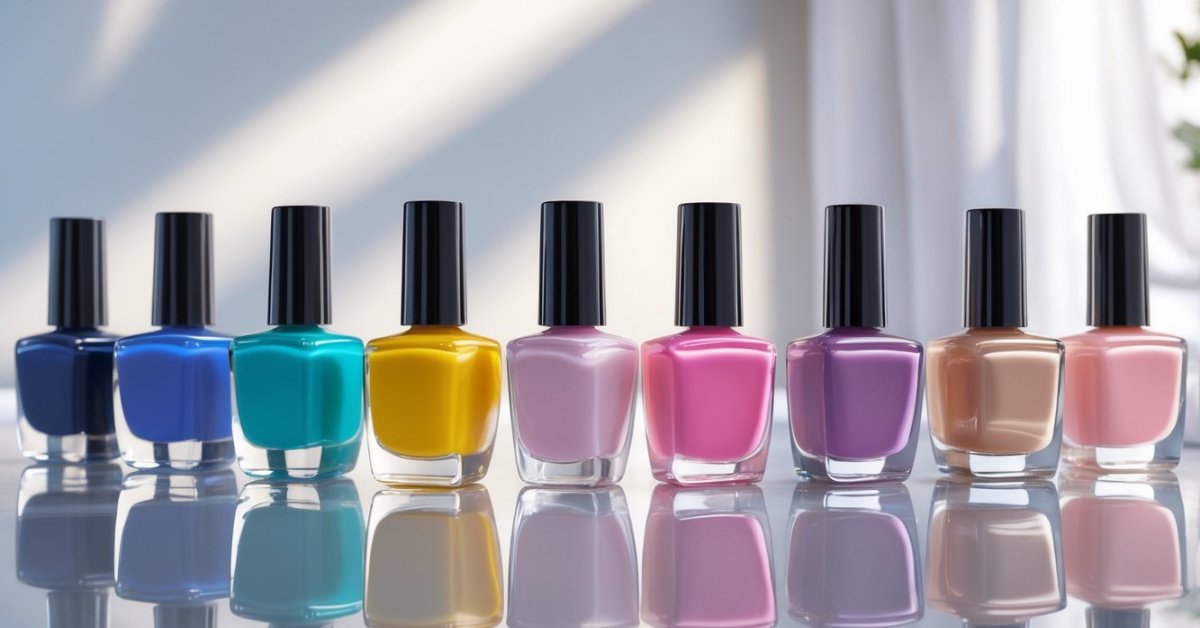
Protecting toenails supports the natural beauty and strength needed for stylish pedicures using nail polish. Healthy nails hold polish better and avoid unsightly peeling or discoloration. Ignoring foot hygiene, however, causes damage that even the best polish can’t fix.
Regular toenail care contributes to comfort and confidence, especially when wearing open-toed shoes or sandals. I always recommend combining care routines with quality nail products to maintain both foot health and fashion appeal.
Common Toenail Problems and Causes
Toenails often reveal signs of underlying health or care habits. Understanding common toenail problems helps maintain healthy feet and beautiful nails.
Toenail Fungus
Toenail fungus appears as white or yellow spots beneath the nail, eventually causing thick, brittle nails. Warm, moist environments—like sweaty shoes—encourage fungal growth. I’ve seen many clients struggle with fungus when they use chipped nail polish without proper removal or reuse old polish bottles. Keeping nails clean and dry, changing socks daily, and using antifungal treatments at the first sign of infection helps control this issue.
Ingrown Toenails
Ingrown toenails occur when nail edges grow into surrounding skin, causing pain, swelling, and sometimes infection. Cutting nails too short or rounding the corners often triggers this problem. I always recommend trimming nails straight across, leaving a slight edge to prevent digging into the skin. Wearing tight shoes or trauma to the toe can also worsen ingrown nails, so choosing comfortable footwear is key.
Nail Discoloration and Thickening
Discoloration ranges from yellowing due to nail polish staining to dark spots indicating bruising or infection. Thickened nails often result from fungus, aging, or repeated injury. I notice clients who apply dark polish daily without base coats often get stains that dull their nails’ natural shine. Using a quality base coat creates a barrier, preventing staining and maintaining nail clarity. When nails thicken, they become hard to paint and can cause discomfort, so professional care or medical advice may be necessary.
| Problem | Causes | Signs | Prevention Tips |
|---|---|---|---|
| Toenail Fungus | Moisture, old polish, tight shoes | White/yellow spots, brittle | Keep nails dry, fresh socks, antifungals |
| Ingrown Toenails | Improper trimming, tight footwear | Pain, swelling, redness | Trim straight, avoid tight shoes |
| Discoloration/Thickening | Staining, injury, aging, fungus | Yellow nails, dark spots | Use base coat, avoid trauma, seek care |
Essential Toenail Care Tips
Maintaining healthy toenails forms the foundation for beautiful, long-lasting nail polish and overall foot comfort. As a nail salon owner with decades of experience, I emphasize these essential tips to keep your toenails in top shape.
Proper Nail Trimming Techniques
Start by trimming toenails straight across to prevent ingrown nails. I use a sharp, clean nail clipper and avoid cutting too short, which causes pain and infections. Filing the edges gently smooths rough spots and stops nails from catching on socks or shoes. I always recommend trimming nails after a shower when they’re softer, making the process easier and cleaner.
Keeping Toenails Clean and Dry
Keeping toenails clean and dry prevents fungal infections that ruin nail polish and foot health. I advise washing feet daily with mild soap, drying thoroughly between toes, and changing socks regularly. Wearing breathable shoes and avoiding walking barefoot in damp public areas cuts risks further. When removing polish, I choose acetone-free removers that clean nails without causing dryness or peeling.
Moisturizing and Foot Hygiene
Moisturizing feet prevents cracking skin and improves nail health, which boosts polish application. I massage cuticle oil into the nail edges daily to keep them hydrated and flexible. Using a light, non-greasy foot cream after washing seals in moisture without leaving residue under nails. Practicing good foot hygiene combined with these steps creates a smooth canvas for flawless nail polish finishes every time.
Choosing the Right Footwear for Toenail Health
Selecting shoes impacts toenail health more than many realize. Tight or ill-fitting footwear increases pressure on nails and toes, raising the risk of ingrown toenails and nail damage. I always recommend choosing shoes with a wide toe box to allow toes plenty of room to move freely.
Breathability matters for both foot comfort and fungal prevention. Shoes made from natural materials like leather or mesh encourage airflow, reducing moisture buildup that can harm nails and skin. Avoid synthetic fabrics that trap sweat and create a warm, damp environment ideal for fungus growth.
Heel height also plays a role. High heels push toes forward, compressing nails against the shoe and increasing trauma risk. Opt for low to moderate heel heights for daily wear, reserving stilettos or platforms for short periods to protect nails from stress.
Padding and arch support contribute to overall foot health and alignment, which indirectly supports toenails by reducing pressure points. Well-cushioned insoles prevent excessive force on nails during walking or standing.
Lastly, switch shoes regularly to let them air out and reduce moisture retention. Wearing the same pair every day keeps sweat trapped, promoting fungal infections and weakening nails.
With the right shoe choices, nail polish lasts longer and toenails stay healthier, creating the perfect foundation for beautiful feet.
When to See a Specialist
I recommend seeing a specialist if you notice persistent changes in your toenails. Signs include thickened, discolored nails or nails that separate from the nail bed. These symptoms often suggest fungal infections that professional treatment handles best.
Seek advice if you experience pain, swelling, or redness around your toenails. Ingrown toenails that cause discomfort usually require medical attention to prevent infection and further complications.
Consult a podiatrist for nails that bleed, ooze, or develop sores. These issues can indicate serious infections or underlying health conditions needing expert care.
Schedule a visit when home care methods fail to improve nail health after several weeks. A specialist can offer advanced treatments and tailored advice.
If you have diabetes or circulatory problems, regular checkups become essential since toenail infections may progress rapidly without proper management.
Conclusion
Taking care of your toenails is a simple way to boost both your comfort and confidence. I’ve found that a little attention goes a long way in preventing common problems and keeping feet looking their best.
Remember, healthy toenails support your overall foot health and make wearing open-toed shoes a joy rather than a worry. Treat your feet kindly—they deserve it!