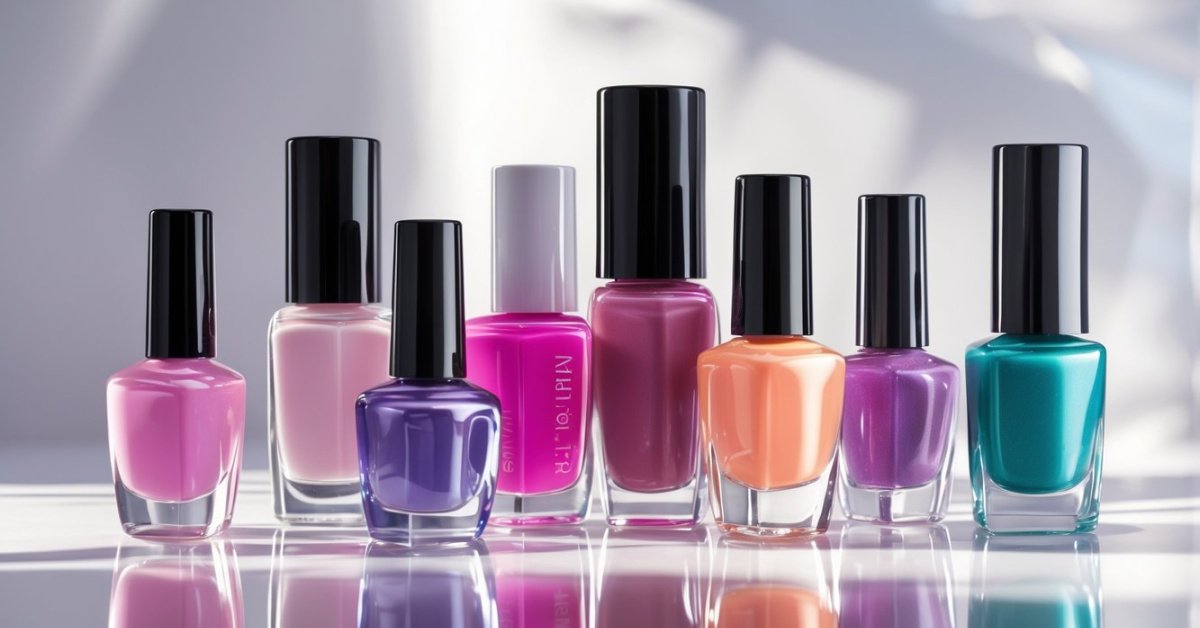
Nail art has become a powerful way for professionals to express creativity and elevate their skills. Whether you’re a seasoned nail technician or just passionate about perfecting your craft, having fresh ideas can make all the difference. I’ve gathered some of the top nail art trends that are sure to impress your clients and keep your designs cutting-edge.
From intricate patterns to bold colors, these ideas blend artistry with professionalism. I’m excited to share styles that not only look stunning but also fit perfectly into a busy salon schedule. Let’s dive into some inspiring nail art concepts that’ll help you stand out and keep your clients coming back for more.
Trending Nail Art Styles for Professionals
Mastering trendy nail art styles keeps your salon ahead and your clients excited. These designs balance creativity with elegance, fitting well in any professional setting.
Minimalist Designs
Minimalist designs focus on clean lines and subtle details. I favor soft nude bases with thin black stripes or tiny dots, perfect for clients who want elegance without excess. Using negative space enhances these looks, keeping nails modern and fresh. Minimalism suits business clients and those who prefer a polished, understated style.
Geometric Patterns
Geometric patterns add sharpness and structure. Triangles, squares, and chevrons in contrasting colors create eye-catching visuals. I combine bold hues like navy and gold or muted tones like blush and white for variety. Precision tools like striping tape make these patterns easy to execute, ensuring crisp shapes that impress. These designs work well for clients who enjoy a mix of creativity and sophistication.
Metallic Accents
Metallic accents bring glamour without overwhelming. Chrome powders, gold leaf, and silver foils elevate simple manicures instantly. I apply metallic touches to tips, cuticles, or as thin stripes to add shine and dimension. These accents pair beautifully with matte or glossy finishes. Metallics suit evening looks and clients keen on adding a luxurious vibe to their nails.
Tools and Materials for Professional Nail Art
Every professional nail artist relies on a curated set of tools and materials to achieve flawless results. Selecting the right items boosts efficiency and ensures the best outcomes for clients seeking stunning manicures.
Essential Brushes and Tools
Quality brushes form the foundation for precision in nail art. I keep a collection of fine detail brushes, striping brushes, and flat shaders. Fine detail brushes with tapered tips allow me to create intricate floral patterns or geometric shapes. Striping brushes make quick work of clean, thin lines perfect for minimalist or metallic accent designs. Flat shaders help blend colors smoothly for gradient effects. Beyond brushes, tools such as dotting tools, cuticle pushers, and nail files maintain nail health and prepare smooth canvases for polish. Investing in brushes that retain their shape and tools made from stainless steel or durable materials guarantees longevity despite repeated use.
Best Polishes and Gels
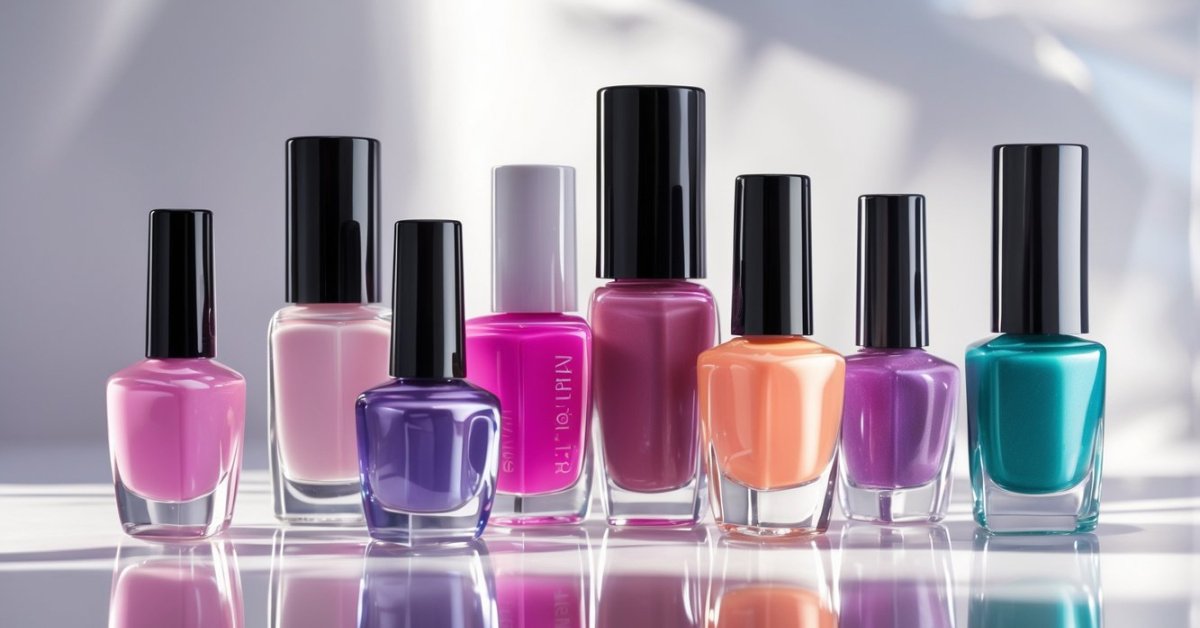
My salon thrives on dependable, high-quality polishes and gels. Gel polishes offer lasting wear and vibrant color depth that clients love, especially when paired with LED or UV curing lamps. I prefer brands known for stability and pigmentation, which reduce layers needed and speed up service times. Traditional polishes also play a role in quick change designs or base layers. When selecting polishes, I choose formulas free from harmful chemicals like DBP, toluene, and formaldehyde to protect nail health. Top coats with quick-dry and anti-chipping properties seal designs perfectly and extend wear.
Embellishments and Accessories
Adding dimension to nail art relies on a thoughtful array of embellishments. Rhinestones, studs, foil strips, and tiny beads instantly elevate a design from simple to show-stopping. I keep a variety of sizes and colors to suit seasons and client preferences. Fine glitter powders and chrome pigments create metallic effects without bulk. Applying these accessories requires precision tweezers and adhesive gels or nail glue for secure placement. My experience shows that combining embellishments sparingly prevents overwhelming the overall look while maintaining elegance and impact.
Step-by-Step Guides to Popular Designs
Mastering popular nail art designs helps professionals deliver consistent and impressive results. These step-by-step guides focus on techniques I’ve refined over decades running my nail salon, blending creativity with precision.
Classic French Manicure with a Twist
Begin with a clean, shaped nail base polished in a soft nude or pale pink. Apply two thin, even coats of base color for opacity. Next, use a fine detail brush dipped in white polish to create the signature smile line at the nail tip. For a modern twist, substitute the white tip with metallic silver or pastel hues. Cure under an LED lamp if using gel polish. Finish with a glossy topcoat to seal and protect the design, ensuring a smooth, long-lasting shine.
Bold Color Blocking Techniques
Start by applying a base coat to protect natural nails. Paint the entire nail with a neutral color like beige or soft gray, curing if using gel. Use striping tape to section off areas for color blocking. Apply contrasting bold colors such as bright red, navy blue, or emerald green within the taped sections. Remove the tape carefully before the polish dries to achieve sharp, clean edges. Complete the look with a no-smudge topcoat to preserve the crispness of the design.
Intricate Floral Patterns
Prime nails with a pastel or nude base color, applying at least two coats for full coverage. Use a fine detail brush or dotting tool to create small flower petals in colors like soft pink, lavender, or white. Arrange petals in clusters or scattered patterns, varying sizes for depth. Add tiny leaves or dots in complementary shades to enhance the floral effect. For durability, finish with a high-quality gel topcoat, curing fully between layers to maintain design integrity.
Tips for Maintaining Professional Nail Art
Keeping professional nail art looking fresh requires attention to detail beyond the initial application. I focus on habits and techniques that extend the life and appearance of nail designs while protecting nail health.
Proper Nail Care Routine
Maintaining clean, hydrated nails supports long-lasting polish and art. I recommend washing hands gently with mild soap to avoid stripping natural oils. Applying cuticle oil daily keeps skin soft and prevents hangnails that damage polish edges. Using a non-acetone remover avoids drying out nails between polish changes. Buffing the nail surface lightly before application enhances polish adhesion, preventing chipping. Wearing gloves during household chores protects nails from harsh chemicals and water exposure, which cause premature polish wear.
Longevity and Touch-Up Techniques
Extending nail art’s life hinges on proper sealing and timely touch-ups. I always apply a high-quality topcoat every two to three days to maintain shine and shield designs from chips. If small chips appear, touching them up immediately with matching polish prevents peeling. Gently filing rough edges stops cracks from spreading. Using gel polish adds durability, especially for clients who want low-maintenance nails. For faster touch-ups, keeping a small polish kit handy helps restore designs between salon visits without starting over.
Conclusion
Nail art is such a fantastic way to express creativity and keep clients excited about their next visit. I’ve found that blending fresh ideas with reliable techniques really makes a difference in standing out as a professional.
Whether you’re drawn to minimalist elegance or bold geometric patterns, there’s always room to experiment and grow your skills. Taking care of your tools and maintaining nail health ensures your work looks flawless longer, which clients truly appreciate.
I hope these insights inspire you to try new designs and keep pushing your artistry to the next level. After all, the best nail art is the one that makes both you and your clients smile.