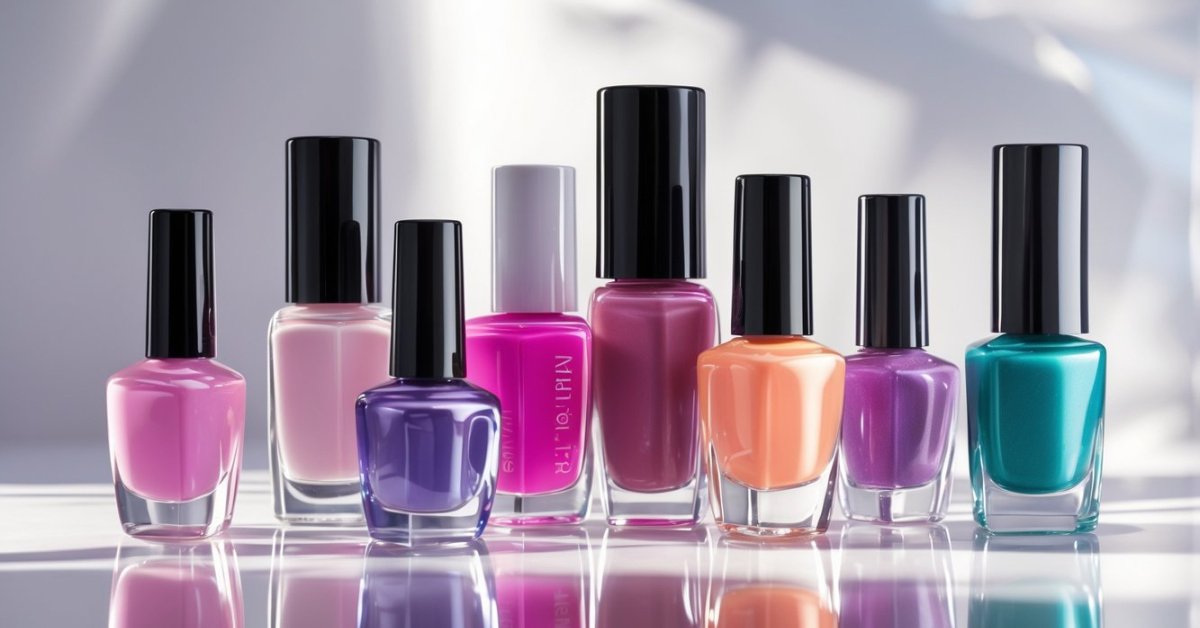
I’ve always loved expressing myself through nail art, but having sensitive skin made it tricky to find designs that wouldn’t cause irritation. If you’re like me, you know how frustrating it can be to want beautiful nails without the redness or discomfort that sometimes comes with certain products.
Luckily, there are plenty of gentle options that let you get creative without compromising your skin’s health. In this article, I’ll share some of the best nail art ideas and tips tailored specifically for sensitive skin. Whether you’re new to nail art or a seasoned pro, you’ll find inspiration that’s both safe and stunning.
Understanding Sensitive Skin and Nail Art
Sensitive skin around the nails requires extra care when choosing nail art and products. I focus on combining beauty with skin-friendly choices to create safe, stunning nails.
What Causes Sensitivity Around the Nails
I’ve seen that sensitivity often comes from repeated exposure to harsh chemicals in nail products. Frequent contact with acetone, formaldehyde, or strong adhesives can lead to inflammation and itching. Dryness worsens sensitivity, especially when skin lacks moisture. Allergic reactions arise when the skin’s immune system reacts to certain ingredients, causing redness or swelling. Damage to the cuticle area also increases vulnerability, making careful nail care crucial.
Common Ingredients to Avoid in Nail Products
I always warn clients to avoid these ingredients when choosing nail polishes or treatments:
- Formaldehyde: A preservative that may trigger irritation and allergies for sensitive skin.
- Toluene: A solvent that can cause dryness and skin discomfort.
- Dibutyl Phthalate (DBP): A plasticizer linked to skin reactions.
- Camphor: Often causes burning or redness on sensitive skin.
- Parabens: Preservatives that may irritate the skin.
- Methacrylates: Present in some gel polishes, causing allergic reactions or dermatitis.
Selecting nail products free of these substances reduces irritation risk and supports skin health during nail art.
Top Nail Art Styles Suitable for Sensitive Skin
Choosing the right nail art means balancing style with skin health. From years in the salon, I’ve seen sensitive skin thrive with the right cuts and colors.
Hypoallergenic Nail Polishes and Their Benefits
Hypoallergenic nail polishes avoid harsh chemicals that trigger skin reactions. Brands formulating without formaldehyde, toluene, and DBP cut down irritation significantly. I recommend polishes labeled “5-free” or “7-free” since they skip common allergens. These formulas dry well and maintain shine without sacrificing safety. Using these ensures your nails look vibrant without compromising sensitive skin.
Simple and Minimalist Designs That Reduce Irritation
Simple styles keep skin exposure to products low, which is key for sensitive skin. I suggest minimalist art like single accents, thin stripes, or small dots created with fewer layers. These designs use less polish and fewer tools, limiting contact with potential irritants. This approach lets your nails stay fashionable while minimizing redness and inflammation. Plus, it’s easier to maintain and removes cleanly without harsh solvents.
Safe Application Techniques for Sensitive Skin
Choosing the right nail art means nothing without knowing how to apply it safely. My decades in the salon show that proper preparation and tools cut down irritation and keep sensitive skin calm.
Preparing Nails to Minimize Reactions
Begin by thoroughly cleaning your nails with a gentle, acetone-free remover. Avoid harsh solvents that strip natural oils and weaken the nail bed. After cleaning, lightly buff the nail surface to create a smooth canvas; this helps polish adhere better and reduces the need for multiple coats, limiting product exposure. Always wash your hands with a fragrance-free, moisturizing soap to remove dust and residue, then pat dry completely. Applying a hypoallergenic base coat forms a protective barrier between your nail and color, reducing direct contact with pigments and chemicals.
Tools and Practices to Ensure Safety
Use only clean, well-maintained tools for every session. Sterilize brushes, cuticle pushers, and files to prevent infection risk, especially since sensitive skin can react badly to bacteria. Opt for high-quality synthetic brushes that hold polish well without shedding fibers. Work in a well-ventilated area to avoid inhaling fumes from nail products. When painting, apply thin coats instead of thick layers to speed drying time and lessen skin exposure. Avoid rushing between layers or curing under lamps for excessive time, as overexposure can inflame sensitive skin. Finally, moisturize cuticles and skin around nails daily with fragrance-free oils to maintain skin barrier health and prevent dryness-related irritation.
Recommended Nail Art Brands for Sensitive Skin
Choosing the right nail art brands matters for sensitive skin. I’ve spent decades helping clients find formulas that blend beauty with comfort. Here’s what works best in my salon.
Popular Hypoallergenic and Non-Toxic Brands
Several brands excel in creating gentle nail polishes free from harmful chemicals.
- Zoya: Known for its 5-free formula, Zoya avoids formaldehyde, toluene, dibutyl phthalate, camphor, and formaldehyde resin. It offers vibrant colors without irritation.
- Ella + Mila: This brand features 7-free, cruelty-free polishes, skipping parabens and methacrylates, making it ideal for sensitive skin.
- Butter London: Butter London maintains a 5-free standard and includes skin-friendly ingredients with a broad shade range.
- Sundays: Sundays uses a 10-free formula and focuses on clean beauty, avoiding nearly all common irritants and toxins.
- Deborah Lippmann: This line blends fashion-forward colors with a lack of harsh chemicals, perfect for nail art fans with sensitivity.
Each brand delivers durability and shine while prioritizing ingredient safety.
How to Choose the Right Brand for You
Start by checking the label for “free-from” claims like 5-free or 7-free. Avoid brands listing known irritants such as formaldehyde or parabens among their ingredients.
Test polishes on a small skin patch when possible, especially if you have a history of reactions. Pick brands that offer nourishing base and top coats to build a protective layer, reducing direct skin contact with polish.
Consider formulas designed for your nail type, whether dry, brittle, or soft. I recommend seeking brands with dermatologist or allergist endorsements for an extra safety boost.
Ultimately, your choice should balance nail health, style preferences, and comfort, letting you enjoy nail art without worry.
Aftercare Tips for Nail Art on Sensitive Skin
Taking care of your nails and the surrounding skin after nail art protects sensitive skin and keeps your manicure looking fresh longer. Proper aftercare reduces irritation and keeps skin healthy.
Moisturizing and Protecting the Skin
Applying moisturizer daily to your cuticles and skin shields them from dryness and irritation. I recommend using fragrance-free, nourishing oils or creams rich in vitamins E and B5. Hydrated skin forms a barrier that limits redness and peeling. Wearing gloves during chores involving water or chemicals protects your skin from harsh exposure. Reapplying moisturizer after washing your hands reinforces this protection. Avoid picking or peeling at polish to prevent wounds and infection, which sensitive skin can’t handle well.
When to Seek Professional Advice
Consulting a dermatologist or nail professional becomes crucial if you notice persistent redness, swelling, or itching around your nails after a manicure. Allergic reactions can worsen without proper care. Visit your nail technician for an allergy test patch prior to trying new products. If reactions occur, stop using all polish and treatments immediately until a diagnosis clarifies the cause. Professional advice ensures you avoid products that aggravate sensitive skin, keeping your nail art experience both beautiful and safe.
Conclusion
Finding nail art that works with sensitive skin doesn’t have to be a struggle. With a little care and the right products, you can enjoy creative, beautiful nails without the irritation.
Remember to listen to your skin and keep things simple when needed. Taking these gentle steps has made a big difference for me, and I hope it helps you feel confident showing off your nails too.