Teaching keeps me on my feet all day and my hands constantly busy. Between grading papers wiping whiteboards and handling classroom supplies my nails often take a beating. I’ve learned that keeping nails healthy isn’t just about looks—it’s about comfort and confidence throughout the school day.
In the classroom environment nails face unique challenges like frequent washing and accidental knocks that can lead to damage or discomfort. Over time neglecting nail care can cause issues that make teaching even tougher. That’s why I’ve gathered some simple practical tips to help teachers protect their nails while managing their busy schedules.
Taking a little time for nail care can make a big difference in how your hands feel and look. If you’re a teacher like me who wants to keep nails strong and presentable without extra hassle this guide is for you.
Importance of Nail Care for Teachers
Maintaining healthy nails in the classroom goes beyond looks. Strong, well-cared-for nails improve daily comfort and boost confidence when standing before students or handling materials.
Common Nail Challenges in the Classroom
Teachers face frequent hand washing, grading papers, and managing supplies, which cause nails to weaken and chip. Constant exposure to chalk dust, glue, and cleaning products dries nails, making them brittle. Repeated tapping on desks and typing accelerates breakage. Without proper care, teachers risk painful hangnails or nail infections that disrupt their busy days.
Impact of Nail Health on Professional Appearance
Healthy nails enhance a polished, professional look important in the classroom setting. Clean, smooth nails without chips or cracks show attention to detail and self-care. Well-maintained nails complement a teacher’s style and can even brighten interactions with students and parents. Neglecting nail health makes nails appear tired and uncared for, detracting from an otherwise sharp appearance.
Practical Nail Care Tips for Teachers
Keeping nails healthy in the classroom demands specific care routines. I draw from decades of salon experience to share nail care tips that fit seamlessly into teachers’ busy days.
Daily Nail Hygiene Routine
Start with consistent cleaning. I recommend washing hands with a gentle, moisturizing soap to avoid drying cuticles and nails. Dry nails thoroughly to prevent fungal growth. I suggest trimming and filing nails every 7 to 10 days, using a fine-grit file to shape edges without causing splits. Gently push back cuticles rather than cutting, as this preserves nail health and prevents infections.
Protecting Nails During Classroom Activities
Classroom work exposes nails to frequent hand washing, paper handling, and occasional harsh materials. I advise wearing protective gloves during cleaning tasks or when using supplies containing chemicals. Applying a clear base coat before nail polish strengthens nails and shields them from damage. If you frequently type or write, keep nails trimmed to ¼ inch to minimize breakage while maintaining style.
Choosing the Right Nail Products
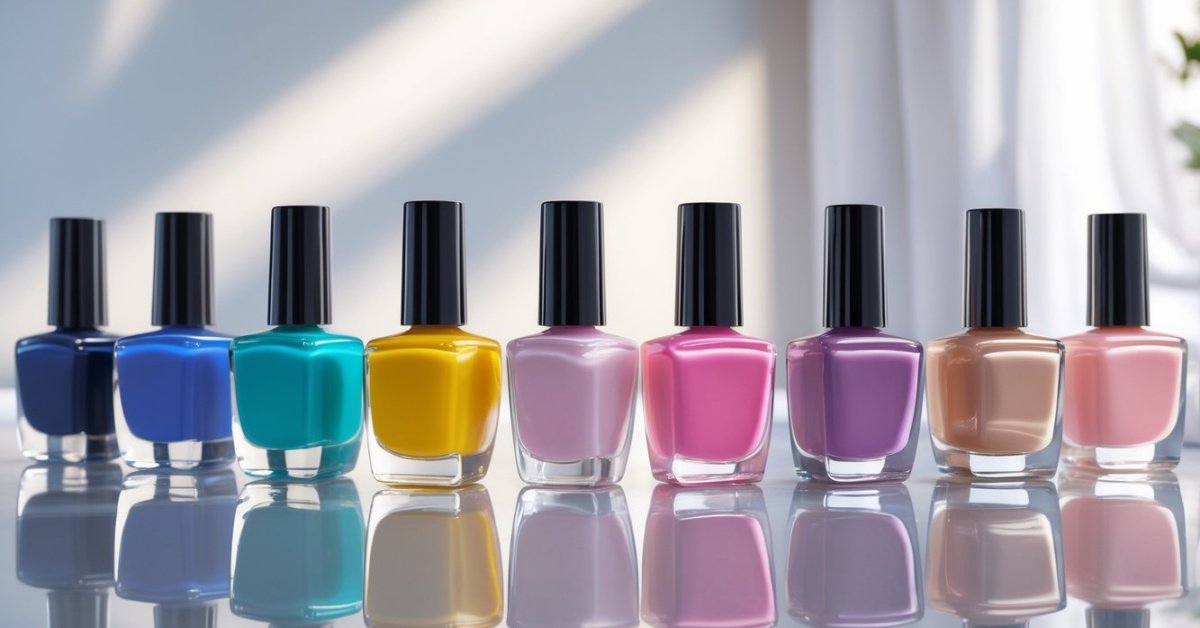
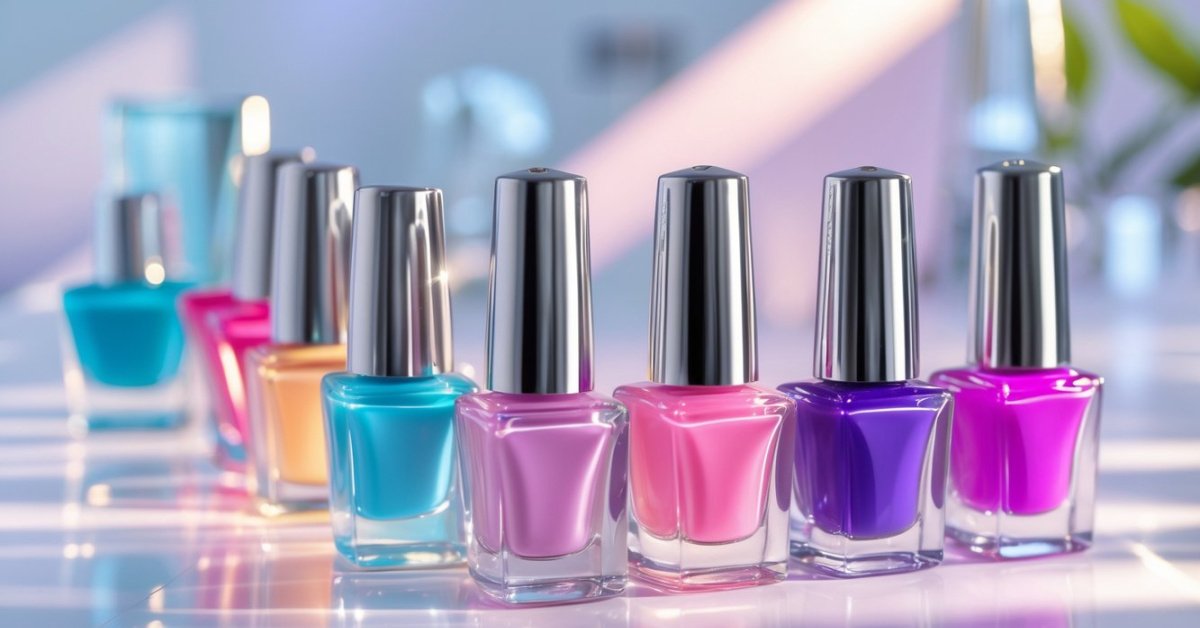
Selecting nail products carefully impacts both beauty and strength. I favor water-based or breathable polishes that reduce chemical exposure and support nail health. Top-quality base and top coats extend polish wear and protect nails from staining and chipping. I recommend nail oils rich in vitamin E applied daily to nourish cuticles and boost hydration. Avoid acetone-based removers frequently, opting for gentler, non-acetone formulas when possible.
Preventing Nail Damage in a Busy Classroom Environment
Keeping nails healthy in a fast-paced classroom takes deliberate care. I’ve seen many teachers struggle with broken nails or dull polish from nonstop activity, so I’ve gathered essential tips to protect your nails while you teach with confidence.
Avoiding Frequent Hand Washing Damage
Teachers wash their hands dozens of times a day, which strips nails of natural oils and dries out skin. I recommend using a gentle, moisturizing hand soap to lessen this effect. After washing, apply a nourishing hand cream or cuticle oil immediately to lock in moisture. A thin layer of clear strengthening base coat helps shield nails from water exposure and prevents polish from chipping. Avoid harsh sanitizers when possible, as alcohol-based products weaken the nail plate quickly.
Managing Nail Biting and Stress-Related Habits
Stress in a busy classroom often leads to biting nails or picking cuticles, which damages nail beds and disrupts polish. To keep this habit under control, I suggest keeping nails polished with colors you love—once nails look great, biting feels less appealing. I also recommend regular cuticle oil application to soothe nerves and maintain softness. If stress triggers these habits, try breathing exercises or a small fidget tool to keep your hands occupied without harm. Stronger nails resist damage better, so monthly strengthening treatments in my salon make a real difference for stressed teachers.
Nail-Friendly Lifestyle Habits for Teachers
Keeping nails healthy relies on more than occasional care. I’ve found that a lifestyle focused on nutrition, hydration, and proper nail conditioning creates a solid foundation. This approach protects nails in demanding environments like classrooms, where frequent hand use and cleaning can cause damage.
Nutrition and Hydration for Strong Nails
Nutrition plays a crucial role in nail health. I recommend a diet rich in biotin, vitamin E, zinc, and omega-3 fatty acids—all vital for strong, flexible nails. Foods like eggs, almonds, spinach, and salmon supply these nutrients effectively. Hydration also supports nail integrity by keeping them flexible and preventing brittleness. Drinking at least 64 ounces of water daily helps maintain moisture not only for your skin but also your nails. In my salon, clients who combine vitamins with proper hydration report noticeably stronger nails in weeks.
Hand Exercises and Moisturizing Techniques
Daily hand exercises keep the nail beds healthy and encourage circulation, which I emphasize for all my clients. Simple stretches and finger flexing improve blood flow, supporting nail growth and resilience. Complement these exercises with consistent moisturizing. I recommend applying a rich cuticle oil or cream multiple times daily—especially after handwashing—to lock in moisture. For teachers, carrying a travel-sized bottle of vitamin E oil or hand cream is practical. Massaging the product into the cuticles and nails enhances absorption and promotes soft, healthy skin around the nails that protects against tearing and peeling.
Conclusion
Taking care of your nails doesn’t have to be another overwhelming task in your busy teaching day. With a few simple habits and a little attention, you can keep your nails healthy and strong without sacrificing time or energy.
I’ve found that protecting my nails not only boosts my confidence but also helps me feel more put-together when I’m in front of my students. It’s a small act of self-care that makes a big difference in how I carry myself throughout the school day.