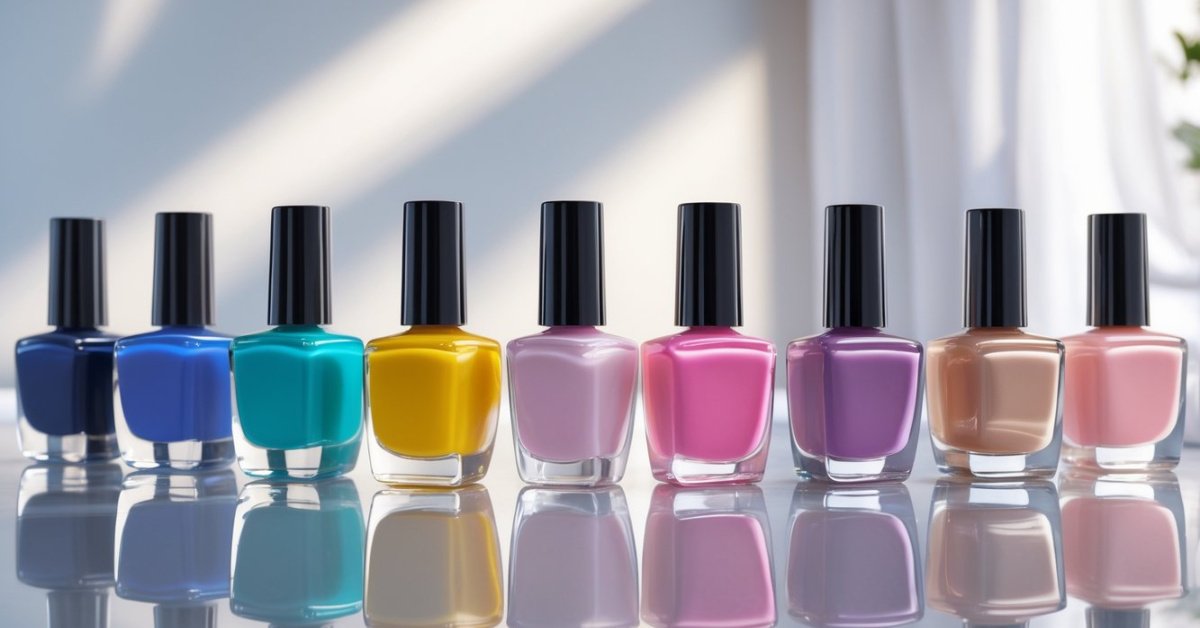
I’ve always loved the way a fresh coat of nail lacquer can instantly brighten my day. But getting that perfect, smooth finish isn’t always as easy as it looks. Whether you’re a beginner or just want to up your nail game, knowing the right steps can make all the difference.
Applying nail lacquer is more than just slapping on color. It’s about prepping your nails, choosing the right technique, and taking your time to avoid streaks or smudges. I’m excited to share some simple tips that have helped me achieve salon-worthy nails right at home.
Understanding Nail Lacquers
Nail lacquers come in many forms, each designed to suit different styles and preferences. Knowing the basics helps you pick the right product and achieve a flawless application every time.
What Are Nail Lacquers?
Nail lacquers are specially formulated coatings that add color and shine to nails. They consist of pigments suspended in a solvent that evaporates when applied. This leaves a smooth, durable finish. Lacquers protect nails from damage and enhance their natural beauty. I’ve seen how the right lacquer brings confidence to anyone who wears it.
Different Types of Nail Lacquers
Different nail lacquers offer unique benefits, depending on their ingredients and finishes:
- Traditional Lacquers: These deliver rich color and glossy finishes but dry relatively slowly. Example brands include OPI and Essie.
- Quick-Dry Lacquers: Formulated to dry in under five minutes, these suit busy days or quick touch-ups.
- Gel Lacquers: Cured under UV or LED lights, gels last up to two weeks without chipping. They require specific removal methods.
- Matte Lacquers: Offer a non-shiny, velvety finish. They add a modern twist to classic colors.
- Strengthening Lacquers: Contain ingredients like keratin or calcium to protect or repair weak nails.
Each type fits different needs. I recommend selecting lacquers that complement your nail health and style goals.
Preparing Your Nails for Application
Ensuring nails are clean and properly shaped lays a perfect foundation for applying nail lacquer. I’ve found that thorough preparation protects nail health and boosts polish longevity.
Cleaning and Shaping Nails
Start by removing old polish with an acetone-free remover to avoid drying your nails. Next, soak your hands in warm water for 3 to 5 minutes to soften cuticles. Gently push back cuticles using a wooden stick; if necessary, trim hangnails with nail scissors. File nails in one direction with a fine-grit file to prevent splitting. Shape nails to your preferred style—square, oval, or round—while keeping edges smooth to avoid snags. Finally, wash hands to remove dust and oils that can interfere with polish adhesion.
Applying a Base Coat
Apply a thin layer of base coat to clean, dry nails before color. Base coats create a protective barrier that prevents staining and improve polish adherence. For nails prone to peeling or brittleness, I recommend a strengthening base coat enriched with calcium or keratin. Let the base coat dry completely, which usually takes around 2 minutes. Skipping this step shortens wear time and increases the risk of chipping.
Step-by-Step Guide on How to Apply Nail Lacquers
Applying nail lacquer involves precision and care to achieve a flawless, long-lasting finish. Over the years of running my nail salon, I’ve refined techniques that guarantee a polished look every time.
Choosing the Right Brush Technique
Select a brush that feels comfortable and covers the nail surface efficiently. Hold the brush horizontally at the nail base, then gently glide it toward the tip. Start with a single stroke down the center, followed by strokes on each side. Avoid flooding the cuticles; if polish pools there, it causes uneven drying and lifting.
Applying the First Coat
Apply a thin, even first coat to build a solid base. Thin layers dry faster and reduce streaks. Begin at the center near the cuticle and sweep toward the nail tip without touching the skin. Finish each nail with minimal brush strokes to prevent bubbles. Let the first coat dry fully—usually 2 to 3 minutes—before moving on.
Applying Additional Coats for Opacity
Add a second and, if needed, a third coat for depth and opacity. Each layer should be thin and even, following the same brush technique. Wait at least 3 minutes between coats to prevent smudging. For vibrant shades, three coats often achieve the best color payoff without thick buildup.
Tips for Even and Smooth Application
Maintain polish consistency: if too thick, add a drop of nail lacquer thinner. Avoid shaking the bottle to prevent bubbles; roll it between your palms instead. Keep nails steady and use good lighting to spot missed areas. If polish seeps onto skin, clean edges immediately with a fine brush dipped in remover. Finish with a quick-dry top coat to seal the color and add shine.
Finishing Touches
Perfect nails require careful finishing touches that protect and enhance your lacquer. These final steps lock in your work and keep nails looking fresh longer.
Applying a Top Coat
Applying a top coat seals the color and adds shine or matte finish depending on your choice. I recommend a thin layer of a quick-dry top coat for durability. Start at the nail’s center near the cuticle, brush gently toward the tip without flooding the edges. Cap the edge by brushing lightly along the tip to prevent chips. If you want extra protection, apply a second thin layer after the first dries for about two minutes. For nails prone to brittleness, choose a strengthening top coat infused with nourishing ingredients.
Drying and Setting Your Nail Lacquer
Drying sets your polish fully and avoids smudges. Use fans or nail dryers designed for lacquers to speed this process when available. Otherwise, air drying in a cool, dry place for at least 10 to 15 minutes works well. Avoid touching anything during this time. To fix minor dents or bubbles after drying begins, gently dip your brush in top coat and smooth the surface. For a long-lasting finish, avoid water and heavy use for about 30 minutes after application. Applying cuticle oil after drying hydrates and maintains nail health while enhancing your manicure’s overall look.
Common Mistakes to Avoid When Applying Nail Lacquers
Mastering nail lacquer application means avoiding common pitfalls that undermine a flawless finish. Over the years running my salon, I’ve seen top mistakes that even seasoned enthusiasts make. Addressing these improves your manicure’s longevity and appearance.
Smudging and Chipping Prevention
Smudging happens most often when polish isn’t fully dry between coats. I recommend applying thin layers and waiting 2 to 3 minutes before adding another coat to avoid this issue. Thick coats take longer and are prone to smudges and uneven drying. Chipping often occurs when edges aren’t sealed properly; brushing polish along the free edge of your nail locks in color and prevents premature wear. Applying a high-quality quick-dry top coat every two or three days boosts durability and shine, protecting the lacquer from daily wear and tear.
How to Fix Application Errors
Mistakes like polish on the skin are normal but easy to fix. Use a small brush dipped in nail polish remover for precise cleanup around the cuticles immediately after application, before the polish sets. If the polish pools or bubbles form, gently buff the nail once dry and apply a fresh top coat to smooth the surface. For uneven layers or streaks, light sanding with an ultra fine buffer followed by another thin lacquer coat restores smoothness without stripping the manicure. These fixes keep your nails looking professional between salon visits.
Conclusion
Nail lacquer application is a fun way to express yourself and care for your nails. With a little practice and attention to detail, you can create beautiful, long-lasting manicures right at home. Remember that patience and the right steps make all the difference.
Enjoy the process and don’t be afraid to experiment with colors and finishes. Your nails are a canvas—make them shine your way!