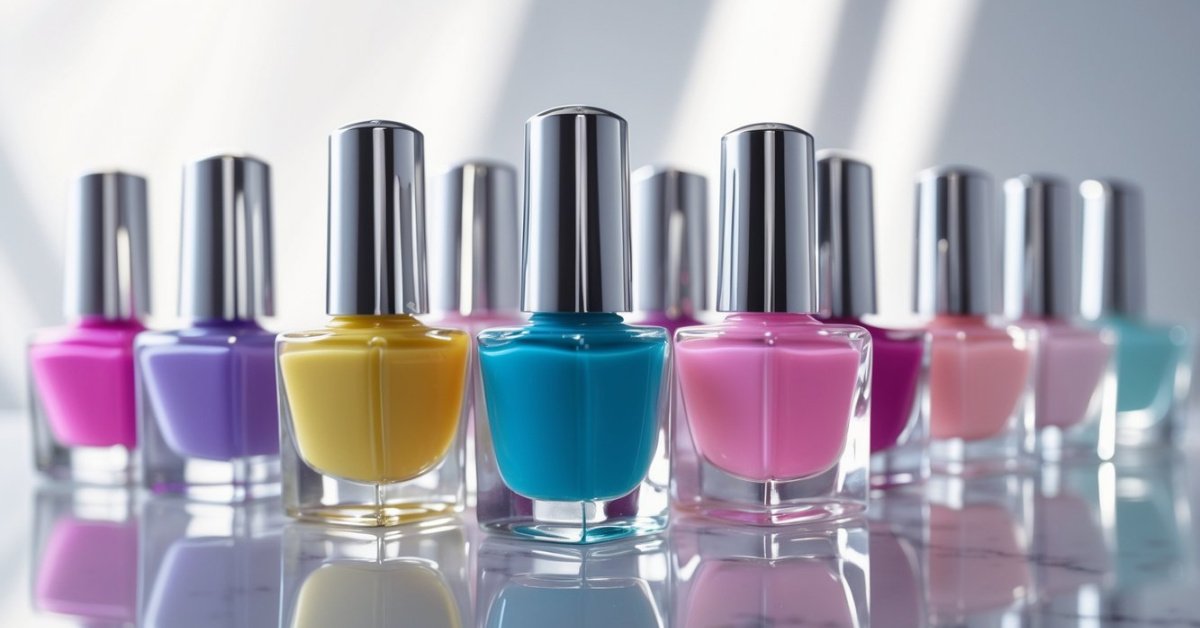
Taking care of your nails can feel like a small act of self-care that makes a big difference. Whether you’re dealing with dryness, brittleness, or just want to keep your nails looking their best, applying the right nail treatments can really boost their health and appearance. I’ve learned that a little know-how goes a long way in making these treatments work effectively.
Understanding Nail Treatments
Nail treatments play a key role in maintaining healthy, beautiful nails. Knowing the different types and their specific benefits helps you choose the best care for your nails.
Types of Nail Treatments
I’ve used various nail treatments in my salon over the years, and each serves a unique purpose. Hydrating oils, like jojoba or vitamin E, penetrate the nail bed to restore moisture. Strengthening treatments often contain keratin or calcium to harden soft, brittle nails. Exfoliating scrubs remove dead skin and improve texture around the cuticles. Some treatments include medicated formulas targeting fungal infections or ridges. You can find these in serums, creams, or even specialized nail masks designed to rejuvenate your nails overnight.
Benefits of Nail Treatments
Applying the right nail treatment supports nail growth, prevents breakage, and improves overall nail appearance. Hydration treatments eliminate dryness and flakiness, making nails look smoother. Strengtheners rebuild weakened nails, reducing peeling or splitting. Regular use of cuticle oils softens the skin, reducing hangnails and promoting healthier nail beds. Some treatments even prepare nails for polish, ensuring longer-lasting wear and vibrant color. Taking time for these treatments lets your nails stay strong and polished, reflecting your personal style confidently.
Preparing Your Nails for Treatment
Proper preparation sets the foundation for any nail treatment to work effectively. I always focus on getting nails clean, shaped, and free of old polish or debris before applying any treatment.
Cleaning and Shaping Nails
First, I soak nails in warm water for 5 minutes to soften cuticles and skin. This step makes shaping easier and more comfortable. Next, I use a gentle nail brush to remove dirt and oils from under and around each nail. For shaping, I prefer a fine-grit nail file to create smooth edges and avoid splitting. I shape nails based on personal style—round, square, or almond—making sure all nails match in shape and length for a polished look.
Removing Old Polish and Debris
Eliminating old polish and residue ensures treatments penetrate the nail surface without barriers. I apply acetone or non-acetone polish remover depending on nail health, using cotton balls or pads. If polish proves stubborn, I let remover sit for a few seconds before wiping it off gently. Then, I inspect nails for any leftover debris or buildup, scraping lightly with a cuticle pusher if necessary. Clean nails absorb oils and serums better, maximizing treatment benefits like hydration and strengthening.
Step-by-Step Guide on How to Apply Nail Treatments
Mastering nail treatments takes patience and the right techniques. I’ve refined these steps over decades in my salon to ensure nails stay healthy, strong, and beautiful.
Applying Base Coat and Treatment Products
Start by applying a thin layer of base coat. It protects the natural nail from staining and creates a smooth surface for treatments. Use a clean brush to cover the entire nail, including edges, for full protection. Next, apply the treatment product, whether it’s a strengthening serum, hydrating oil, or medicated formula. Dab a small amount onto each nail, focusing on the nail plate and cuticle area. Consistent, even coverage ensures the treatment penetrates deeply and works effectively.
Proper Technique for Application
Hold the brush at a 45-degree angle to the nail. Brush from the base near the cuticle outward toward the tip in one smooth stroke. Avoid multiple brush strokes to prevent uneven layers. For cuticles, gently massage oils or serums with your fingertip after applying to the nail. Pay close attention to nails with dryness or brittleness by adding an extra drop of treatment. Maintain a light hand to avoid flooding the cuticle or surrounding skin.
Tips for Drying and Curing Nails
Allow nails to dry naturally for at least 5 minutes, but avoid touching anything during this time to prevent smudges. For gel treatments, use a UV or LED lamp, curing each nail for the recommended 30 to 60 seconds per coat. Avoid rushing this process because incomplete curing weakens the treatment’s effectiveness. After drying, apply a nourishing top coat or oil to seal the treatment and add shine. Regular maintenance enhances nail health and prolongs the treatment benefits.
Common Mistakes to Avoid When Applying Nail Treatments
Avoiding mistakes during application keeps nail treatments effective and nails healthy. I’ve seen many clients damage their nails by unknowingly repeating these errors.
Overusing Products
Applying too much product doesn’t speed up results; it clogs nails and causes peeling or buildup. I recommend a thin, even layer of treatment—just enough to cover the nail surface. Overuse leads to wasted product and may irritate the skin around the nails. Patience beats excess, so let each layer fully absorb before applying another.
Skipping Preparation Steps
Skipping preparation shortchanges the entire process. Nails need to be clean, dry, and shaped well for treatments to penetrate properly. I always stress softening cuticles with warm water and gently removing polish or debris before starting. Skipping these steps traps dirt and oils, undermining the treatment’s benefits and shortening wear time. Proper prep builds a solid foundation for healthy, polished nails every time.
Maintaining Treated Nails for Longer-Lasting Results
Keeping treated nails looking fresh and healthy depends on more than just the initial application. Daily care and the right products extend the life of your treatment and protect your nails from damage.
Post-Treatment Care
Routinely moisturizing nails and cuticles keeps them flexible and prevents peeling. I recommend using cuticle oil twice a day, especially after washing hands or when nails feel dry. Avoid harsh chemicals like acetone-based removers or household cleaners without gloves as these strip natural oils and weaken nails. Gently buff nails once a week to maintain smoothness without thinning the nail plate. Lastly, avoid using nails as tools, since pressure and impact increase the risk of chipping and breakage.
Recommended Products for Maintenance
I rely on a few staple products to support nail treatments between salon visits:
- Cuticle Oils such as jojoba or almond oil promote hydration and improve nail growth.
- Strengthening Serums with keratin and biotin protect nails from brittleness.
- Non-Acetone Removers preserve nail moisture while removing polish gently.
- Protective Top Coats with UV filters extend polish wear and maintain shine.
- Hand Creams rich in vitamins A and E create a barrier against environmental damage.
Using these products consistently maintains the health and beauty of treated nails, enhancing their natural strength and prolonging the polished look.
Conclusion
Taking care of your nails with the right treatments can be a simple yet rewarding part of your self-care routine. When you treat your nails gently and consistently, you’ll notice healthier, stronger nails that look great every day.
Remember, patience and regular maintenance make a big difference. It’s all about giving your nails the attention they deserve and enjoying the little moments of pampering along the way. Your nails will thank you!